Prop 15/3 (Base-Gym) - Welcome to the Elite Four: Format & Metagame Introduction
Update 2024.10.10: This blog has migrated to https://retrotcgs.com/wotc-retro-pokemon/ .
Please find my most up-to-date Prop 15/3 lists in the metagame page and my active lists page. Thanks!
Prop 15/3 - The Pinnacle of Kanto Region Retro Pokemon Trading Card Game (Wizards of the Coast Era)

After getting the itch to play WotC-era Pokemon TCG and reading Jason Klaczynski's blog, I fell down the rabbit hole of (Base-Gym) Prop 15/3. (Note: Jason’s blog is mandatory reading before proceeding!) I've been playing for about 9 months at the point of writing the follow musings (mostly on webcam and on TCGOne Career mode) and believe that I have a sense of the most competitive decks. It's my intent to explore through this blog how a competitive, mass-adopted Prop 15/3 metagame may have developed given enough time (and share those findings for another interested in trying the format)! Before talking tier lists and deck lists, let's start with how the deck-building rules, available Trainers and Pokemon influence game play.
While Pokemon decks are
always defined by their mix of trainers and 'Mons, Prop 15/3's restriction to
15 trainers and maximum copy of 3 non-Basic-Energy cards per deck puts heavy emphasis on each Trainer in a deck: the opportunity cost
of playing one is always not playing another.
Viable decks are defined
by hitting a basic level of consistency to execute their gameplay, primarily
defined by Trainers included and then supplemented by the Pokemon included. From
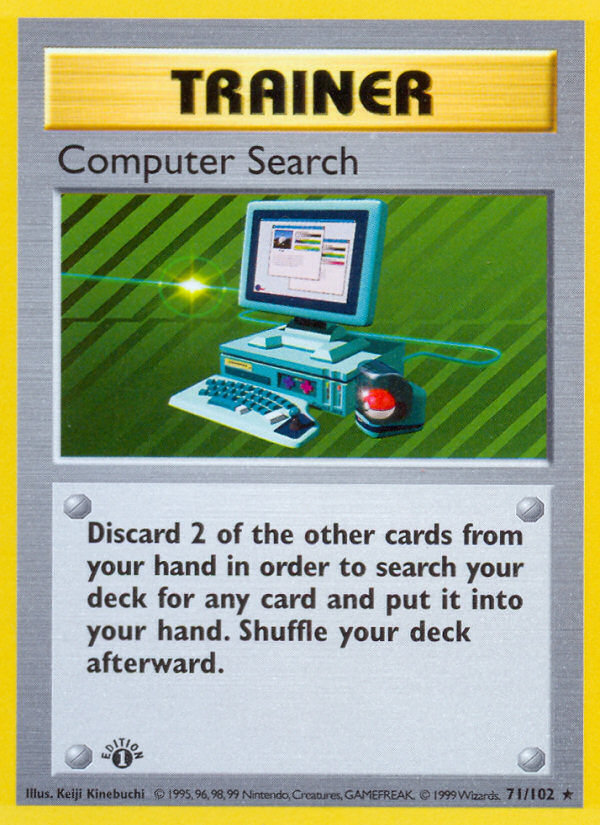
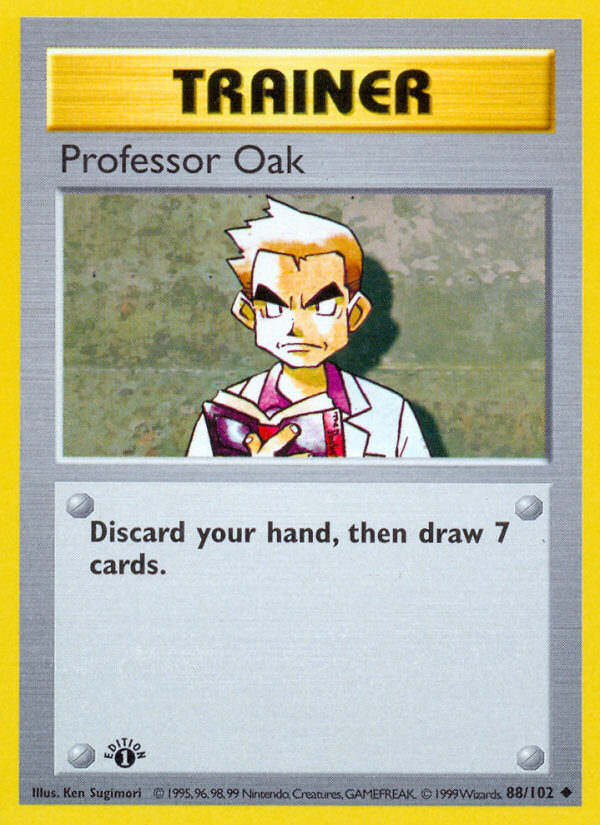
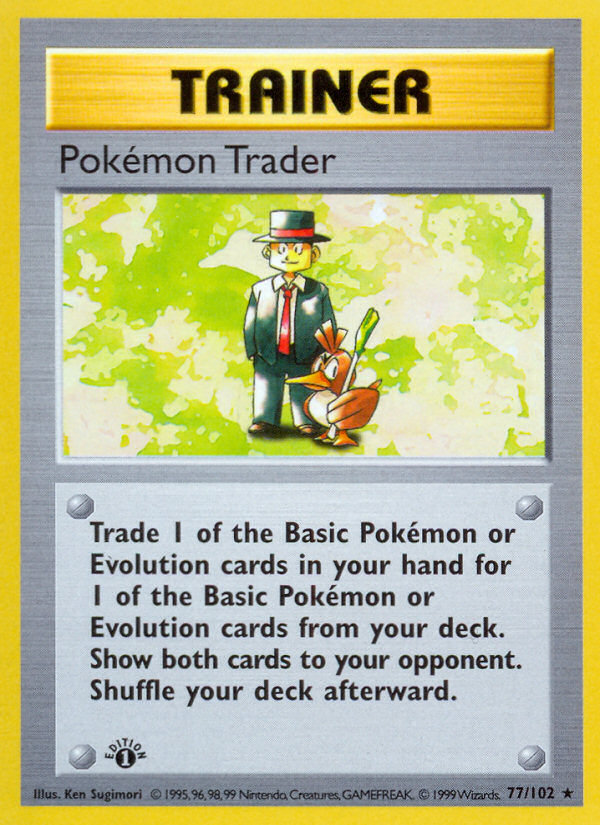
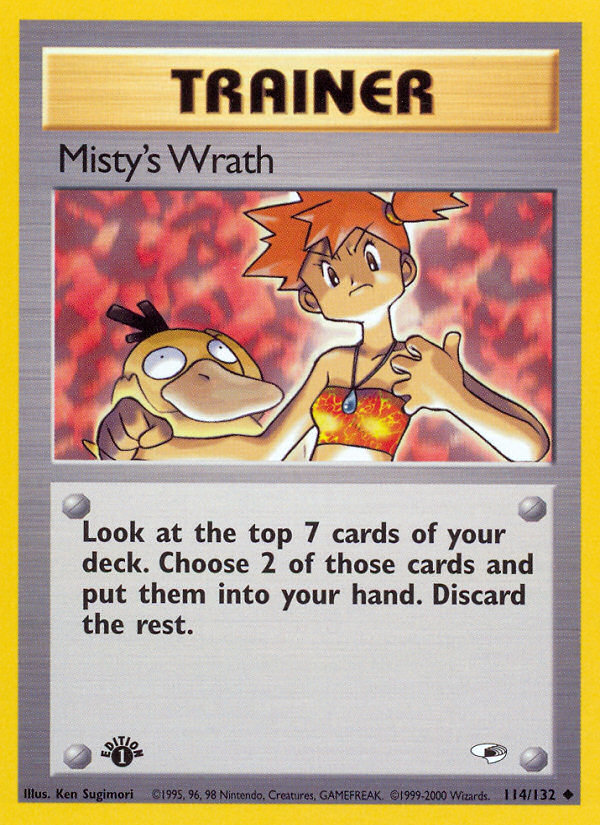
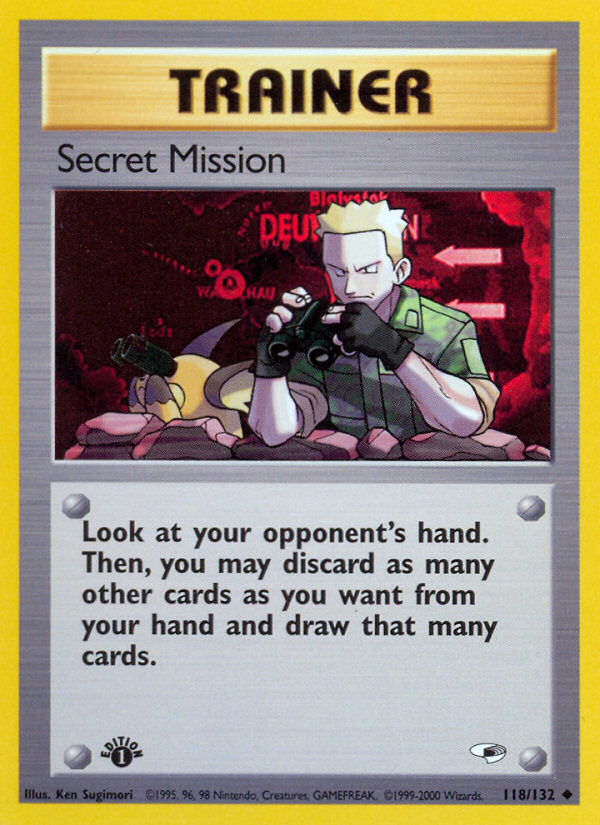
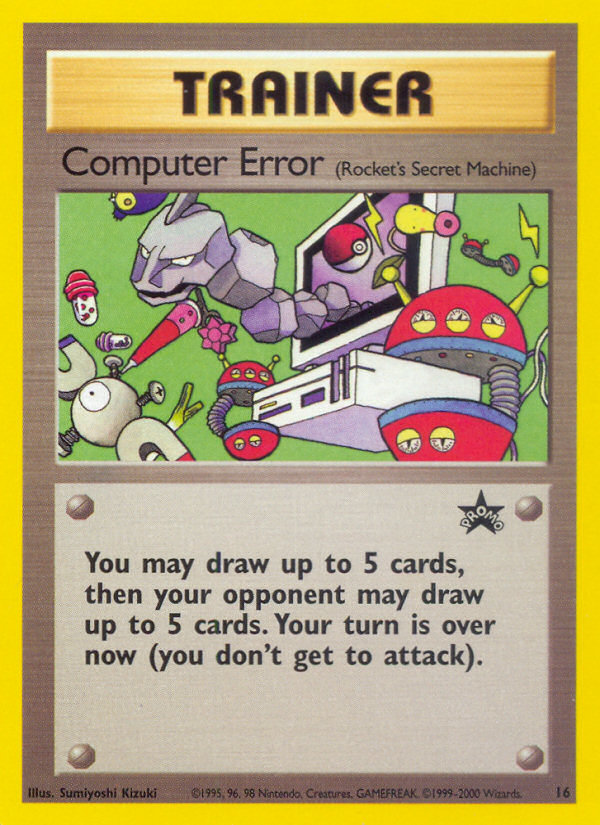
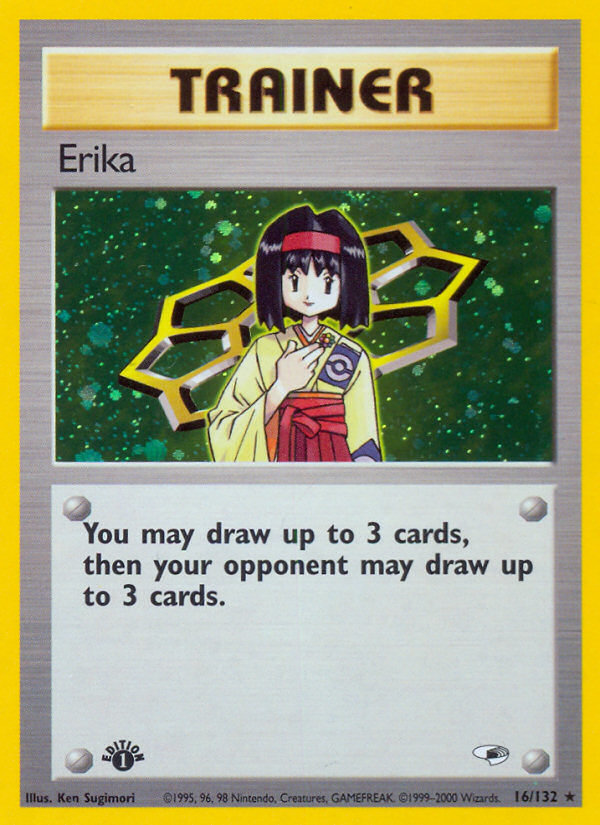
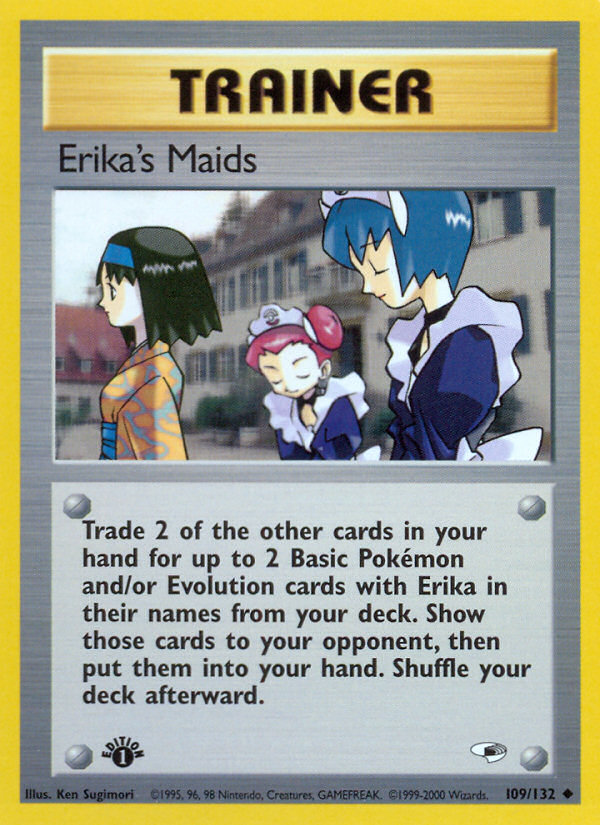
this perspective, Computer Search, Professor Oak, Pokemon Trader and (to a
lesser extent) Misty's Wrath, Secret Plan, Computer Error, Erika, Erika’s
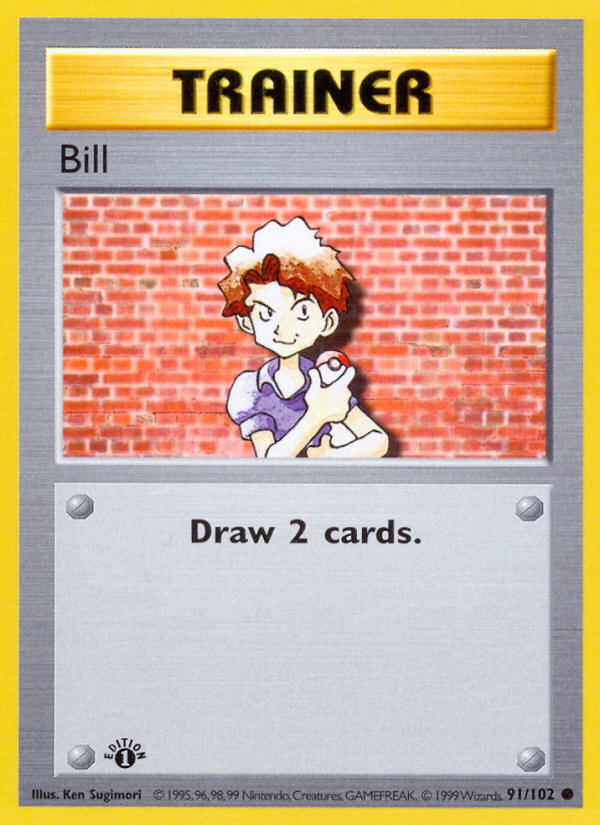
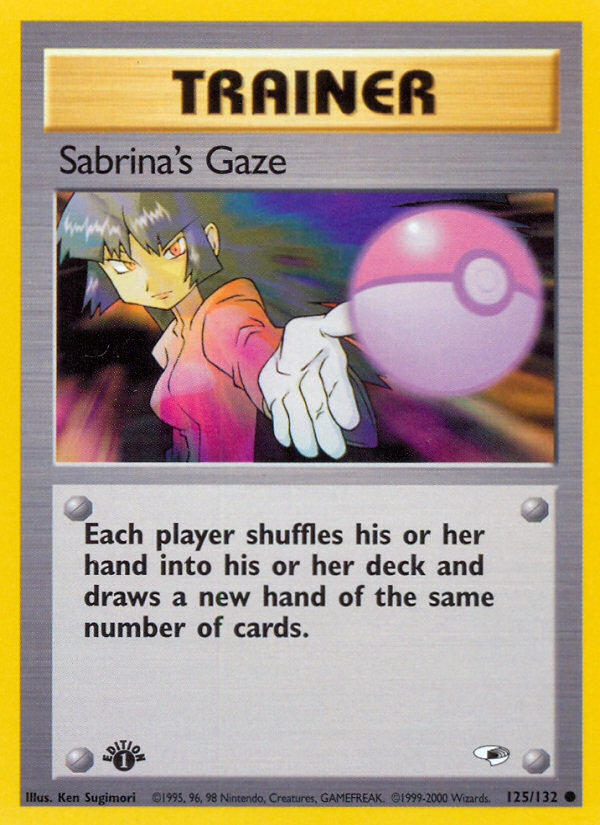
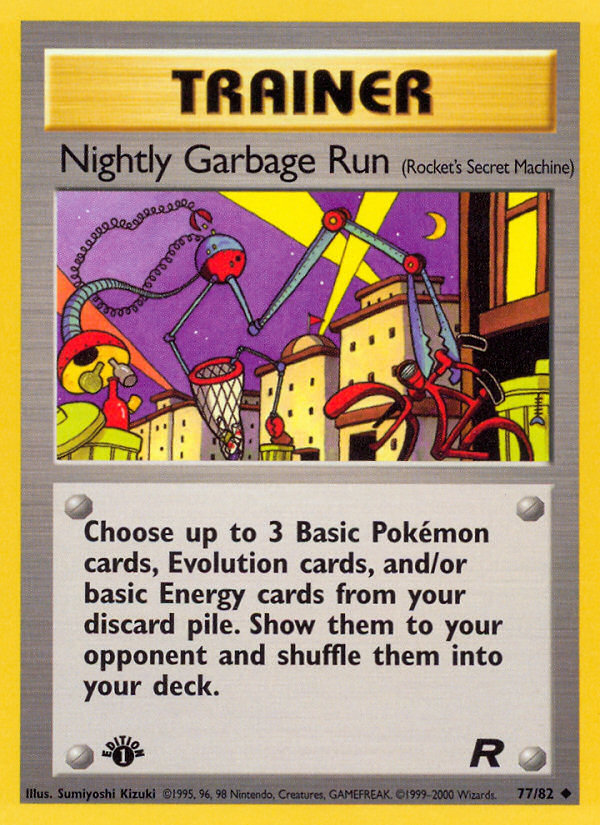
Maids, Bill, Sabrina's Gaze and/or Nightly Garbage Run are the glue that is
required to hold many decks together.
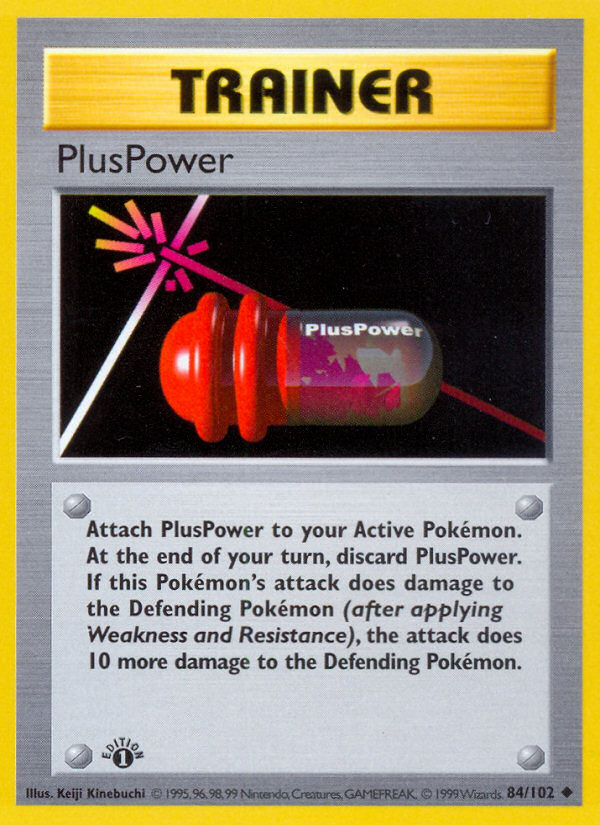
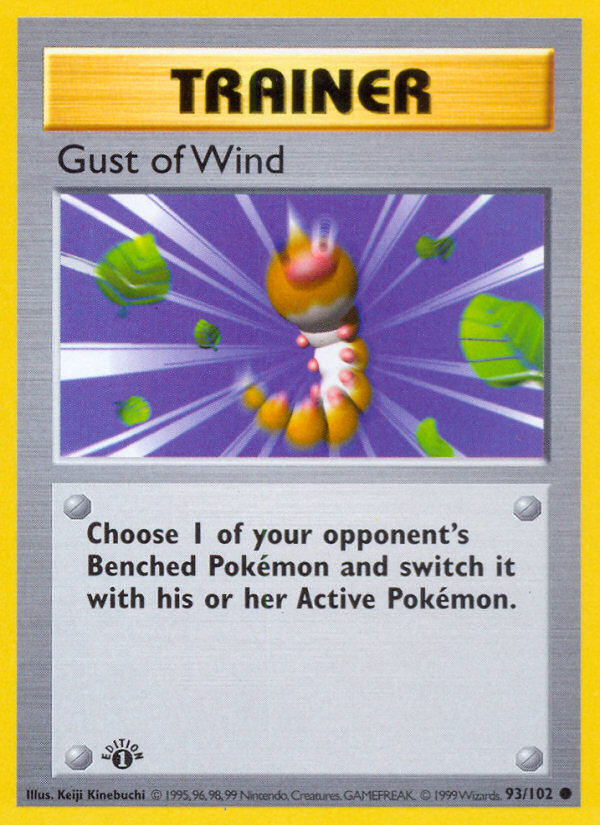
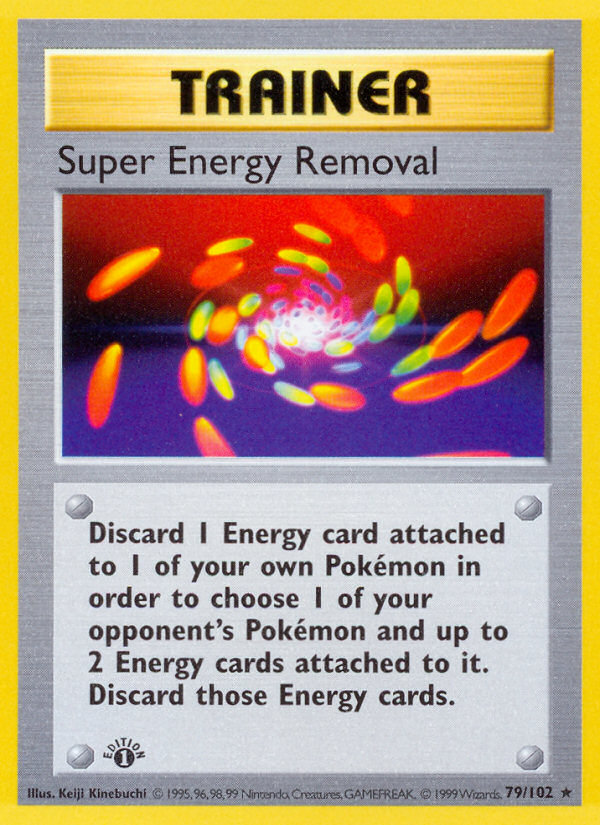
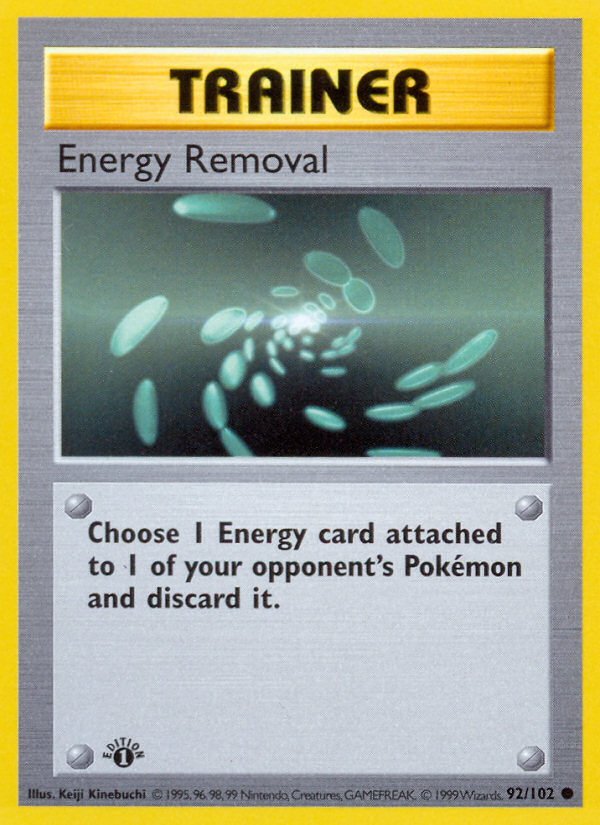
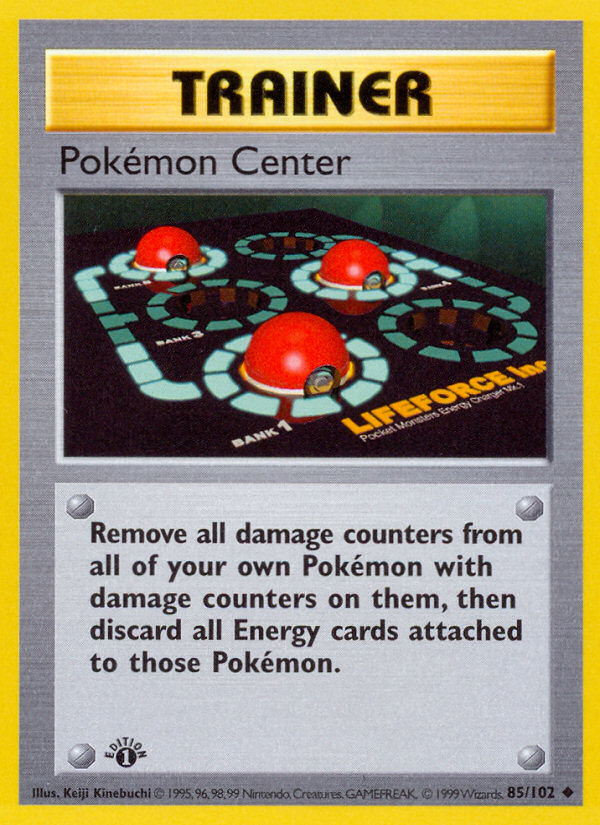
On the other hand, PlusPower, Gust of Wind, Super Energy Removal, Energy Removal, Pokemon Center, Scoop Up, Chaos Gym, Item Finder and Lass are among the strongest disruptive Trainers to be included over consistency-boosting Trainers. Decks that can time playing disruptive Trainers for maximum efficacy will win games that otherwise seemed even or unwinnable.

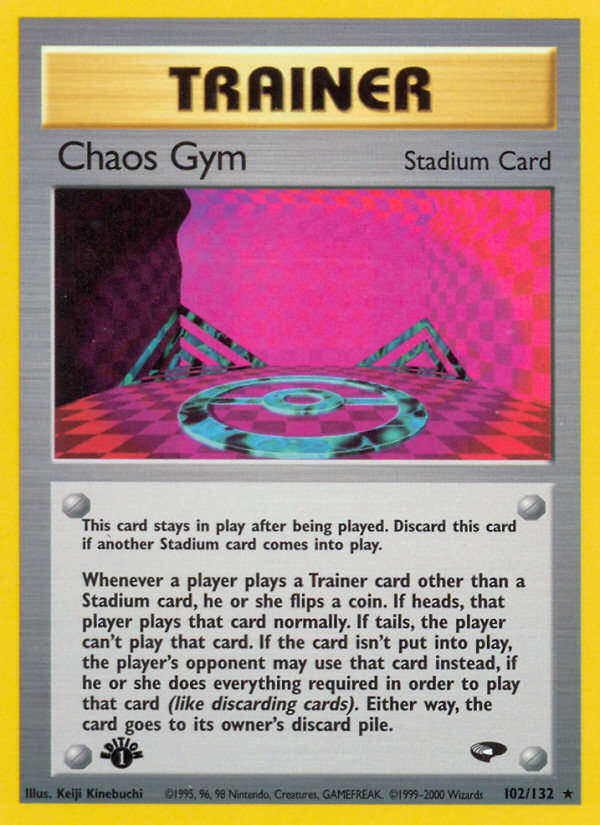
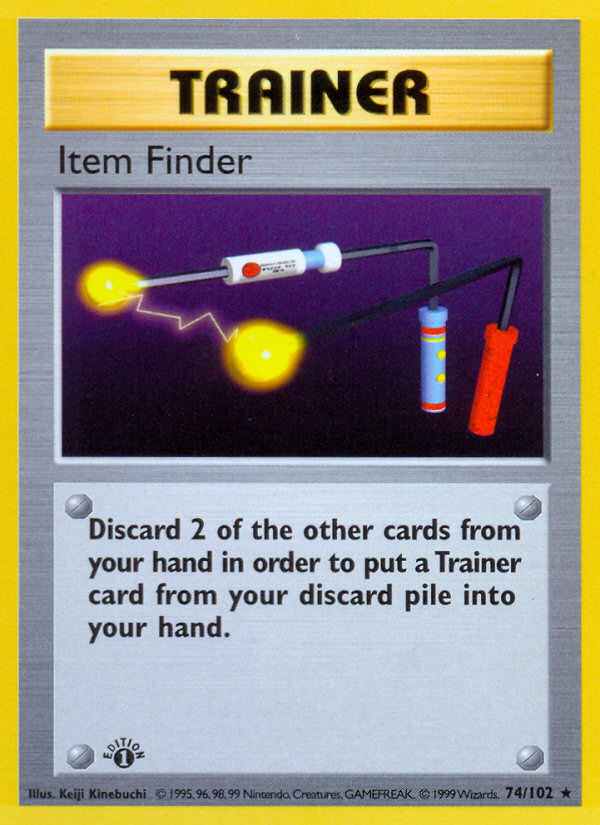
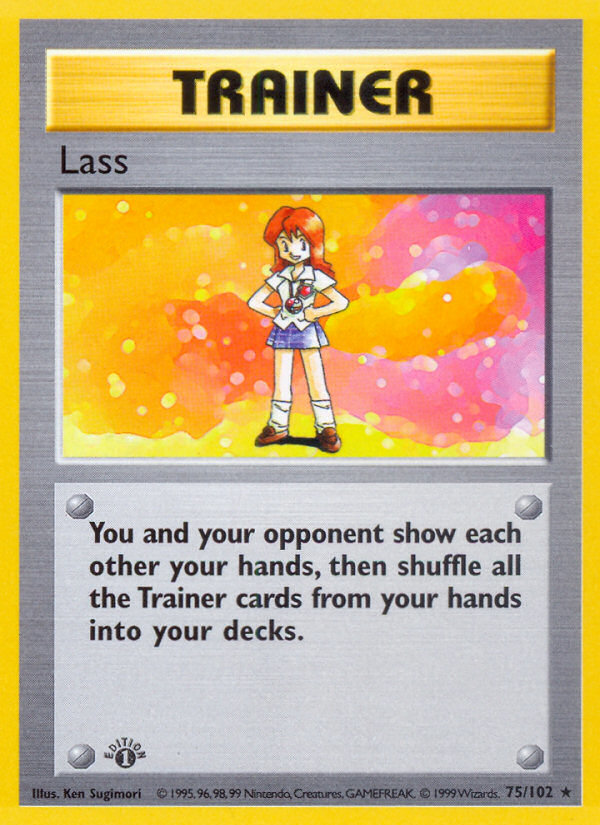
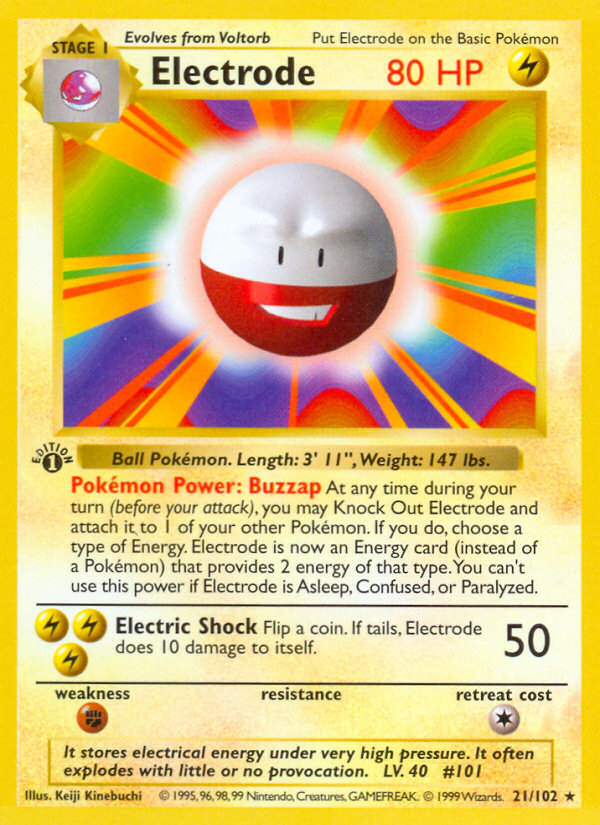
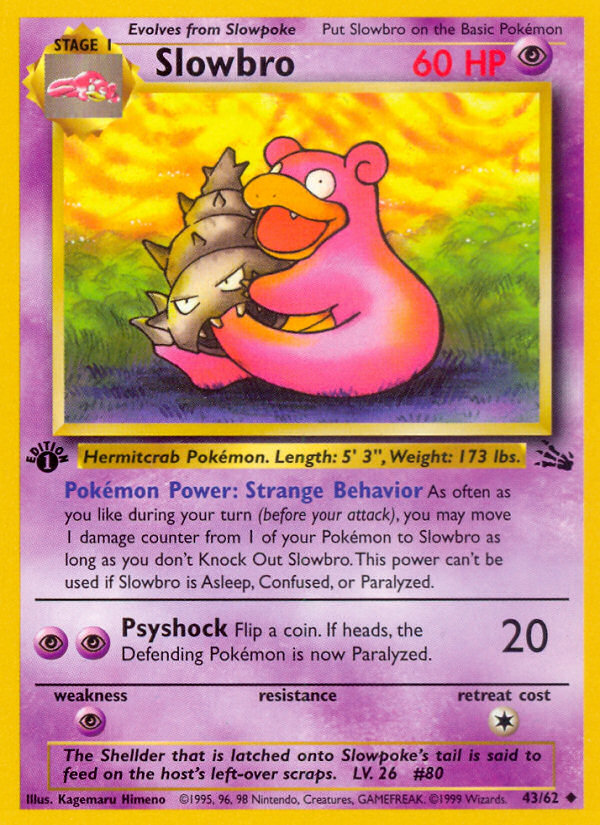
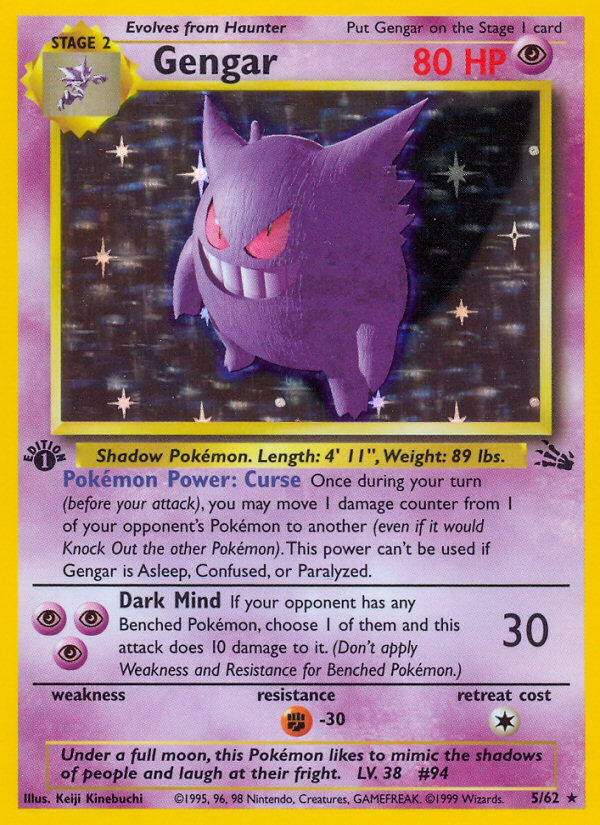
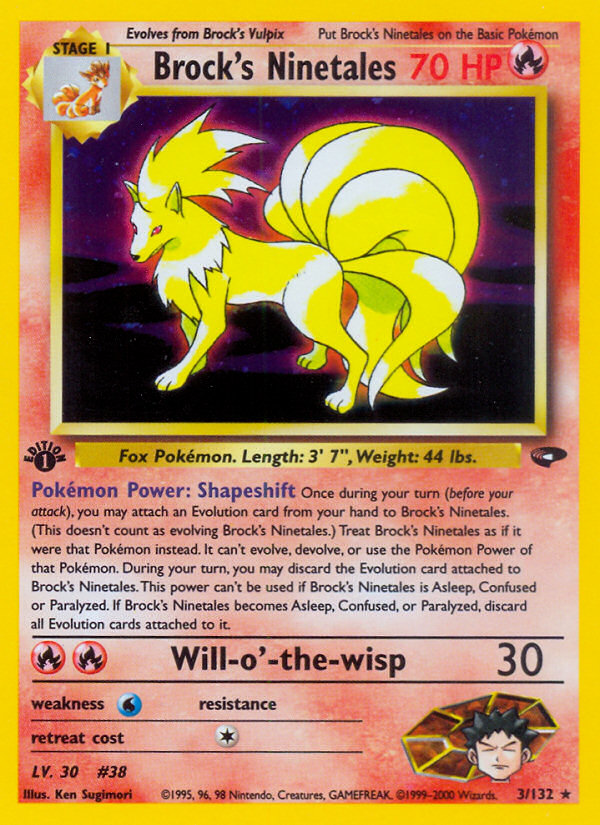
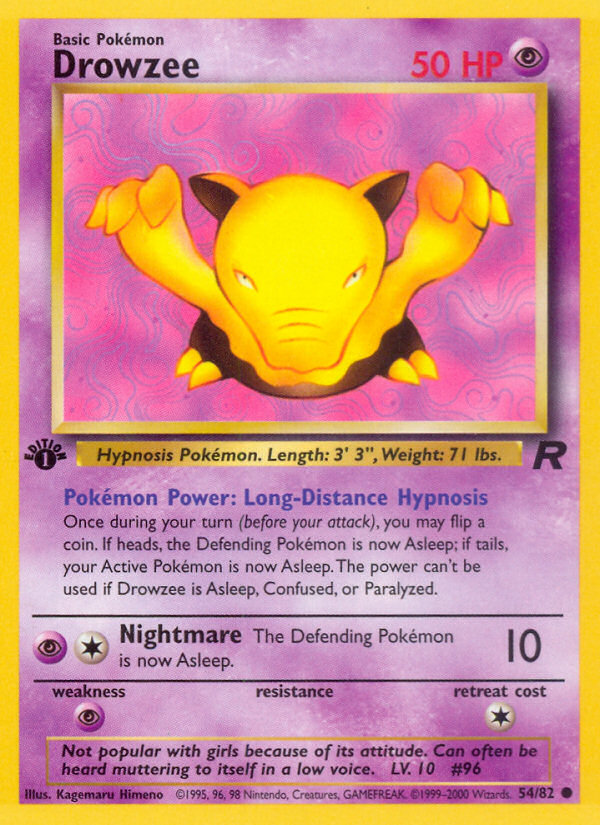
What separates Prop 15/3 from Base-Gym is the many unique Pokemon and combinations there-of that are competitive within the format! The following interactive Pokemon's Powers help to define the metagame of Prop 15/3:
- Energy-related: Electrode, Venusaur, Blastoise
- Retreat effects: Dodrio, Dragonite
- Lock strategies: Dark Vileplume, Aerodactyl, Muk
- Defensive damage manipulation: Mr. Mime, Alakazam,
Slowbro
- Aggressive combat effects: Gengar, Brock’s Ninetales,
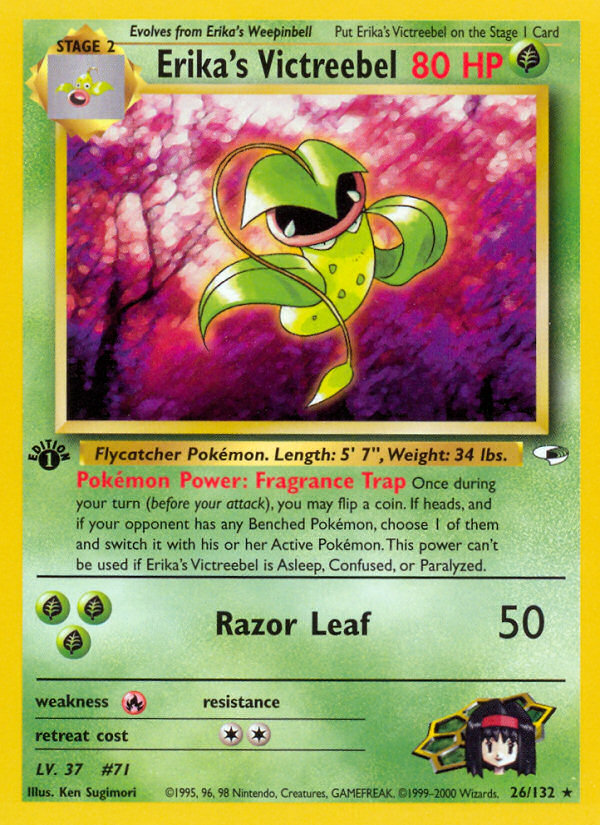
- Disrupting active: Erika's Victreebel, Team Rocket Drowzee

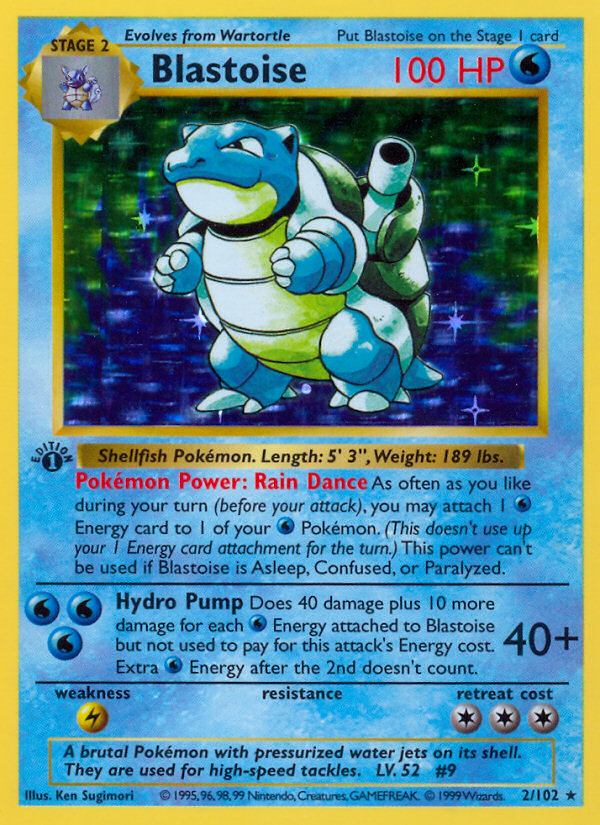
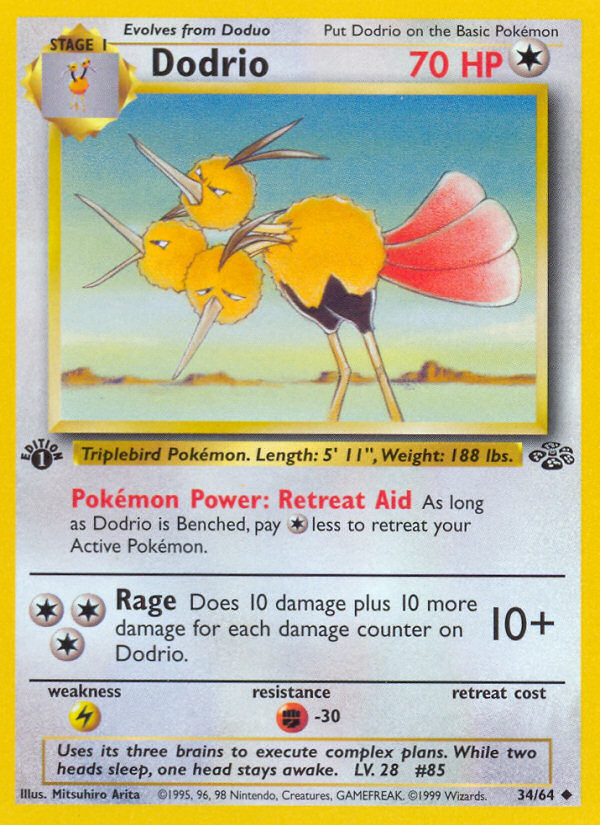
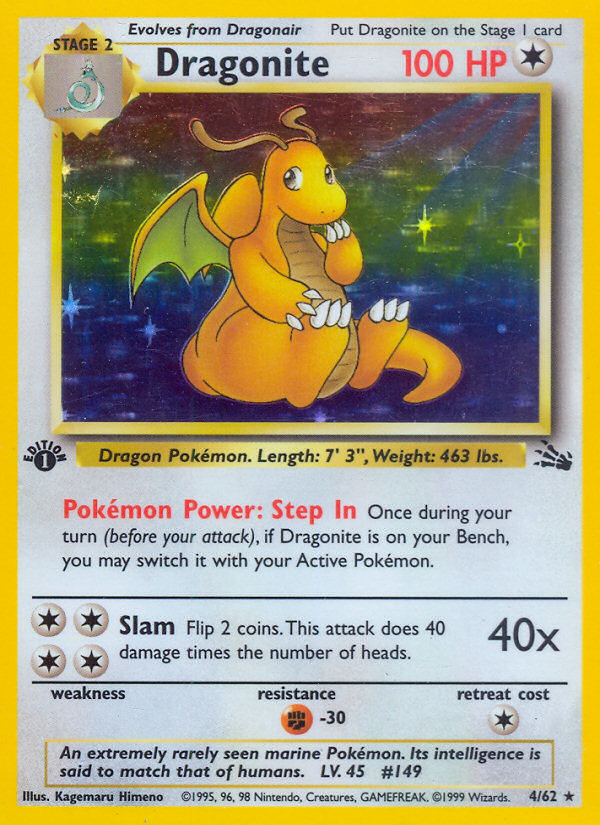
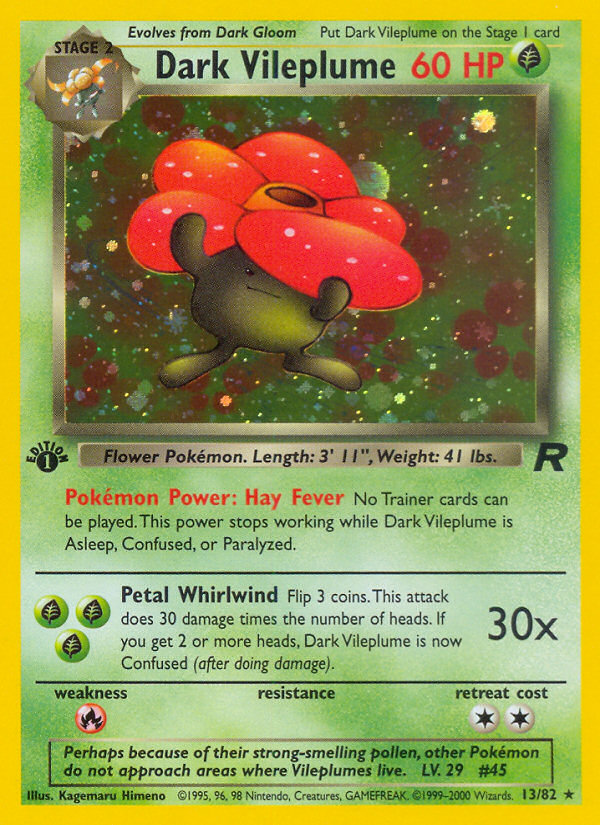
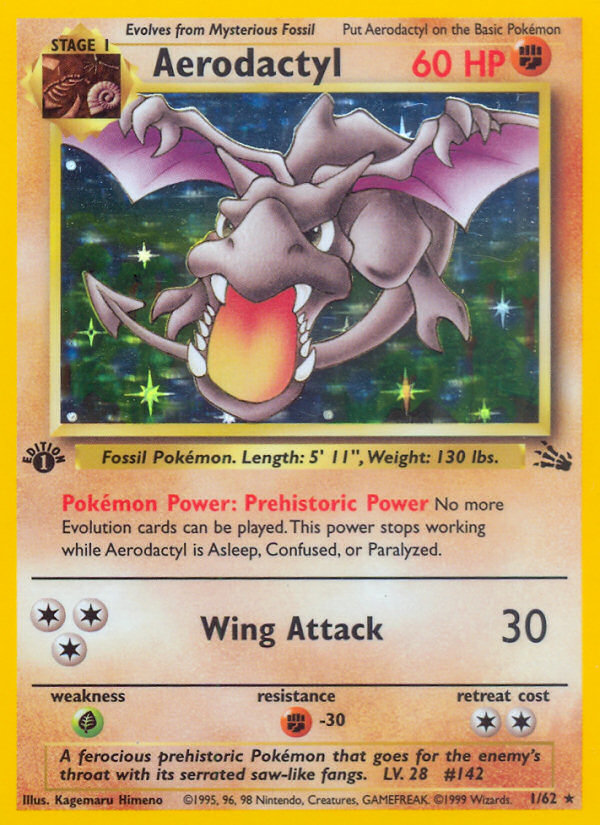
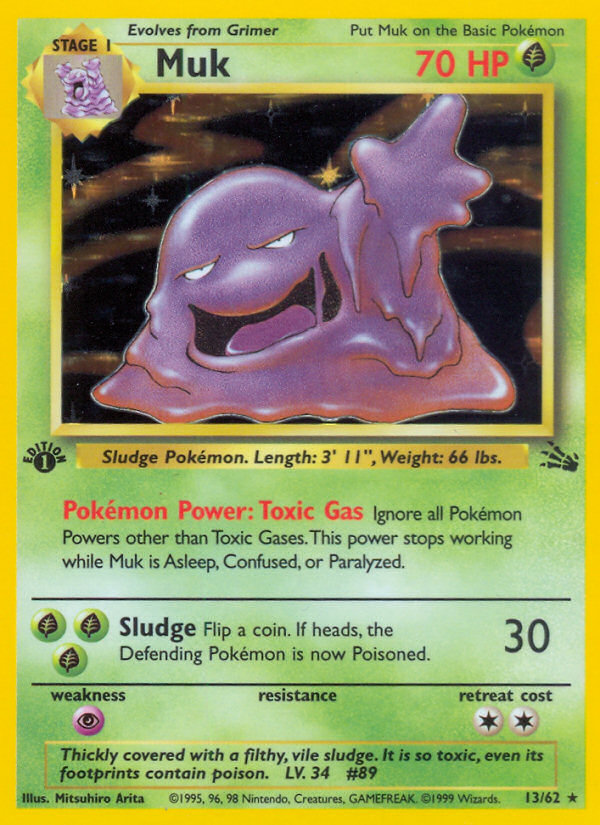
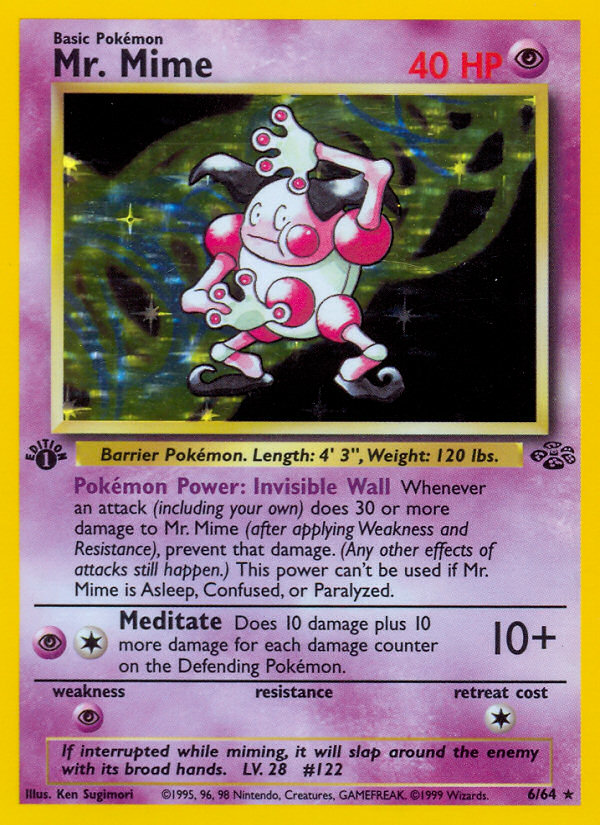
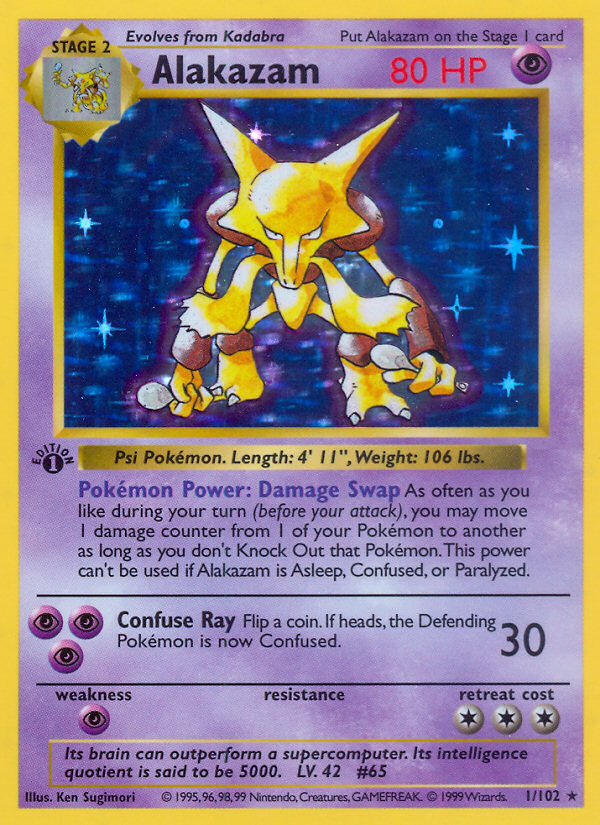
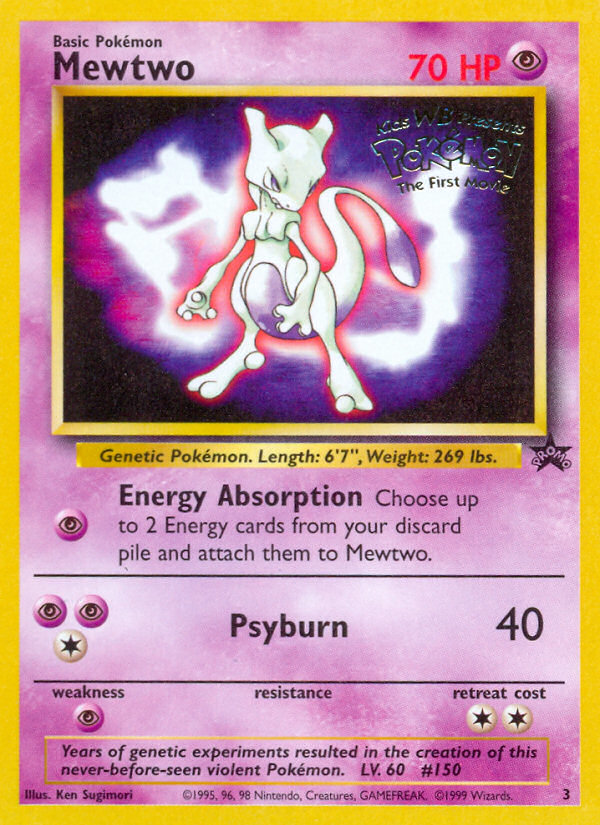
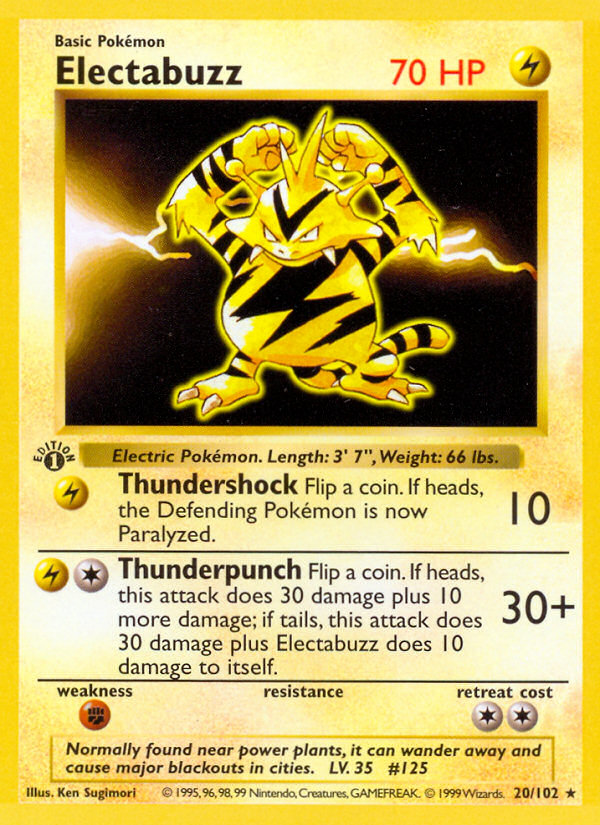
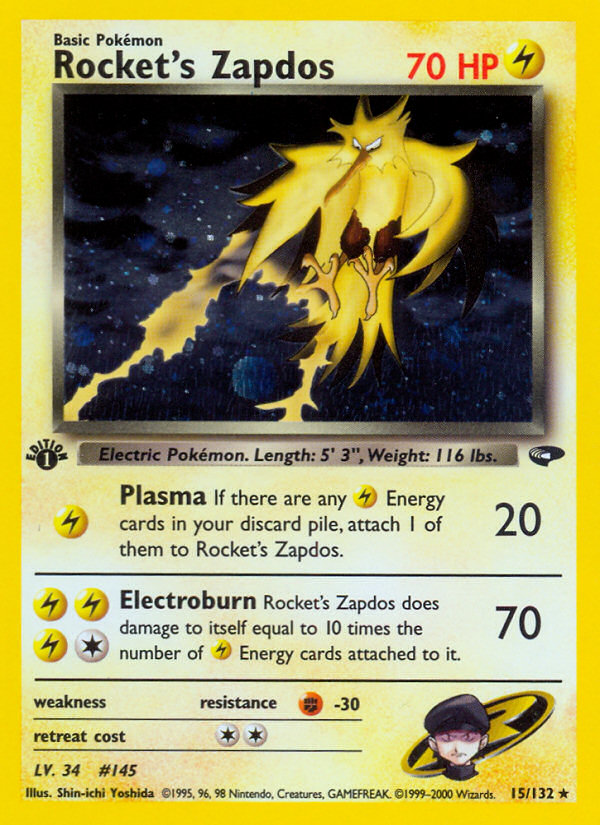
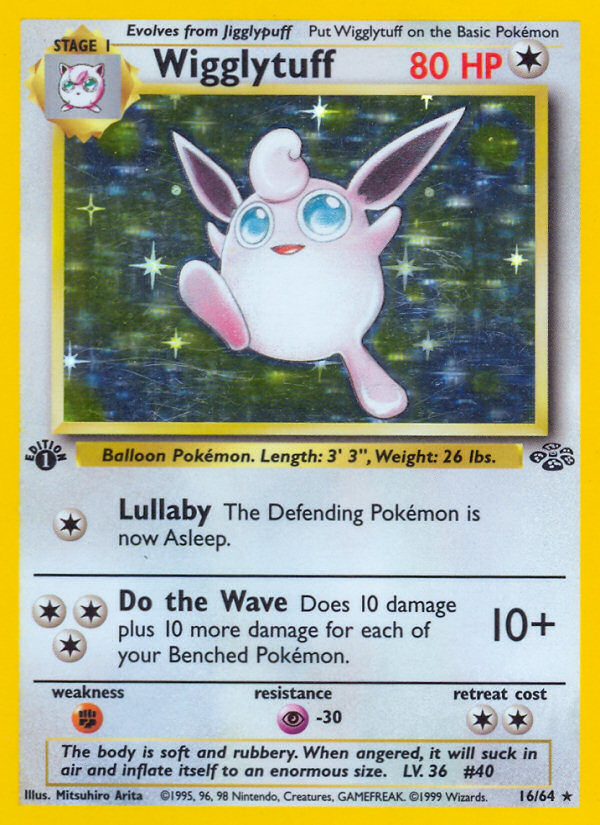
In addition to the usual pre-Neo suspects mentioned by Jason (Mewtwo, Electabuzz, Rocket’s Zapdos, Wigglytuff)
and those Pokemon highlighted in the above Pokemon Power summary, Prop 15/3 is
also defined by Pokemon:
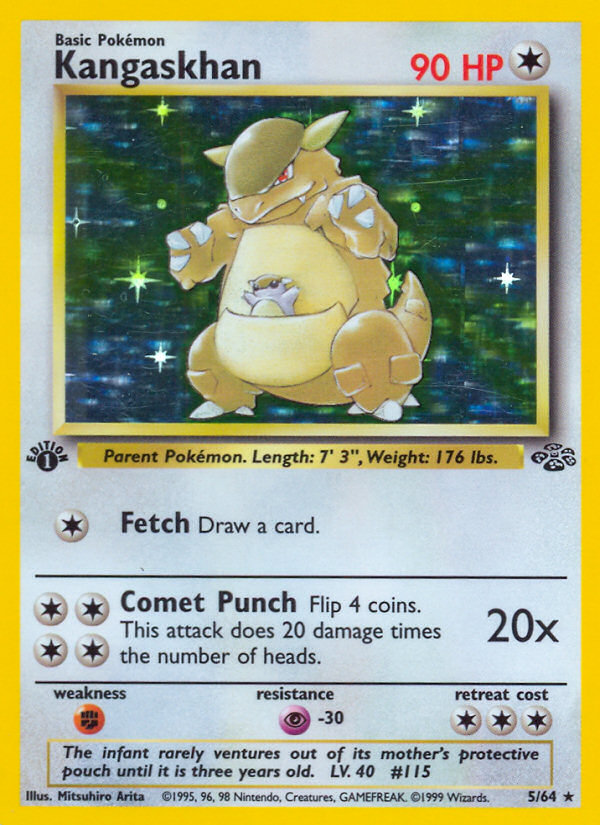
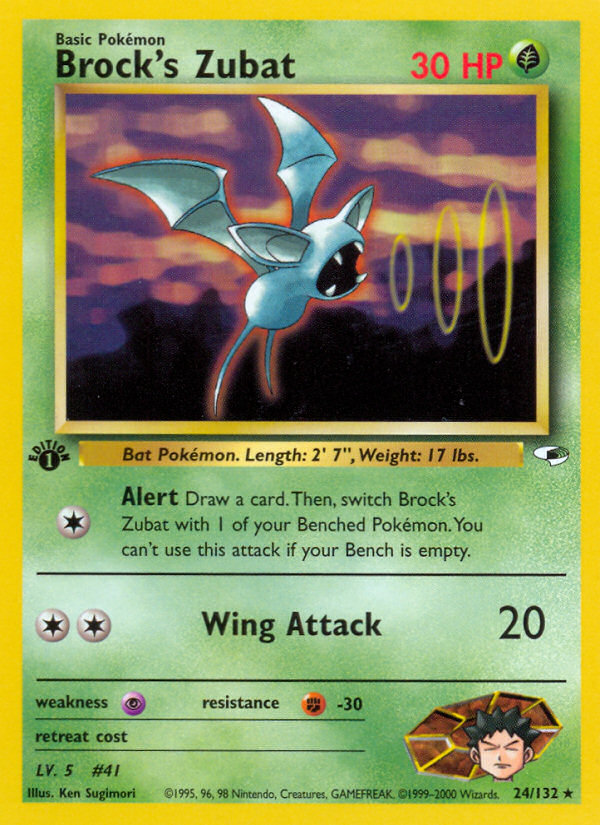
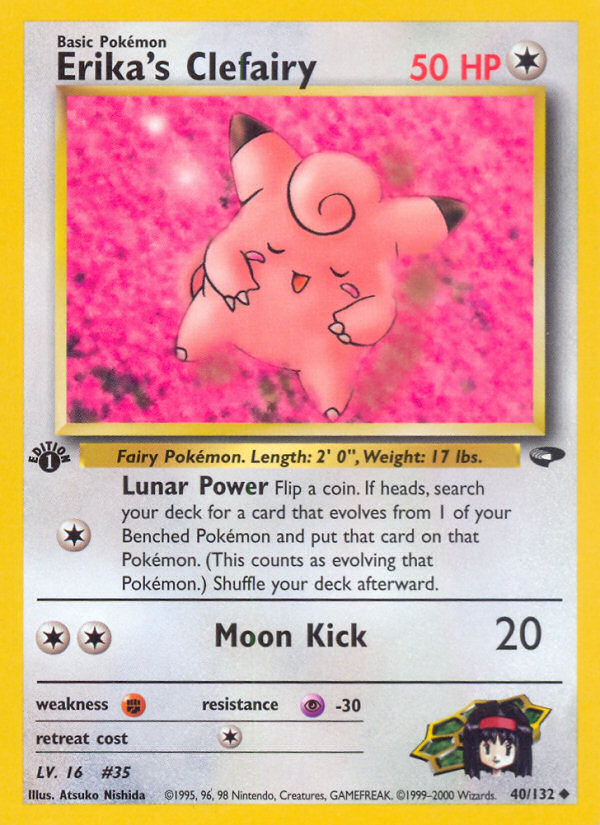
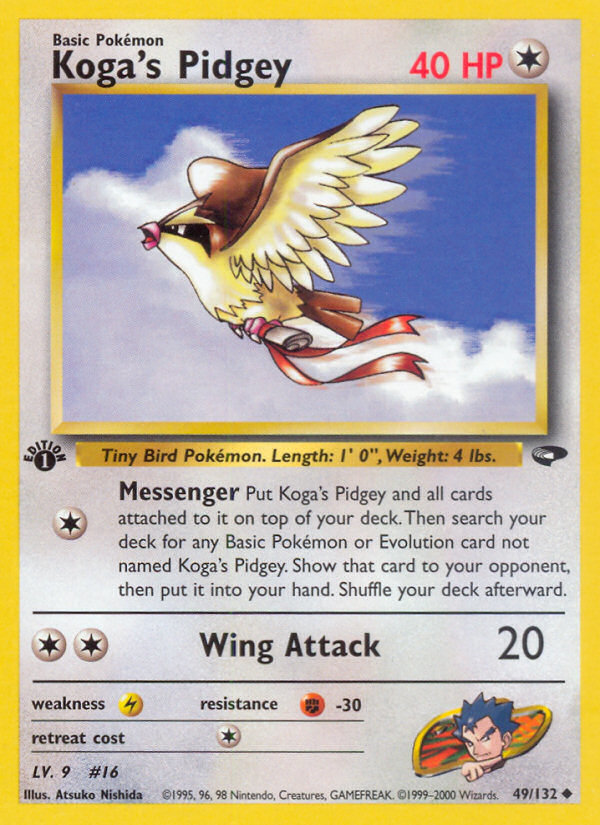
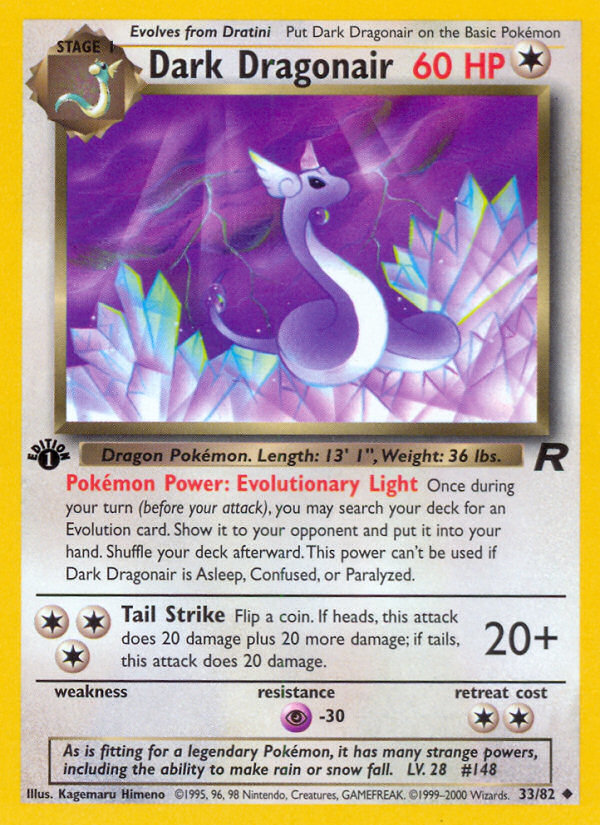
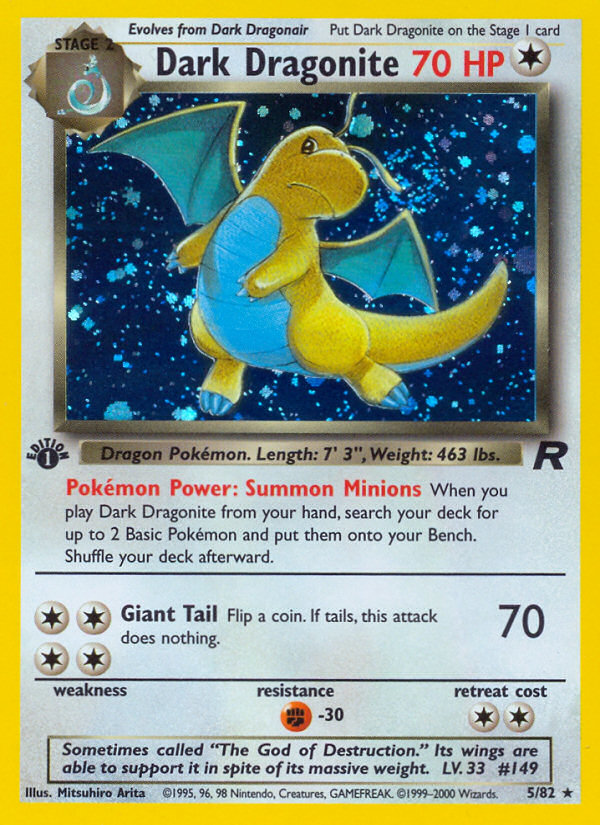
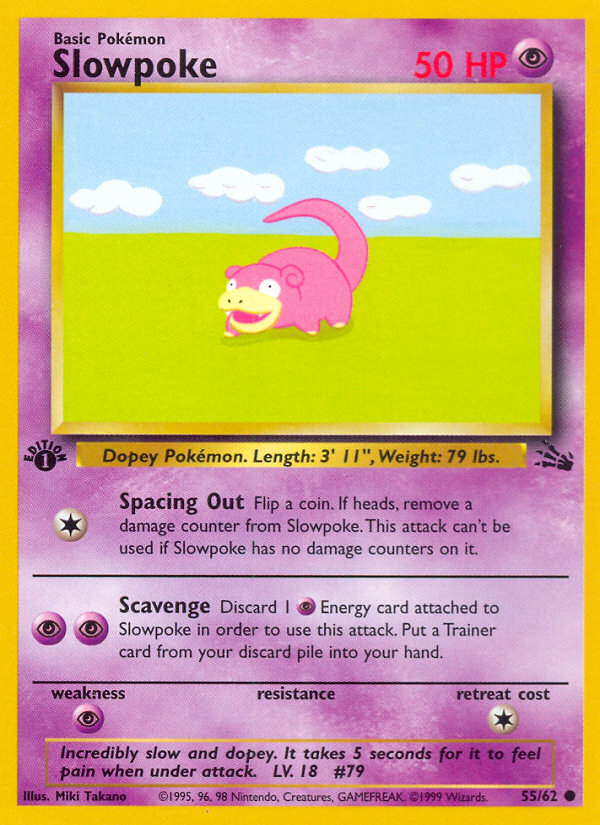
- that offer extra consistency (Kangaskhan, Brock's Zubat, Erika's Clefairy, Koga's Pidgey, Dark Dragonair, Dark Dragonite, Fossil Slowpoke),
- have very strong, one energy (or single DCE) attacks (Clefable, Lt. Surge's Raticate, Erika's Jigglypuff, Hitmonchan, Fossil Magmar, Lickitung),
- spread damage to bench (both Articuno, Dark Raichu, Brock’s Golbat),
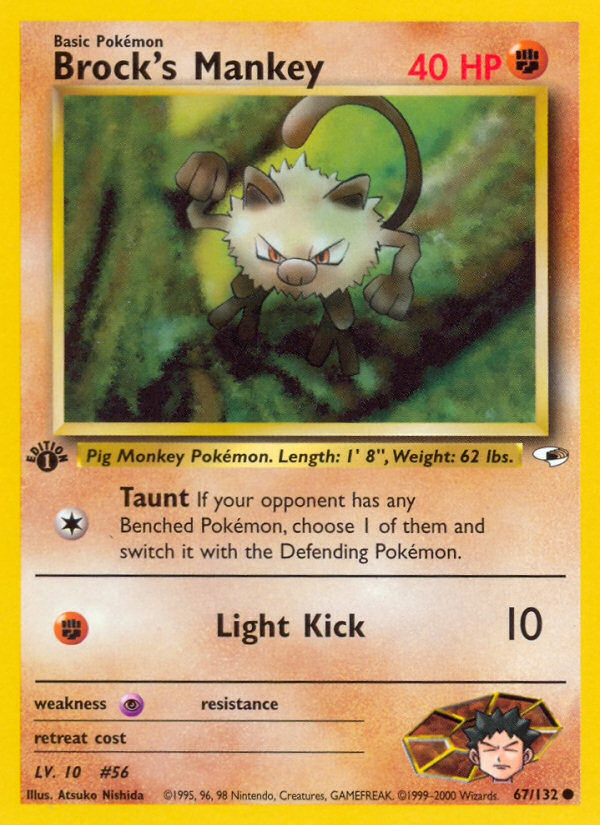
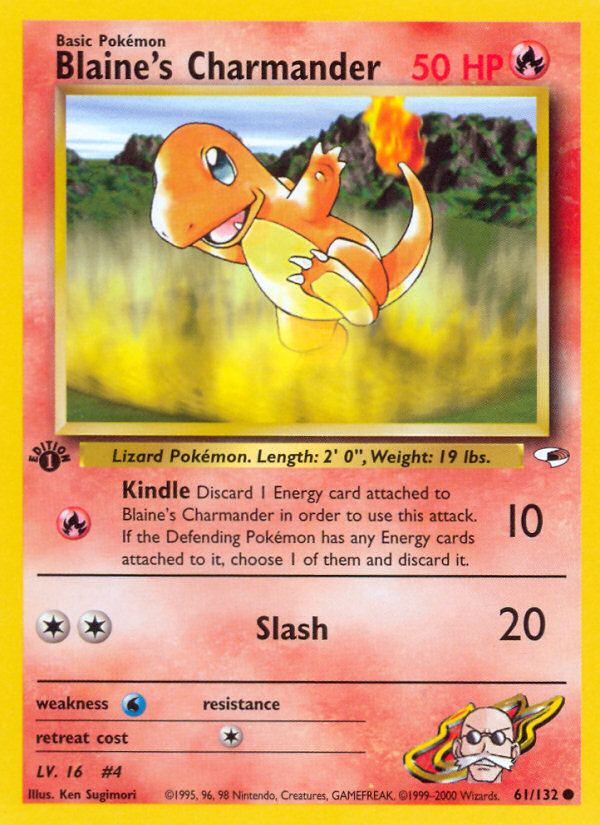
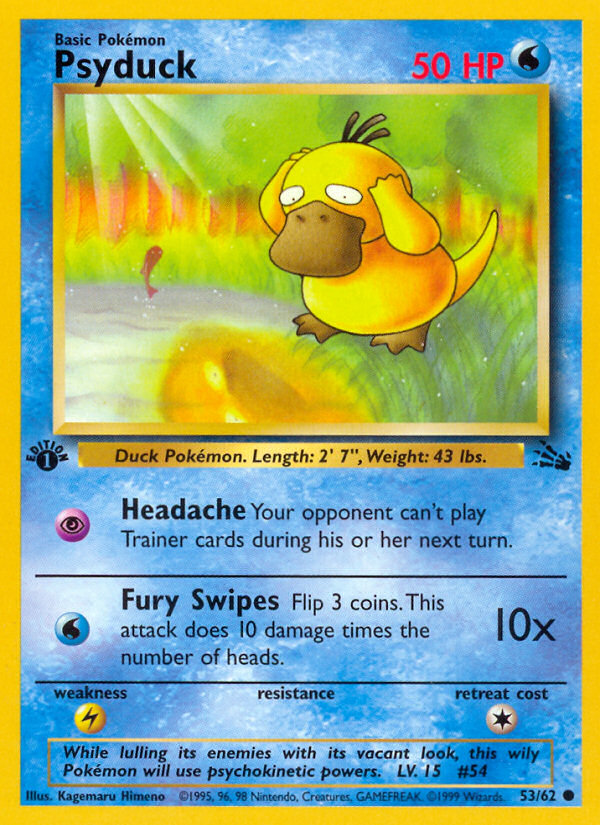
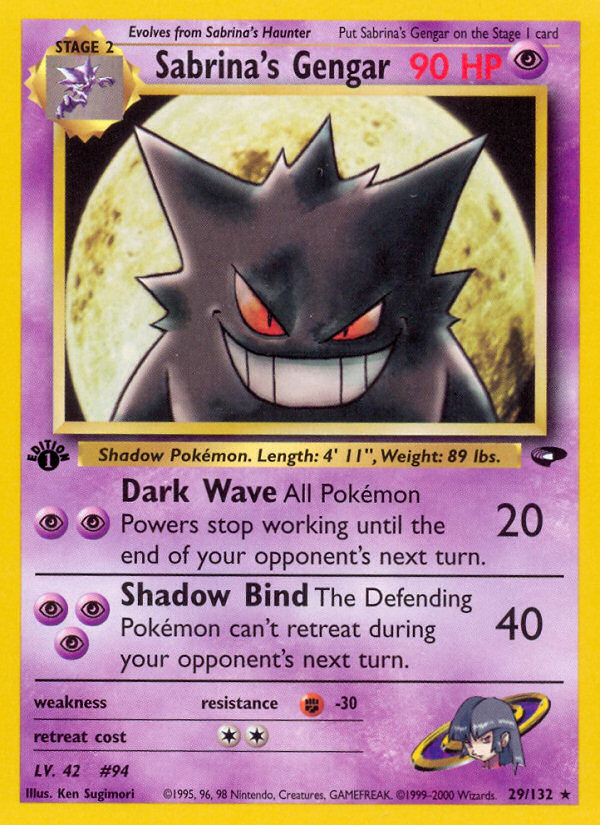
- or offer disruptive abilities on attacks (Dragonair, Brock's Mankey, Blaine's Charmander, Fossil Psyduck, Sabrina's Gengar).
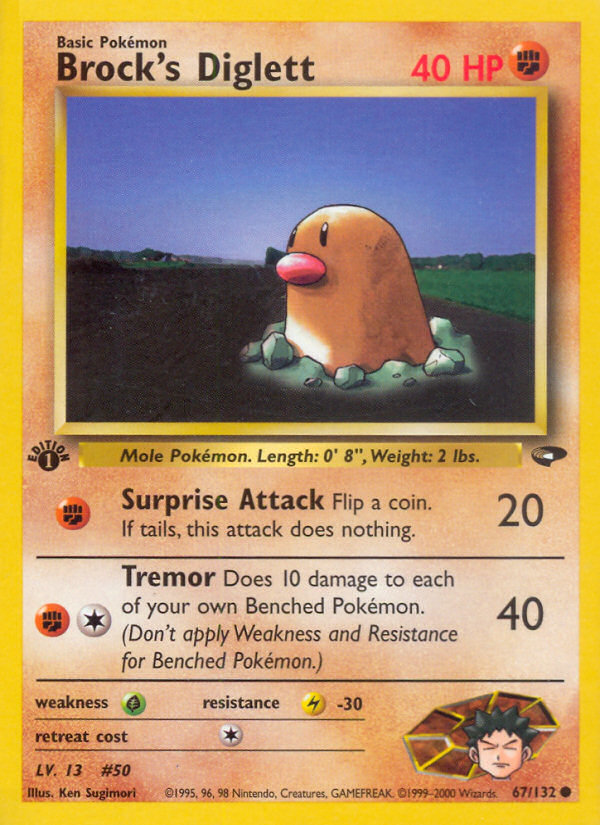
There are many Pokemon that can compete in the metagame of Prop 15/3 beyond the above groups. They generally having good stats (like Lapras), have a key type resistance (like Brock's Sandslash against Rocket's Zapdos), have free retreat (like Scyther) and/or have important amount of damage when hitting weakness (like Brock's Mankey or Brock's Diglett against Wigglytuff).
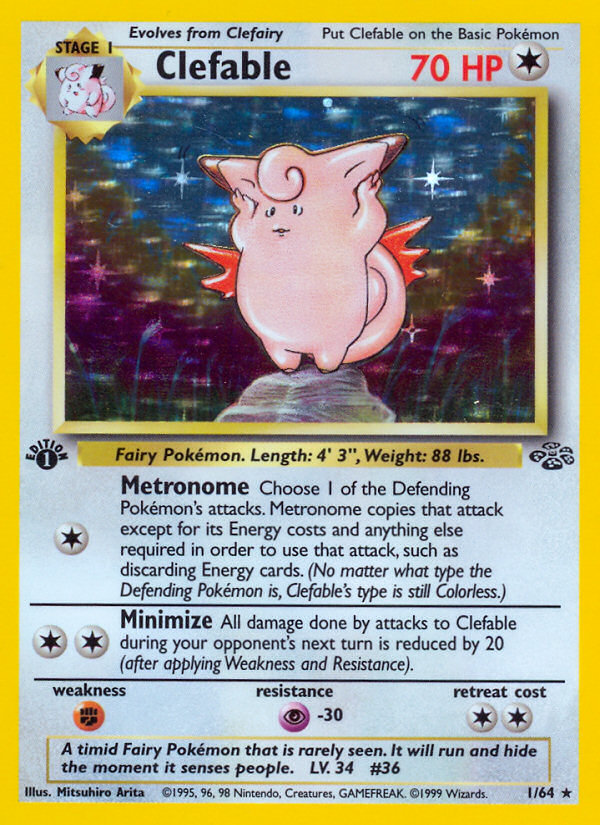
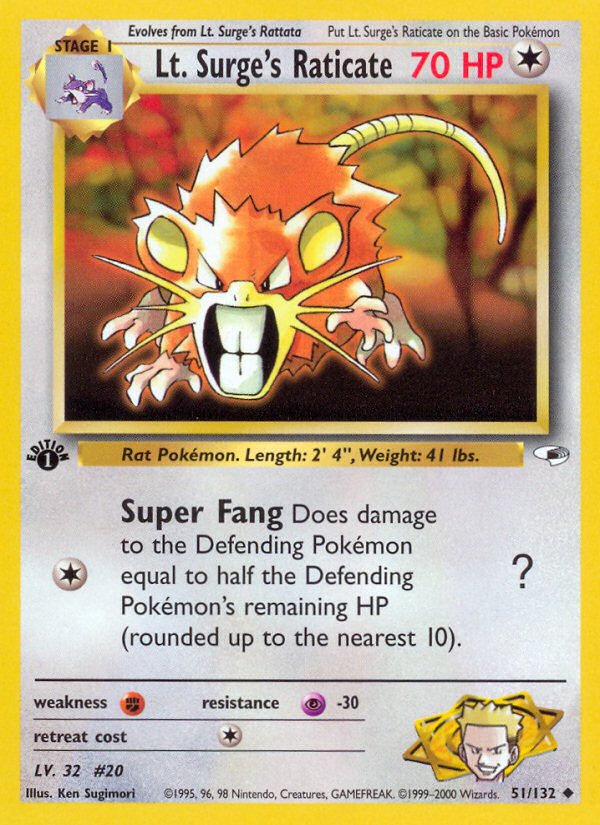
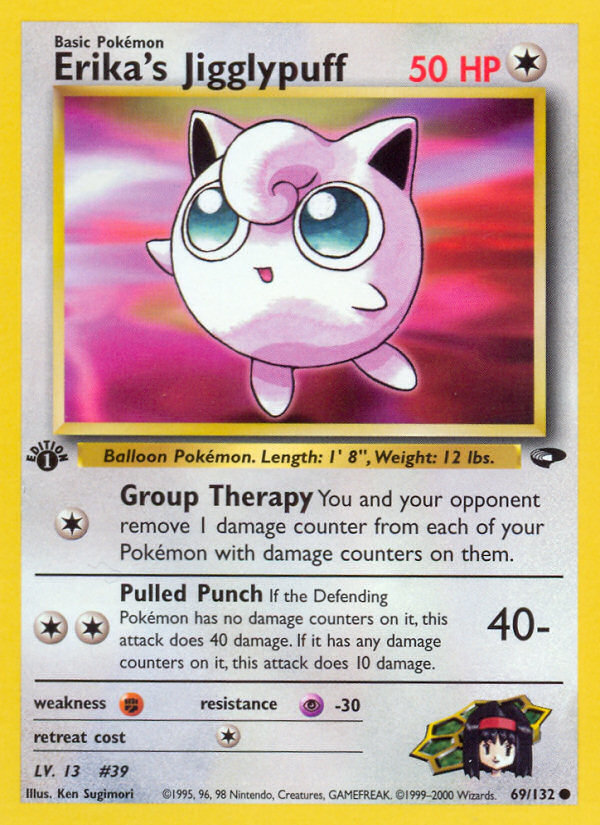
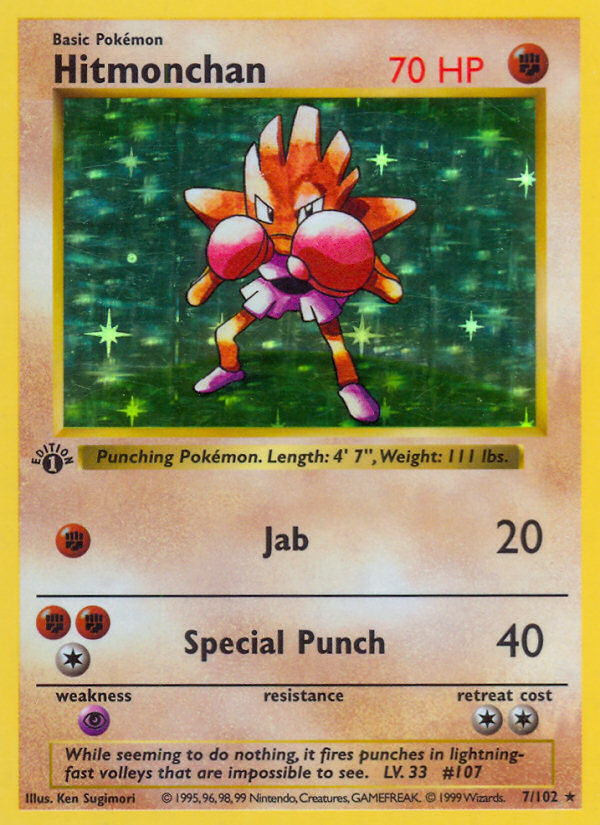
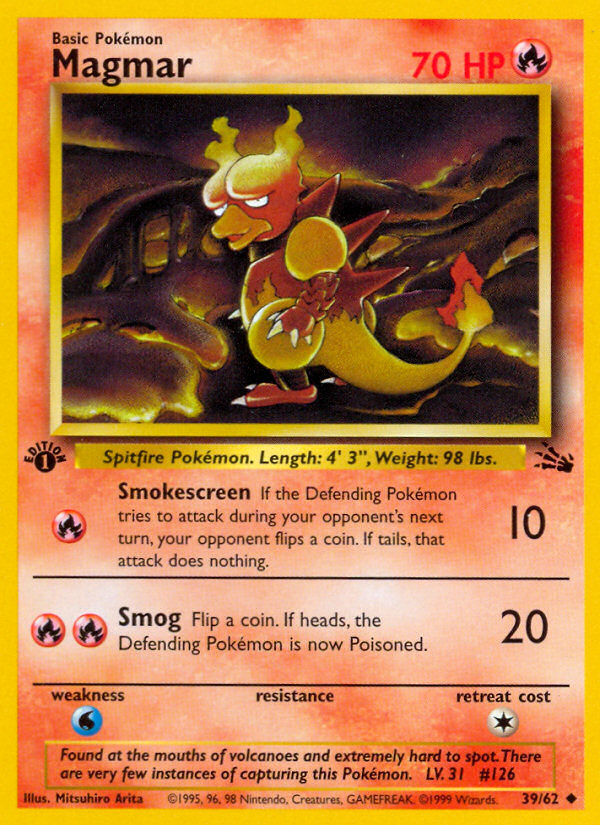
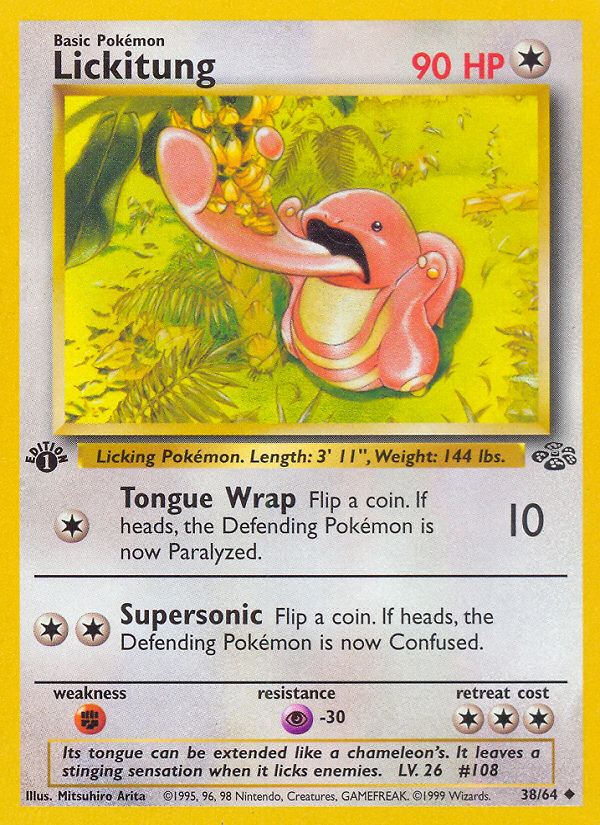
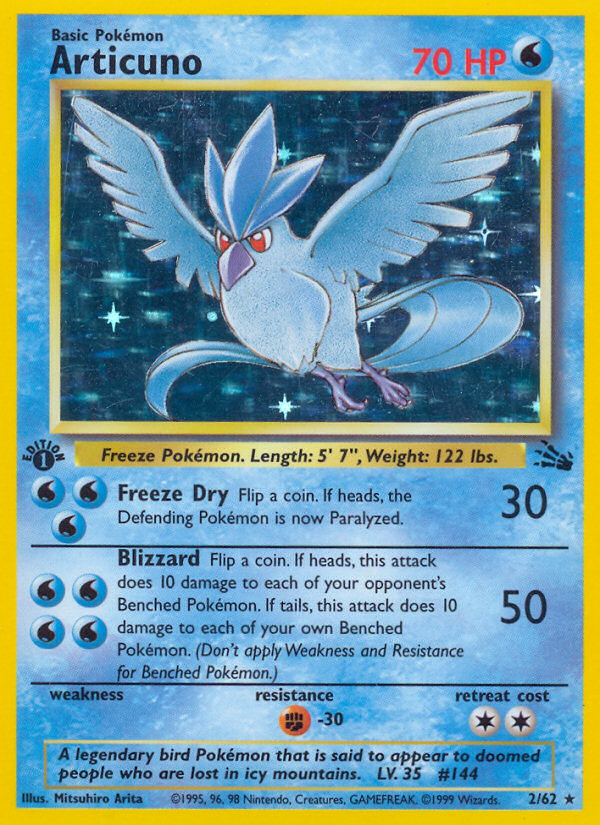
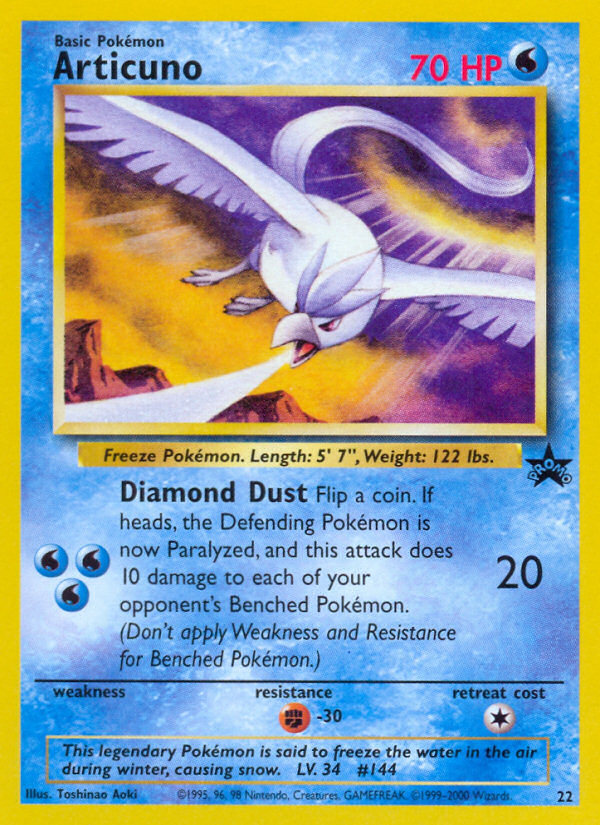
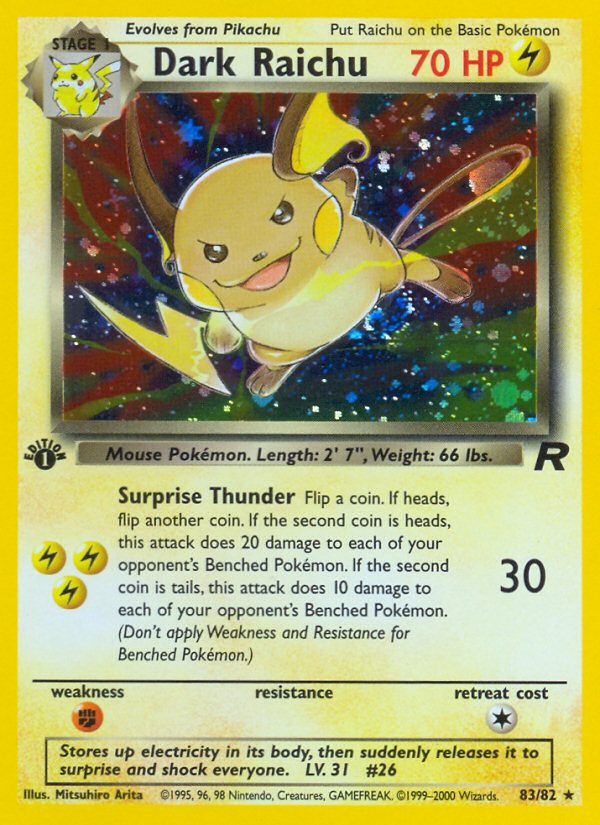
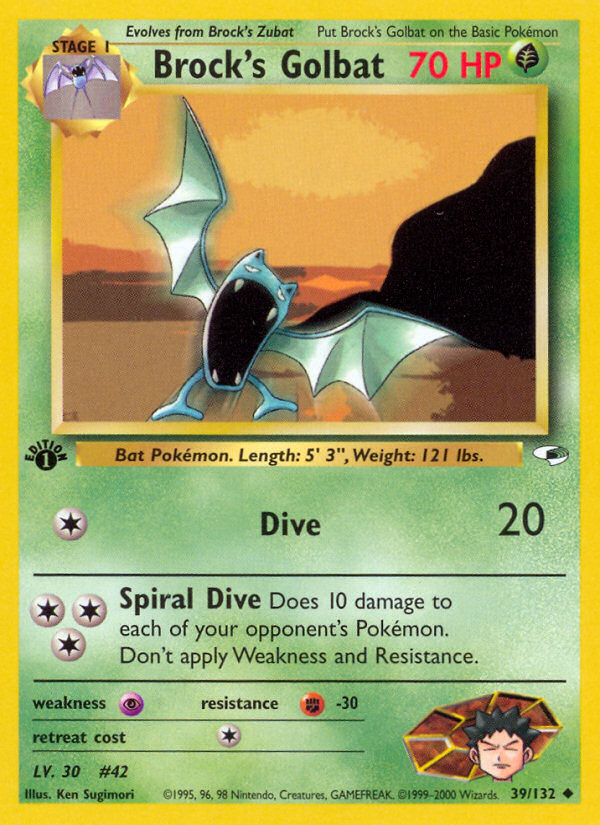
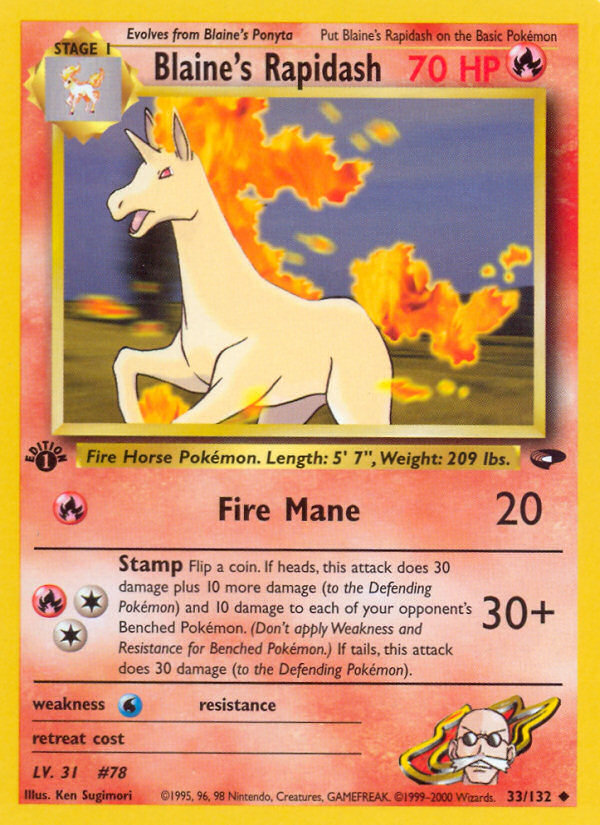
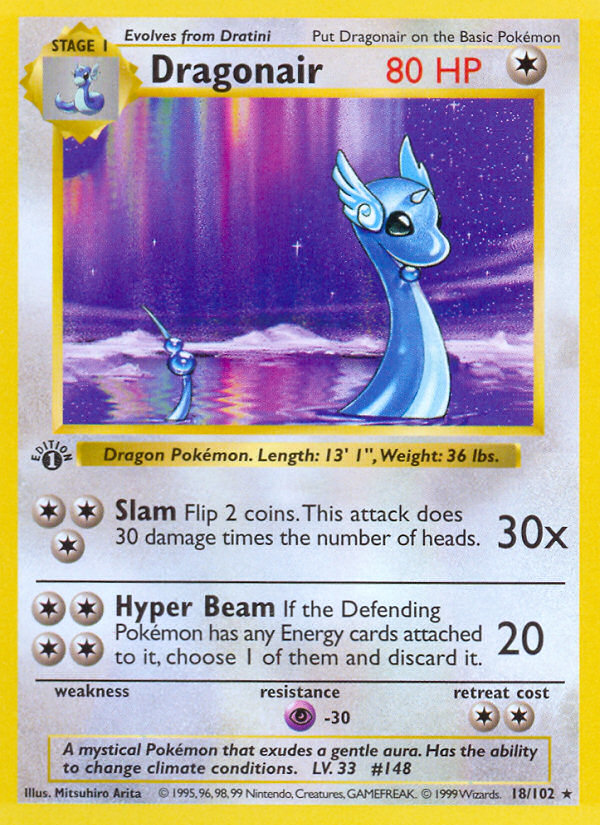
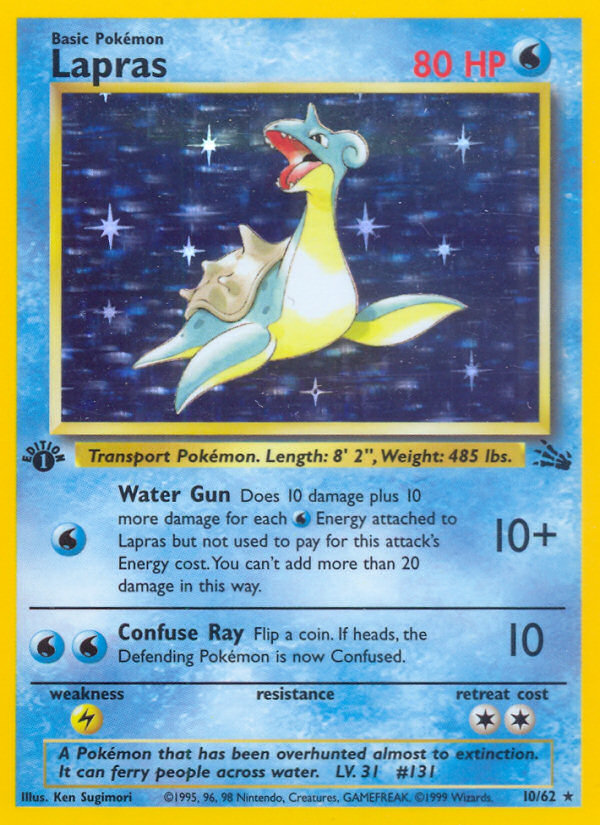
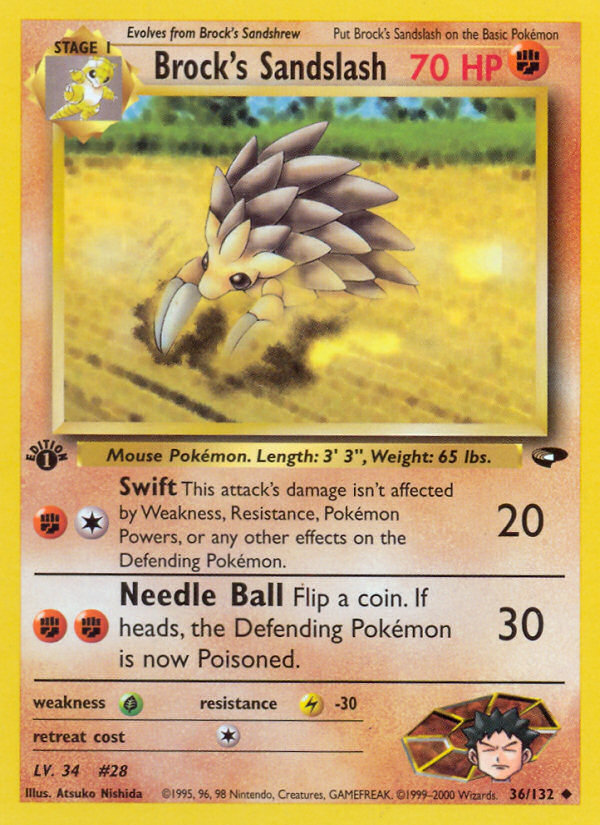
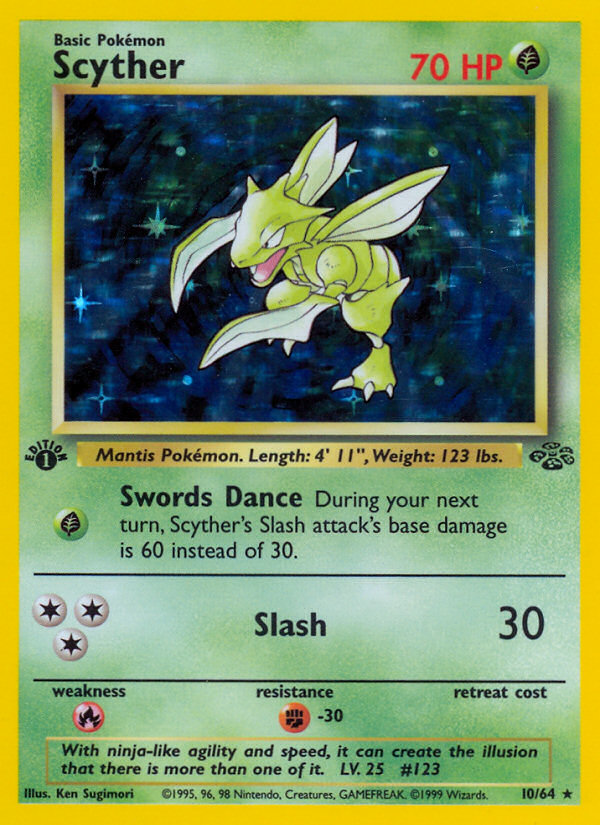
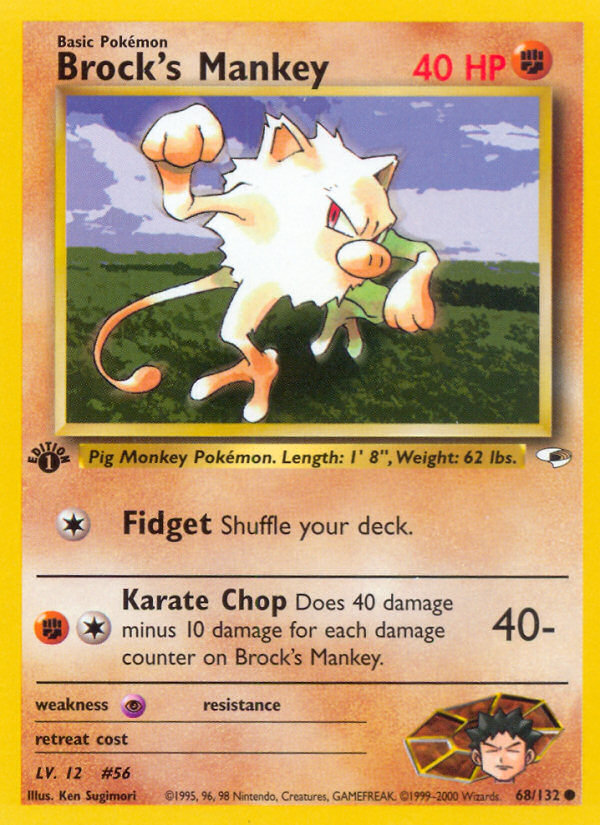
(A deeper dive into Prop
15/3 and the possible roles of Pokemon will be linked here eventually!)
So with the above in
mind, my view of the late-2024 metagame (deck archetype pages with lists linked)
is as follows:
(Find my personal deck lists maintained here.)
Tier 1: Haymaker (Wiggly and/or Dodrio), DarkDragonmaker
See an in-depth exploration into Haymaker and its variants
.png)

Tier 1.5: Aerodactyl, Bug Catcher
.png)
.png)
Tier 2: Muk & Wiggly, Gengar & BroBats, Stall, Dark Dragon Wiggly
.png)
.png)
.png)
.png)
Tier 2.5: VenuCenter Box, StepIn Rain Dance
.png)
See an in-depth exploration into Rain Dance
.png)
Possible Competitors (for which I've yet to find lists I like): ErikaBox (Erika's Maids-based Toolbox), Slowpoke/Slowbro, Brock's Ninetales, Sabrina's Kadabra, Dark Vileplume, Buzzap, Dark Raichu, Potpourri (Weakness-exploiting Basics), Medicate (Lt. Surge's Raticate & Mr. Mime), Alakazam
Haymaker is rivaled by decks with hard-hitting evolutions (and the Pokemon Powers they wield) along with type resistance and toolbox approaches. Dragonite, Blastoise and Venusaur are three Pokemon that support an effective game plan against Big Basics and disruptive Trainers. Dark Dragonair and Dark Dragonite open up playing specific answers with niche application.
And the evolution-based and/or toolbox decks have to contend with the lock strategies: high amounts of Energy Removal, Muk, Aerodactyl and Dark Vileplume. Muk may also be included in decks that take more of a Big Basic approach (at the cost of making those decks slightly worse against other Big Basic decks).
The Prop 15/3 metagame is still evolving and there is a lot of room for exploration. I hope to share my journey testing decks and ideas in further posts and updates to this blog. Enjoy brewing and battling!


Comments
Post a Comment