Prop 15/3 (Base-Gym) - A Look at Viable Trainers
Update 2024.10.10: This blog has migrated to https://retrotcgs.com/wotc-retro-pokemon/ .
Please find my most up-to-date Prop 15/3 lists in the metagame page and my active lists page. Thanks!
Potentially Viable Trainers & Their Roles in Prop 15/3

This article’s intent is to eventually cover all playable Trainer
cards in Prop 15/3. The ubiquitous
Trainers in Prop 15/3 are similar to those seen in other WotC Base-Gym formats,
but the opportunity cost of playing one Trainer over another limits play of
some of the cards that are very powerful only when the deck is drawing a lot of
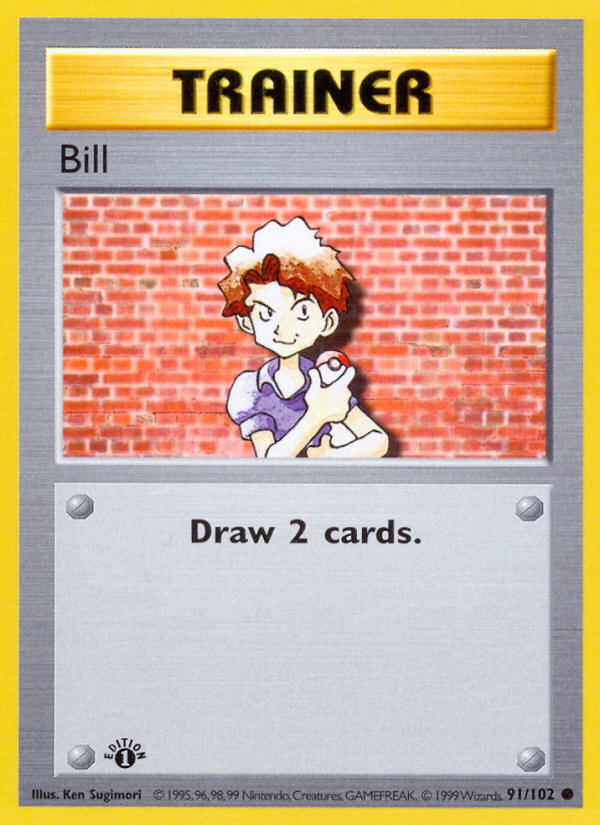
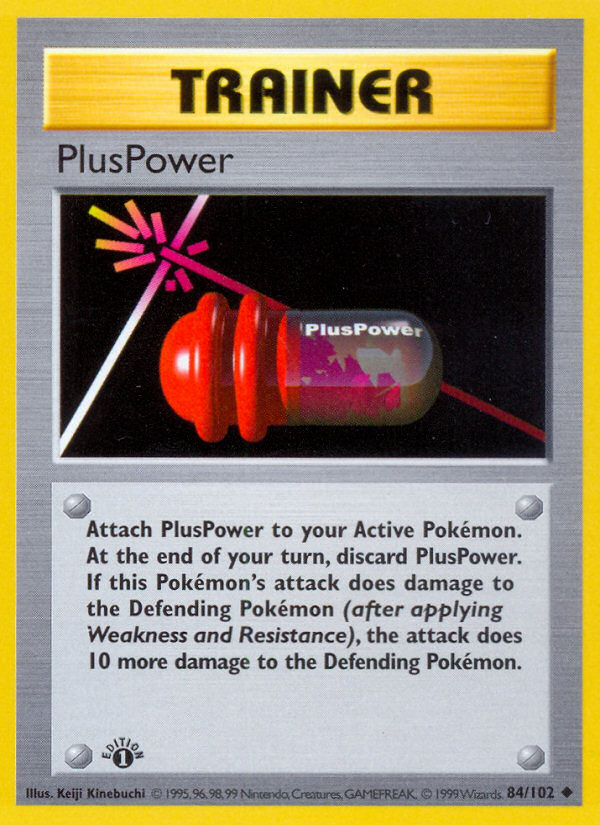
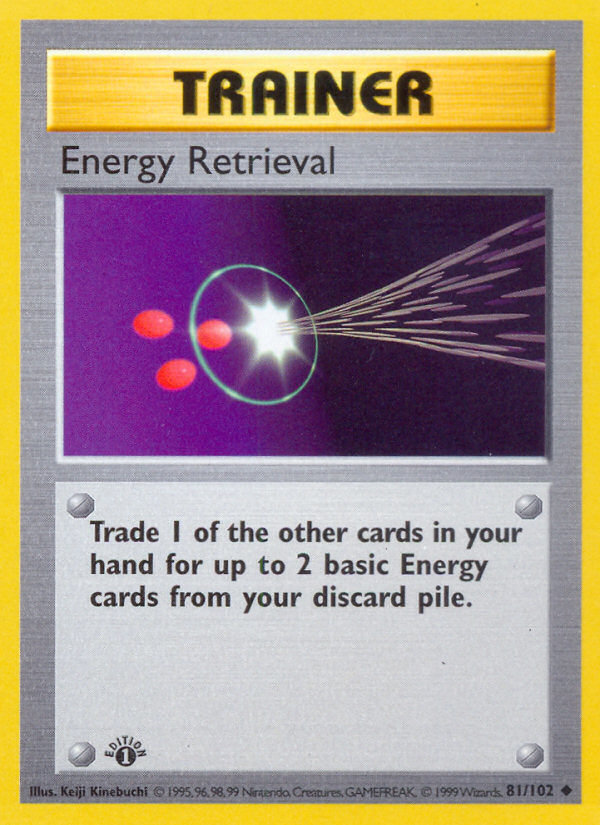
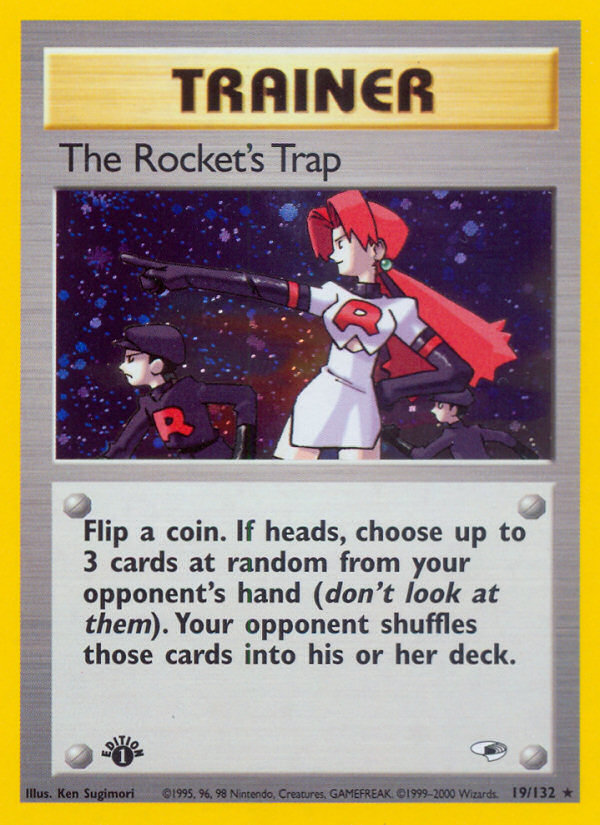
cards (like Bill, multiple PlusPowers, Energy Retrieval or The Rocket’s Trap).
The following sections categorize Trainers from their roles
during game play (with some discussion about how viable they may be), but cards
may fit multiple groups and have multiple use cases. I’ve tried to include
every card that I believe might have a niche application in 15/3 (but recognize
that some may be missed- feel free to let me know your thoughts in the comments,
and I will update as fit).
The Base-Gym era trainers that are most likely to see play in Prop 15/3 either: (1) improve consistency / increase cards in hand, (2) reuse resources, (3) disrupt opponents' resources / game plan or (4) protect your Pokemon in play.
(A deeper dive into Prop 15/3 deck building and assembling viable combinations of Pokemon with Trainers will be linked here eventually!)
A Note on Stadiums
If you’re coming to Prop 15/3 from Base-Fossil and not much
other Retro Pokemon or Standard Pokemon play, Stadiums are unique in that they
are a subtype of Trainer, and their effects are ongoing. They’re also unique in
that only a single Stadium may be in play between both players at a time;
playing a second discards the first. As some incredibly disruptive effects are
attached to Stadiums, each deck should consider playing some number of Stadiums
to clear the opposing (even if their effect may seem quite marginal).
1. Consistency (or “Glue”)
Pokemon-based strategies need searching to assemble key Mons
or grab their Trainers when needed. All decks need to meet raw resources (other
Trainers, number of Mons, Energy) to maximize board position and further decks
goal(s) each turn. And any card that boosts a deck’s consistency is
appreciated! For the sake of discussion, let’s call these cards the “Glue” that
hold a deck together.
I see Prop 15/3 Glue Trainers split into 3 groups, with
staple and fringe application within those groups:
Search for Cards (mostly Pokemon)
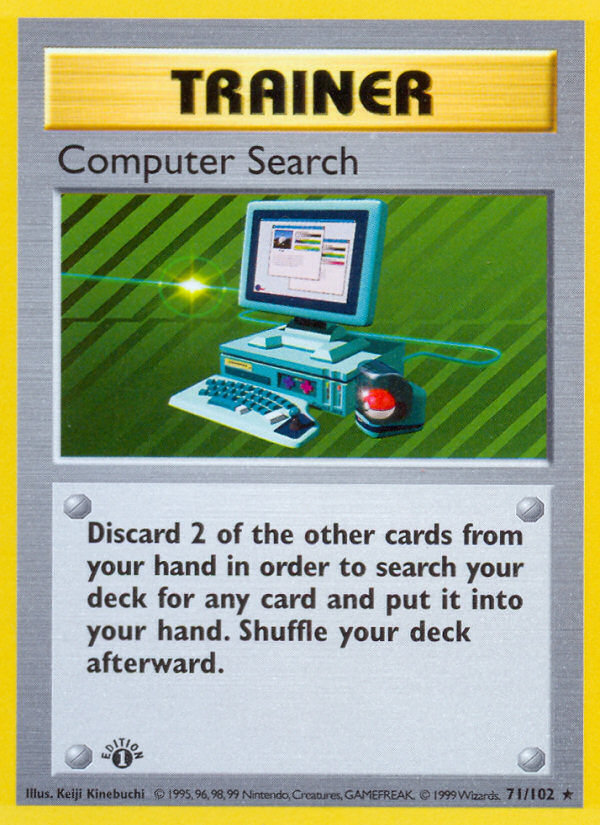
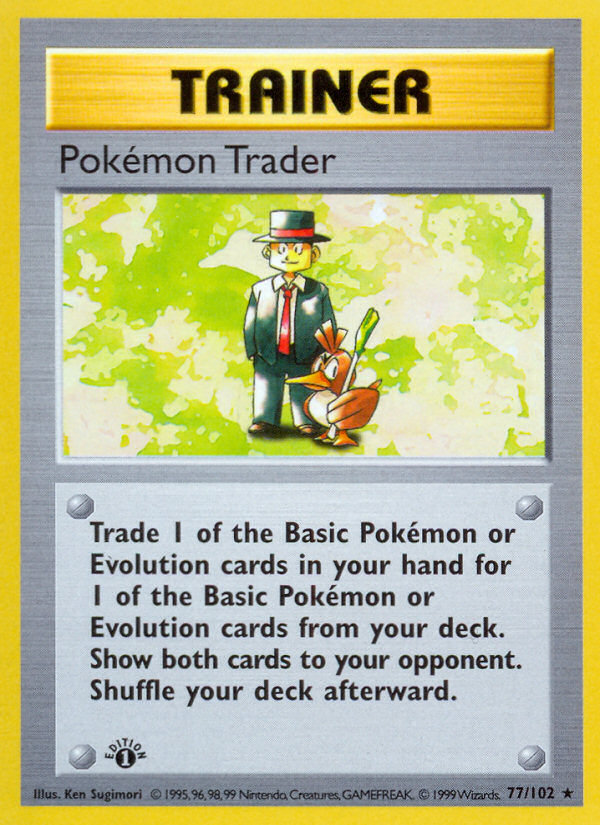

Stapes: Computer Search and Pokemon Trader are among the most-included
trainers, although they (Pokemon Trader, especially) are not as important for
Stall or Big Basic strategies looking for more interactive Trainers. Trader’s
secret strength is saving Stage 1 and Stage 2 Pokemon from being discarded when
using Professor Oak, and I have not built many decks without at least two
Search.
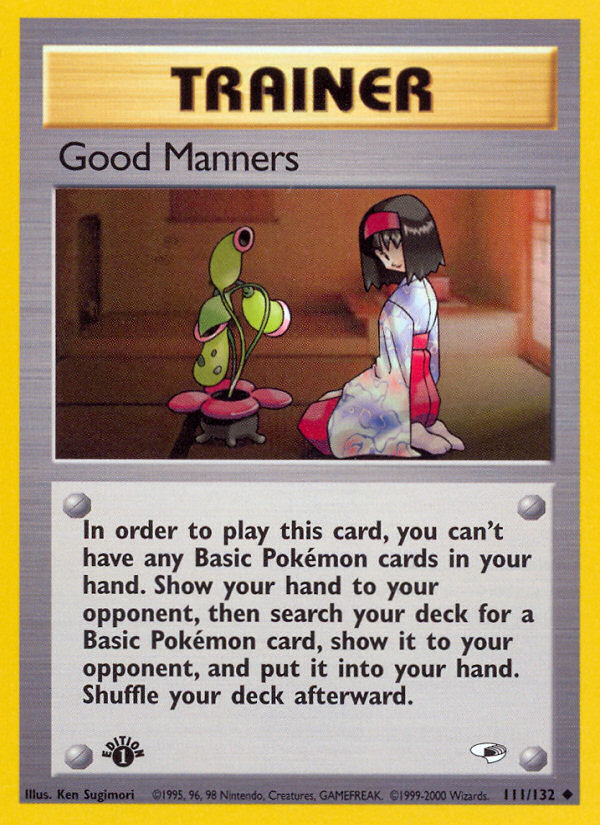
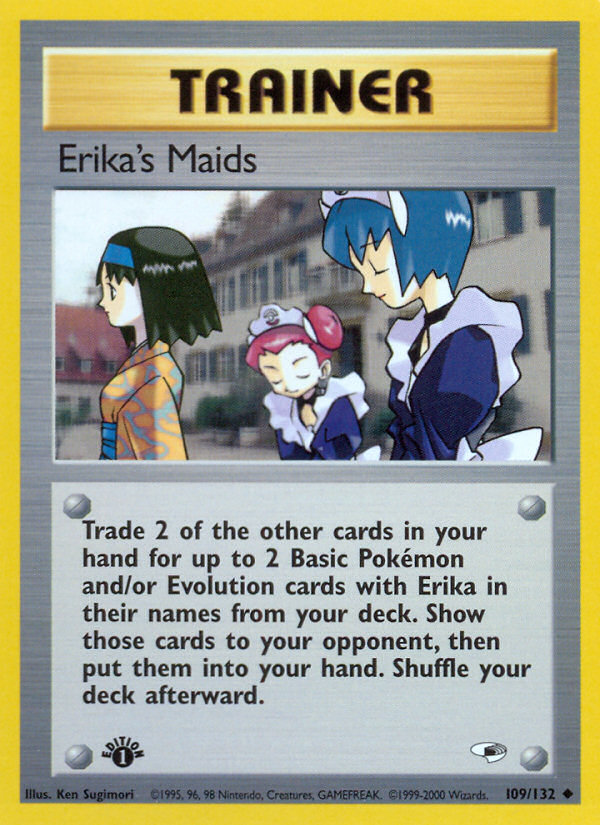
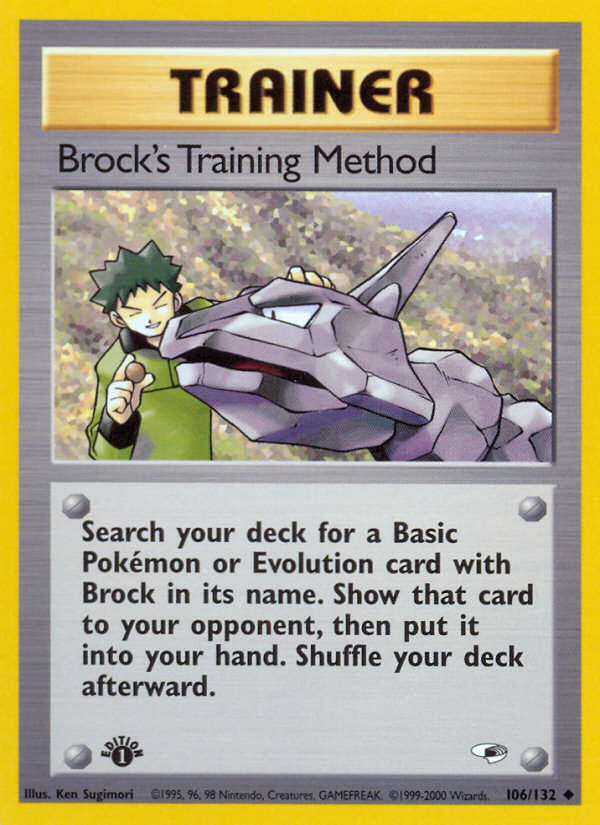
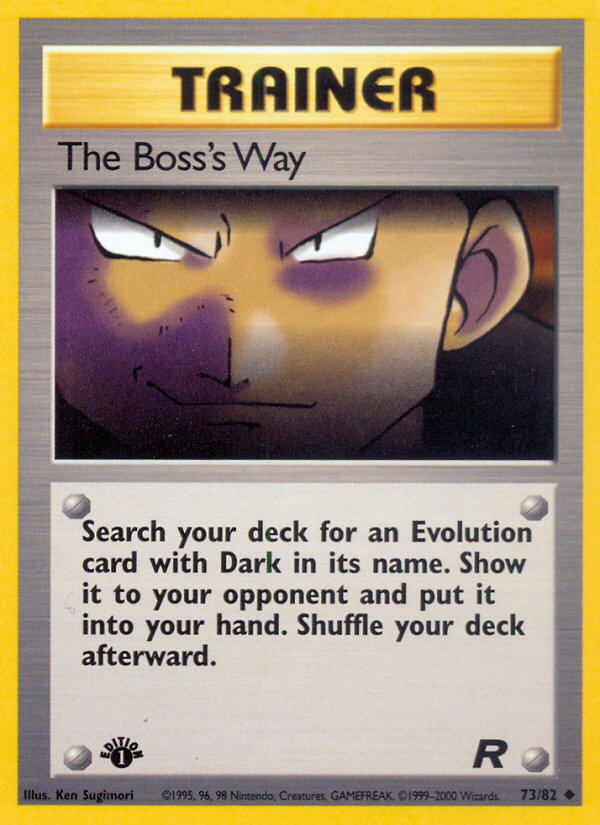
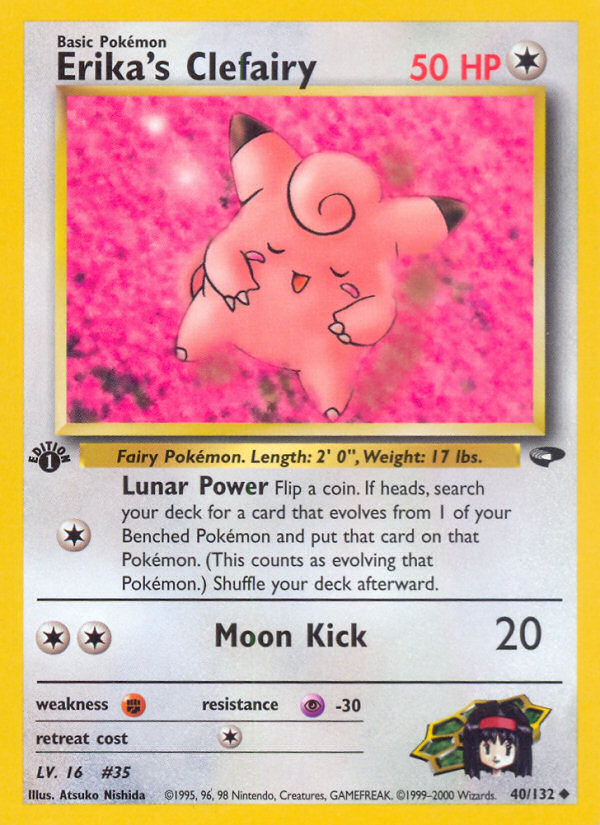
Fringe: Erika’s Maids, Brock’s Training Method, The Boss’s
Way, Good Manners and to a lesser extent, Master Ball are substitutional or
supplemental to Pokemon Trader, each having their own restrictions on deck
building. I can imagine a deck that plays the Gym Challenge Erika’s Clefairy
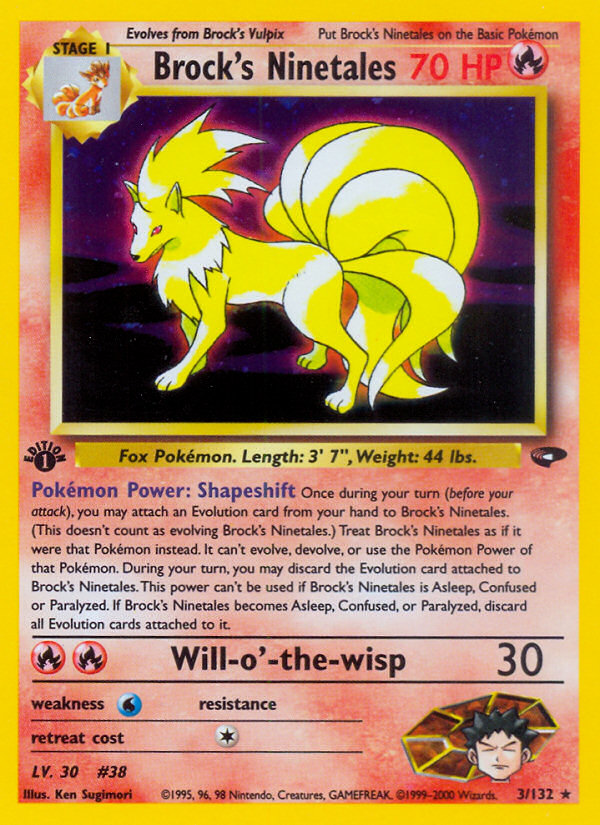
and some other Erika’s Pokemon along with the Erika’s Maids. Brock’s Training
Method seems especially suited for Brock’s Ninetales decks to assemble their
namesake and maintain some utility (along with many other glue Trainers). Note
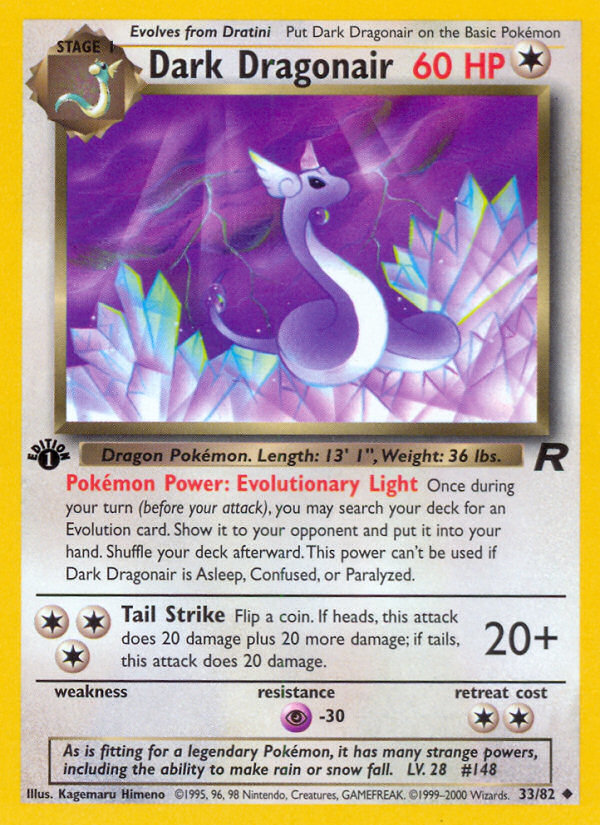
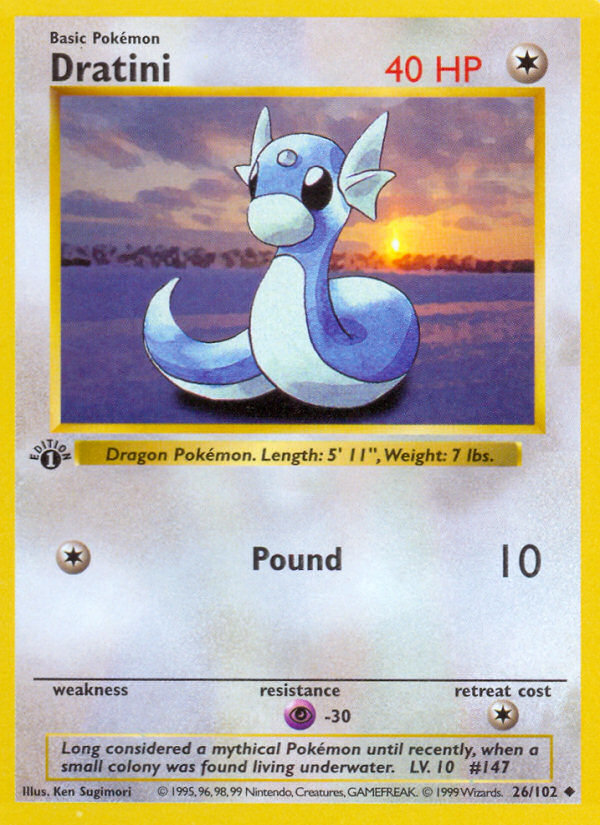
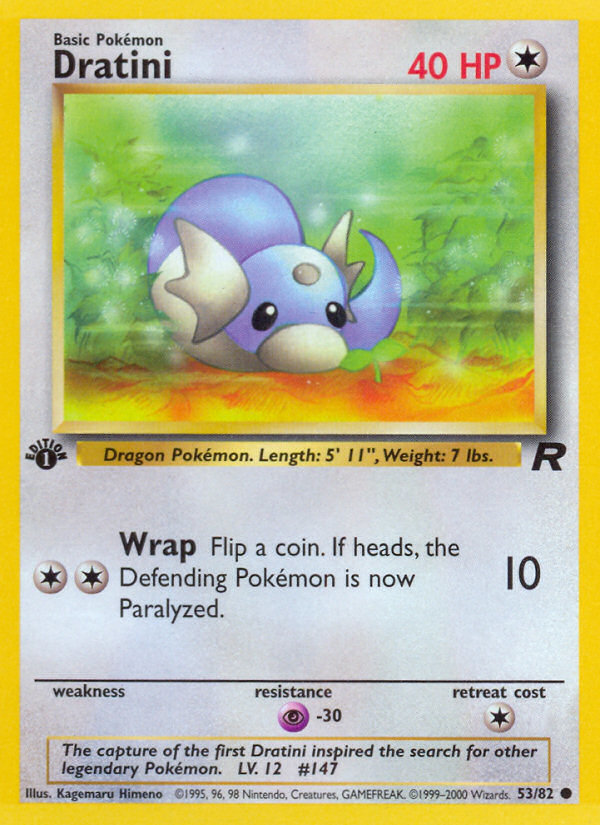
that Good Manners works especially well in conjunction with Dark Dragonair/Dark
Dragonite (fetching the Dratini or basic Mon that will get evolved through Dark
Dragonair’s Evolutionary Light). I doubt that Master Ball is very good in 15/3,
but it may have niche application.
Draw Cards (and Maybe Discard Cards)
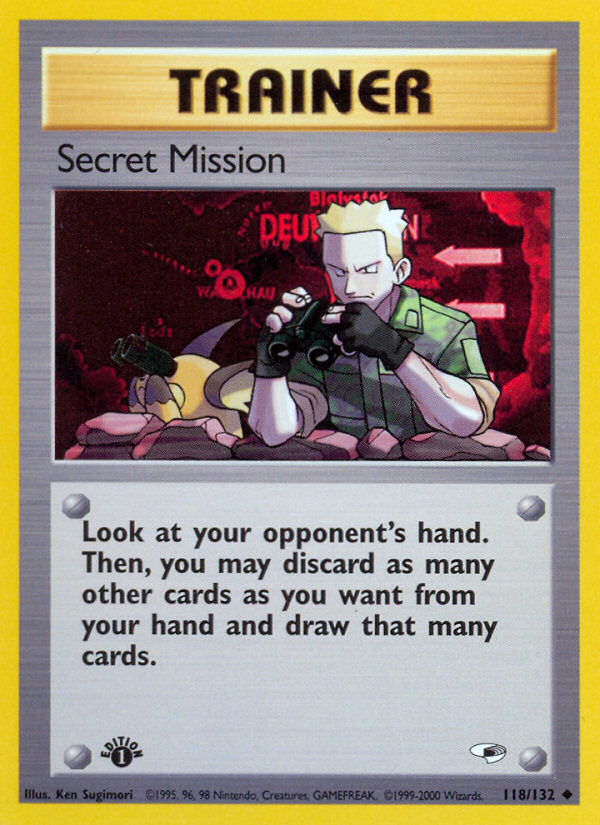
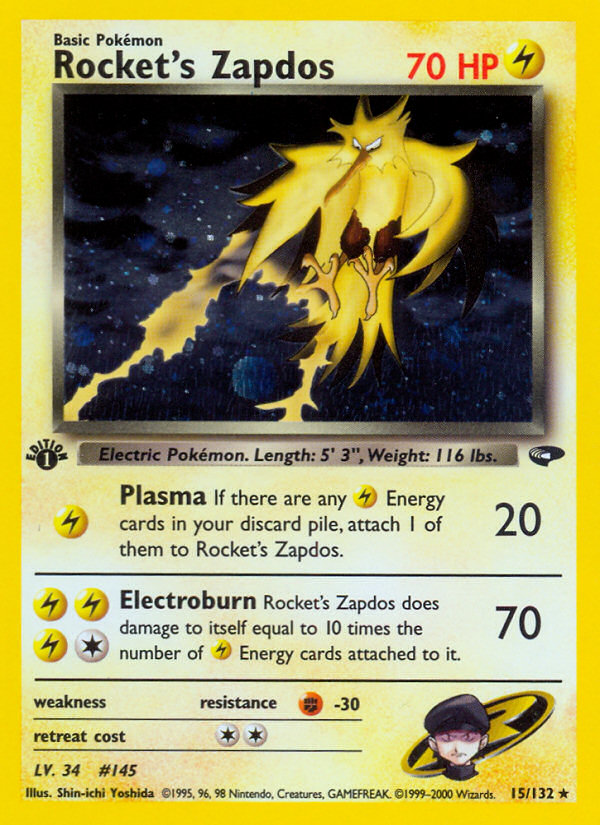
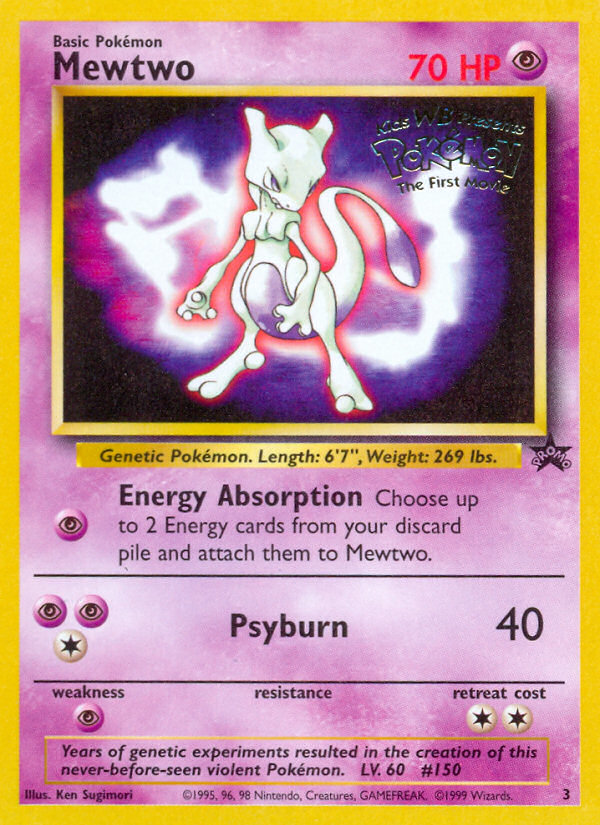
Note that discarding energy can be an important setup for
some Pokemon attacks (like with Rocket’s Zapdos or Promo Mewtwo)!
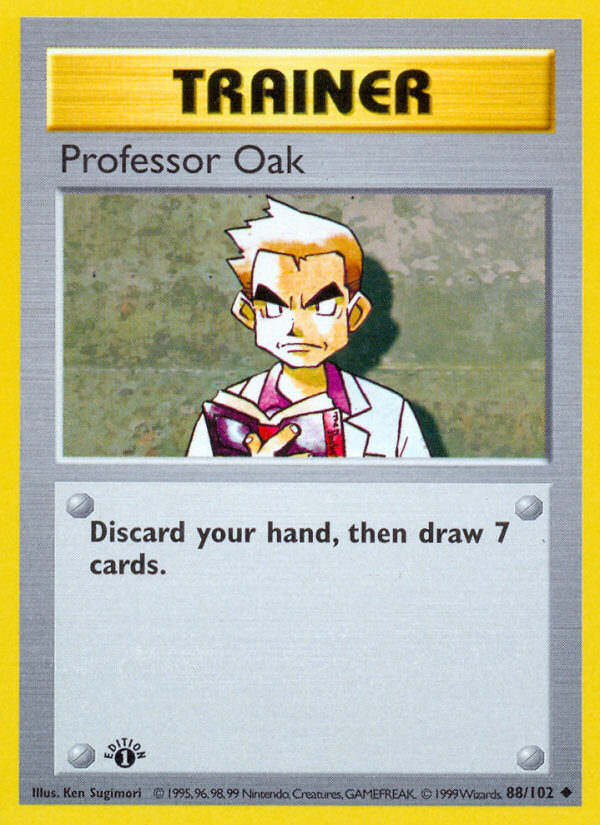
Staples: Professor Oak is the likely the most-included
trainer of 15/3; most likely only decks playing a slower, more resource-focused
(or focuses on Computer Error) will think to not play the full complement of
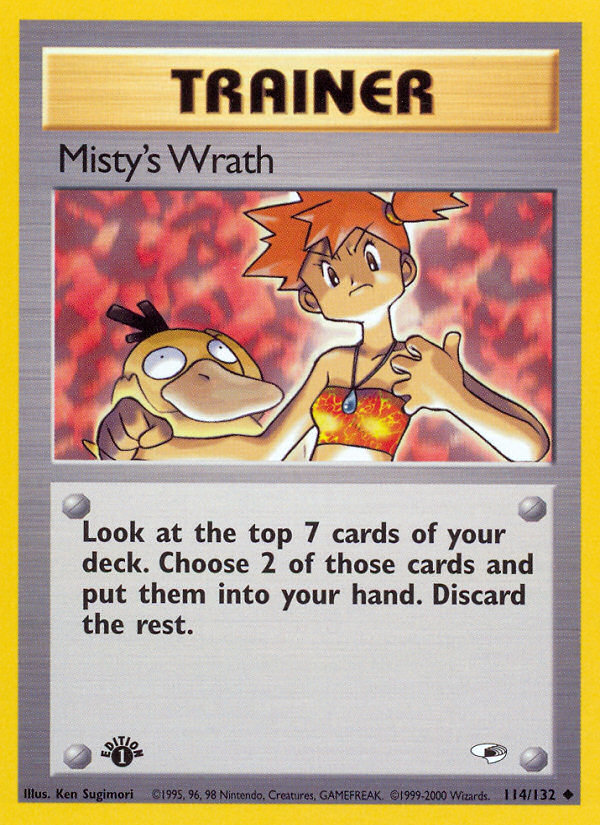
three. Misty’s Wrath is the other high-powered “draw” Trainer, giving players
options beyond the first six Computer Search/Professor Oak cards to see a lot
of cards without a coin flip or some other drawback. I find that Misty’s Wrath
is sometimes better than some number of Computer Search in decks that are
looking to take all six prizes and need a lot of resources to do so.
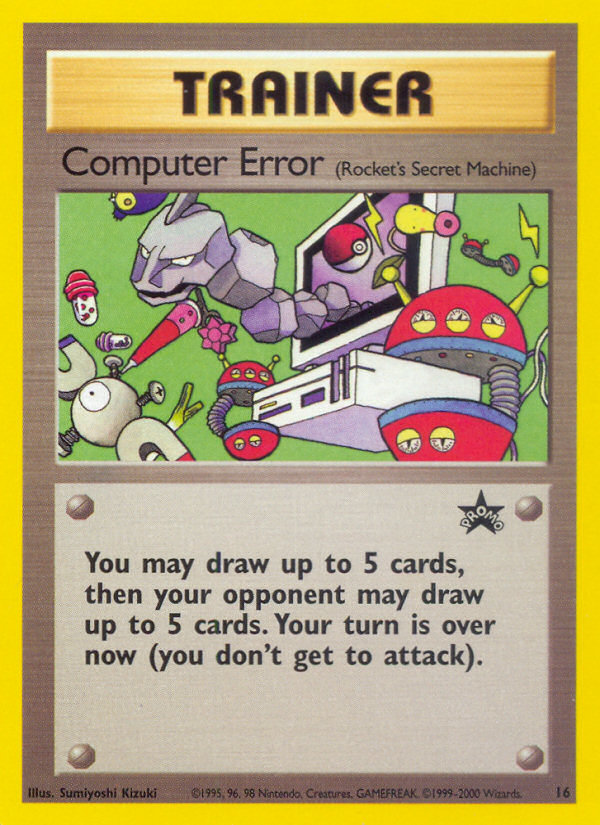
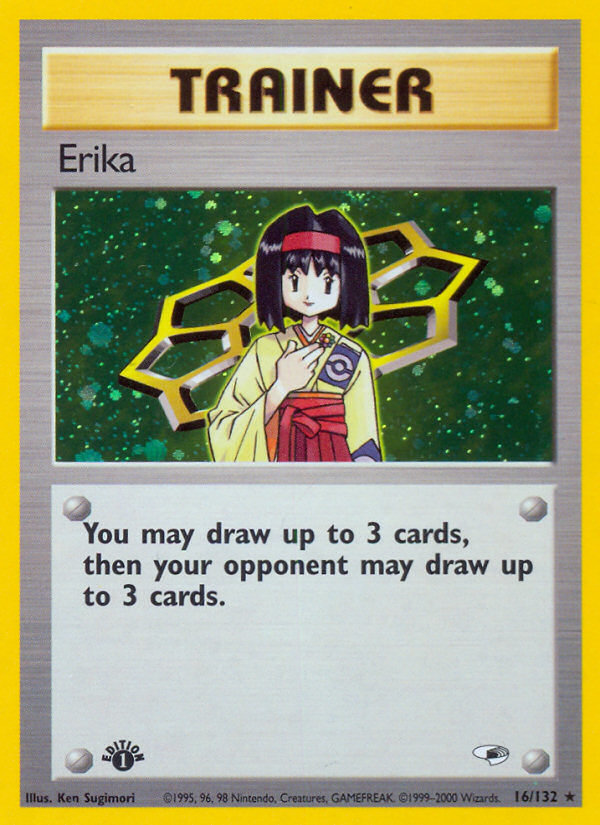
Fringe: Computer Error (and to a lesser extent, Erika) offer
massive card draw without discard at the cost of both players drawing (and
Error ending the turn). Rain dance decks seem to be the best leveraged to break
the symmetry of the card draw, but following up with disruptive trainers can
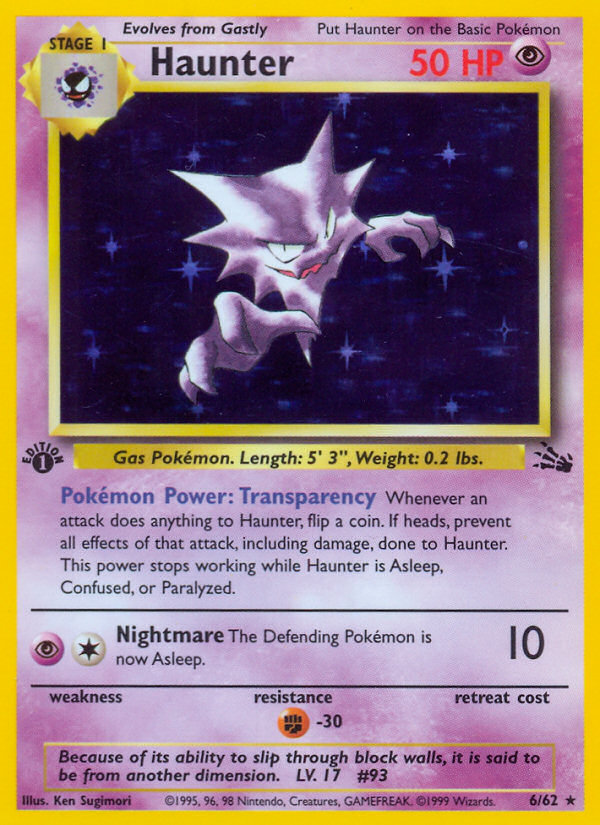
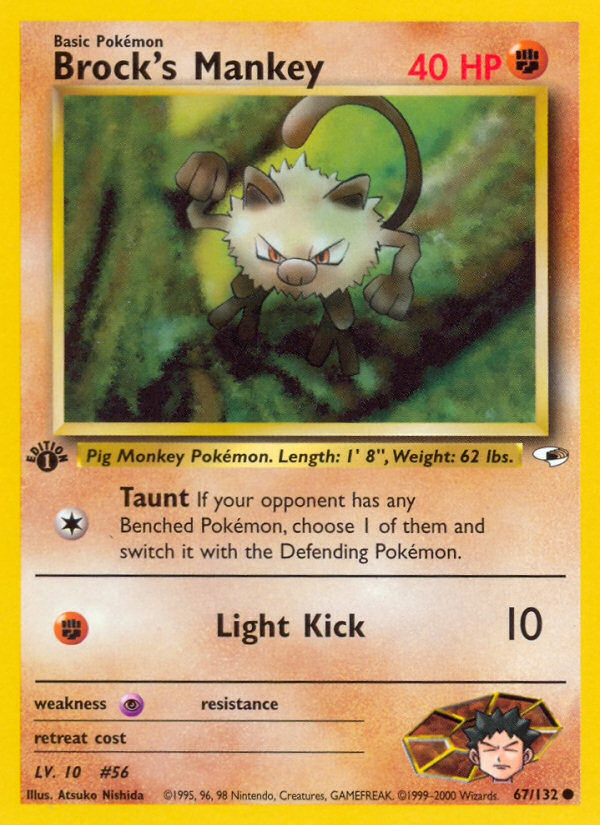
also break parity. I can imagine a stall strategy (maybe with Haunter and Brock’s
Mankey) appreciating the opponent’s deck shrinking in size while drawing into
further disruption.
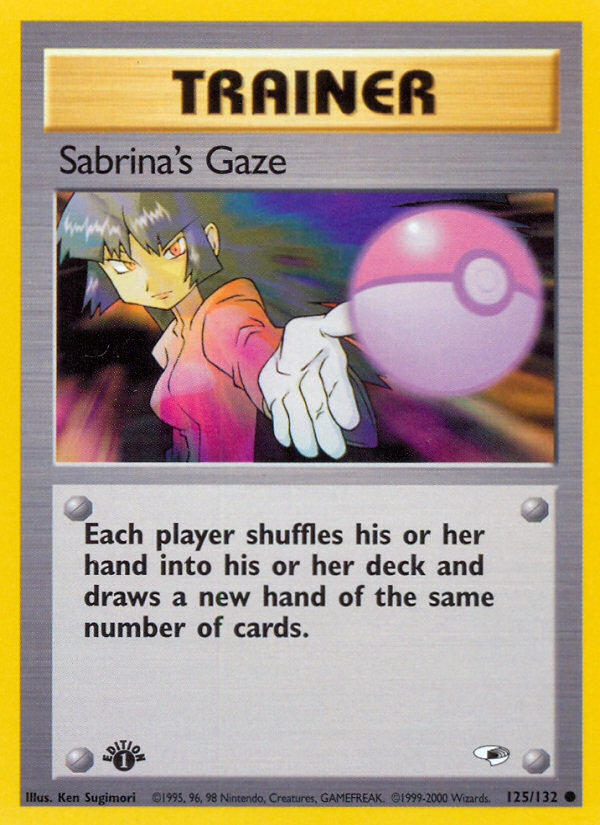
Both Sabrina’s Gaze and Secret Mission will refresh a player’s
hand (minus one card). Secret Mission is best when cards going to the discard
will not severely hamper a deck’s long term plan. Sabrina’s Gaze pairs nicely
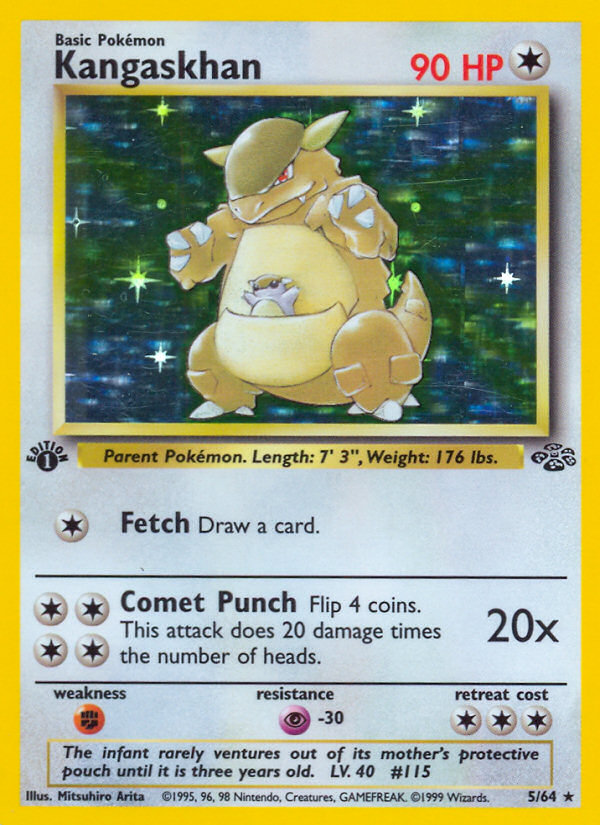
with Kangaskhan and/or Dark Dragonair (and offers some possible disruption),
but after testing it some, I feel it likely will not see much play (but might
make sense as a single copy).
Lastly, I have lost to Haymaker variants playing at least a
single Bill, but I have yet to build a list where I have liked it. In theory,
Bill just slightly changes the probabilities around a deck’s construction
without demanding any risk to play patterns. This is the poster for the true
cost of Prop 15/3’s Trainer restriction rule: each Bill means another, higher
impact Trainer will not be played.
High Risk, High (or Maybe Just Moderate) Reward
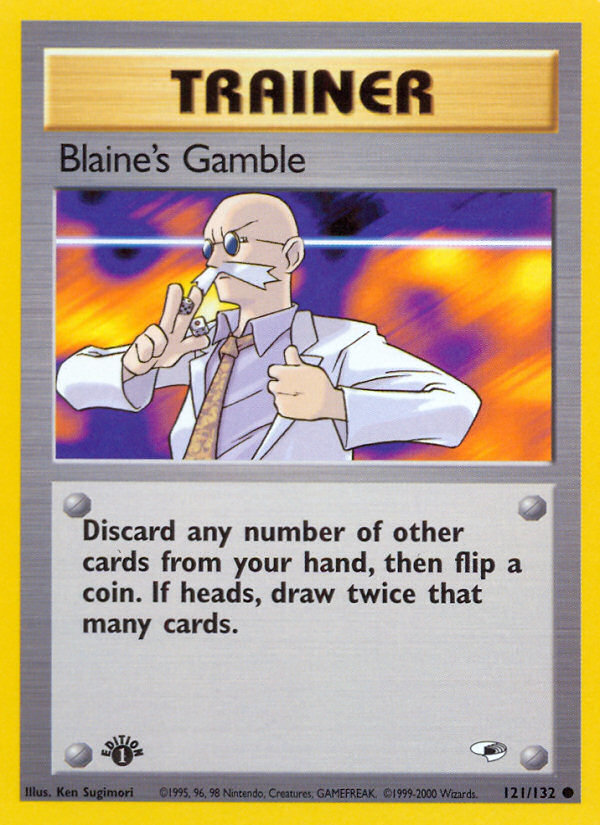
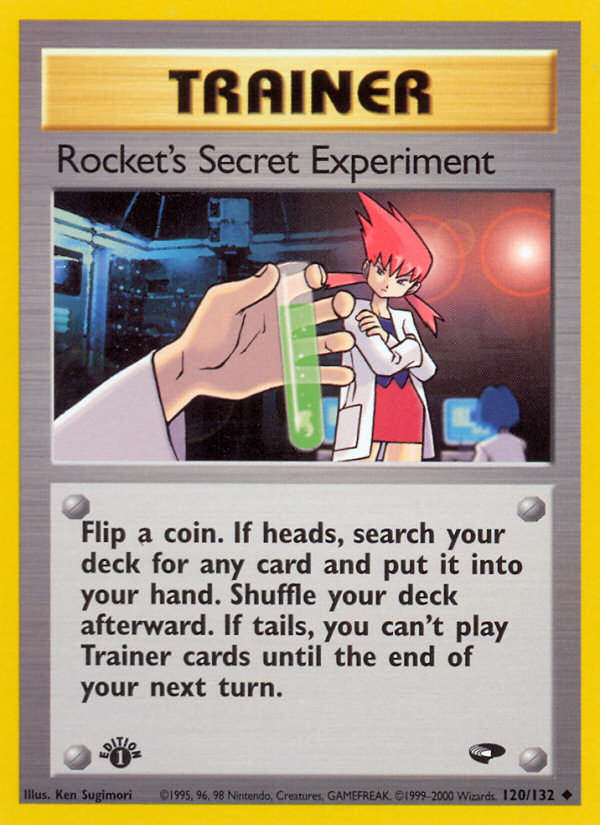
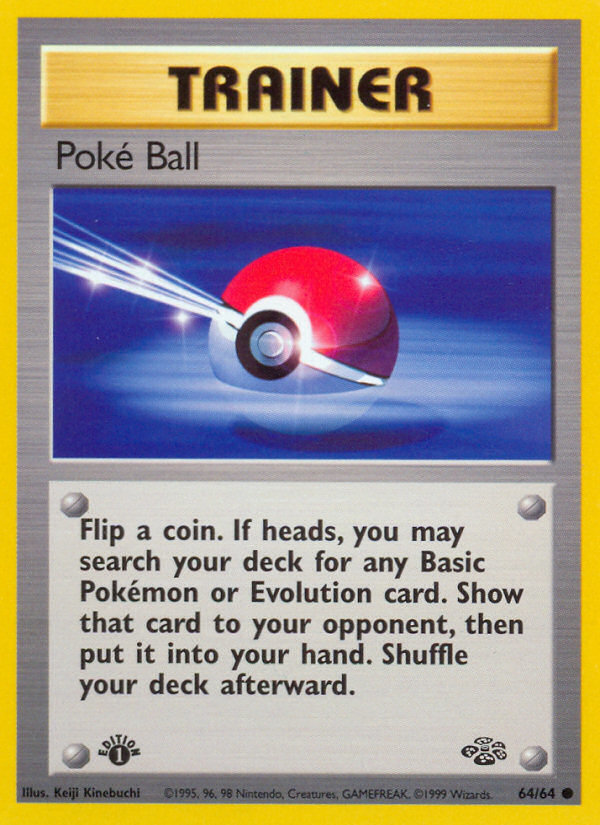
This class of card will fit into one of the previous
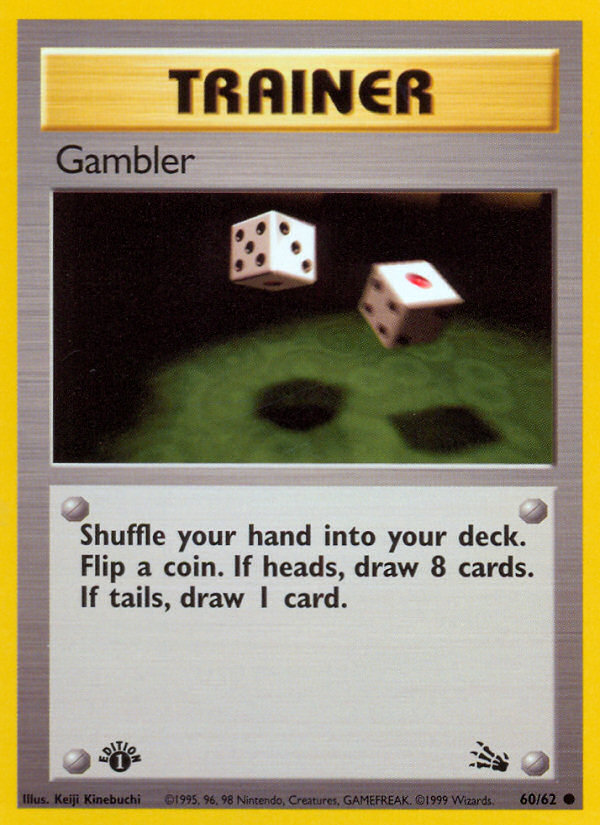
sections, but their unreliable nature warrants a separate discussion. Gambler
has extra utility for decks that may play a stall game. Some of these cards may
be what a deck desperately needs to compete (if you can flip heads)! I really
don’t have much experience with this class of card, but most likely, these are
more fun/fringe than competitive.
Glue Summary
I assume 5-6 cards (1-2 Computer Search and 2 Professor Oak with
some number of Item Finders) is the minimum glue needed for most decks. These
decks don’t care about assembling Stage 1+ in a timely fashion or quickly
finishing the game. They have a large number of basics (possibly both Pokemon
and Energy), so expect to play card that discard other cards, such as Item
Finder.
Decks that are focused on setting up key Pokemon will often
play 7-10 glue Trainers (Computer Searches, Oaks, Pokemon Traders and maybe
some additional). Decks singularly focused on setting up a Mon or decks taking
a toolbox approach (and looking for Pokemon to be sources of interaction) may
dedicate almost all 15 Trainers to glue.)
2. Reuse / Restock
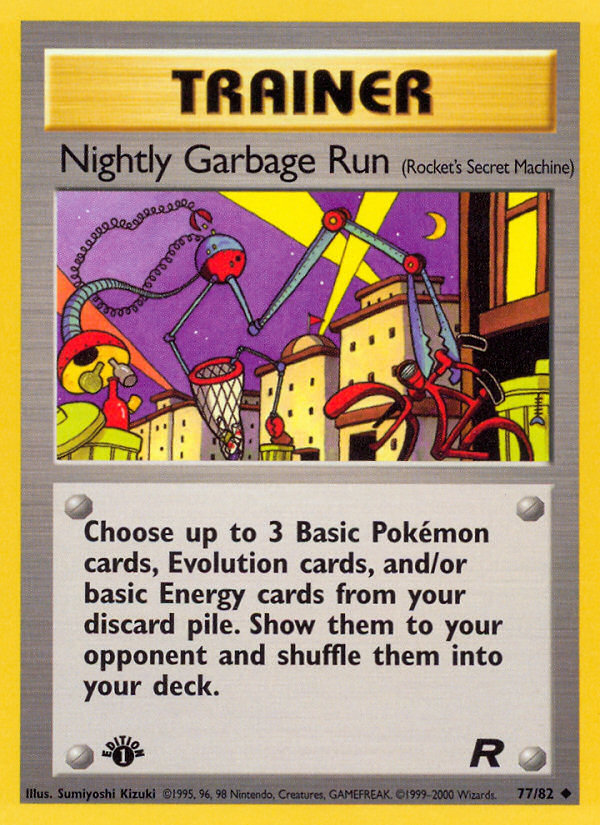
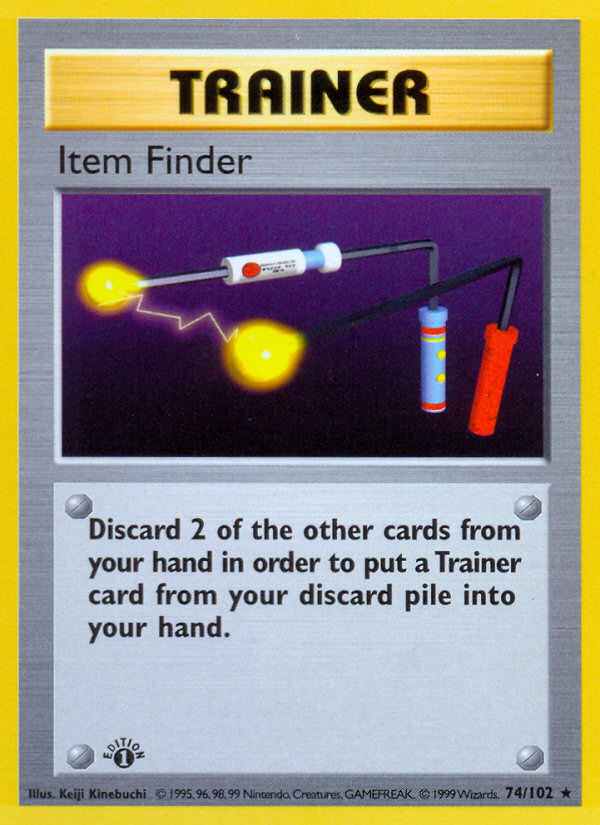
Of this class of card, I only consider Item Finder and
Nightly Garbage Run to be staples.
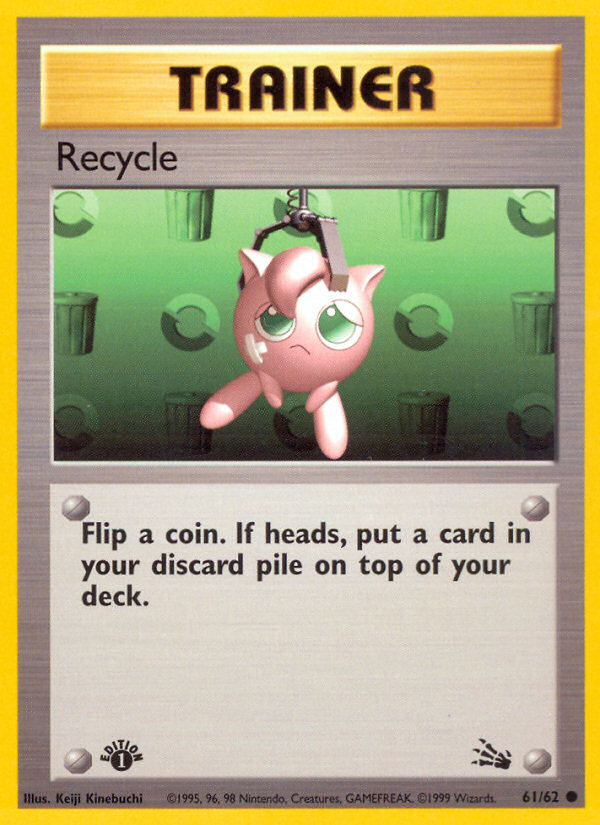
Nightly Garbage Run, Energy Retrieval, Item Finder and Recycle (with a coin flip…) act as additional copies of key cards when the first copy(-ies) can be accessed. These cards pair well with glue Trainers, but I have personally never seen Recycle played (and only have a theory that a single Energy Retrieval with Nightly Garbage Run and some number of Item Finders may combine to facilitate a large array of Stage1-2 of Pokemon with only 15-18 energy). Item Finder is quietly one of the best cards in the format, allowing decks to play a single Trainer two or more times (depending on Item Finders) during a game; it is both component in many top-tier decks.
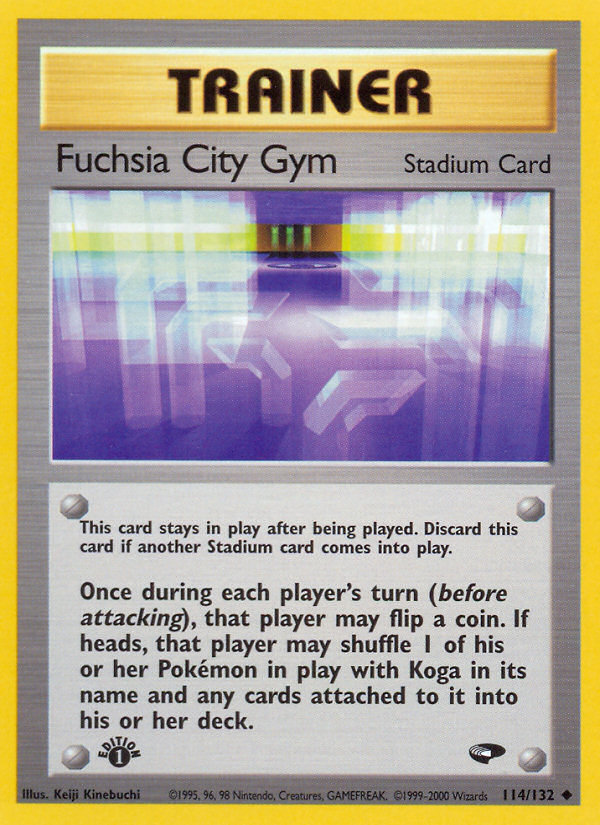
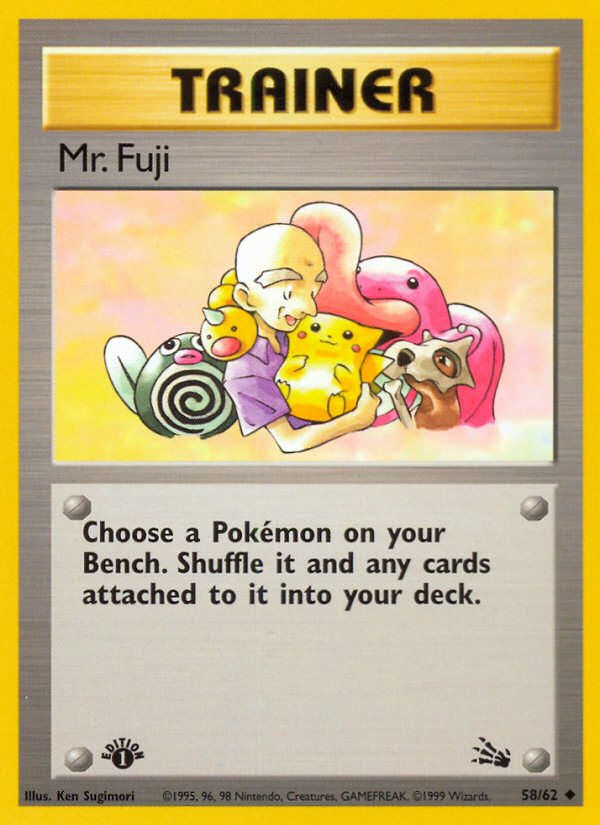
Fuchsia City Gym, Mr. Fuji, Nightly Garbage Run, Gambler and
Recycle can be used to add cards to the deck (and prevent losing by drawing
every card) when matches are expected to go long. Nightly Garbage Run might be
one of my favorite tools for decks (especially those with Dark Dragon tool boxes
and/or Misty’s Wrath) to safely discard cards and have access to them later in
the game.
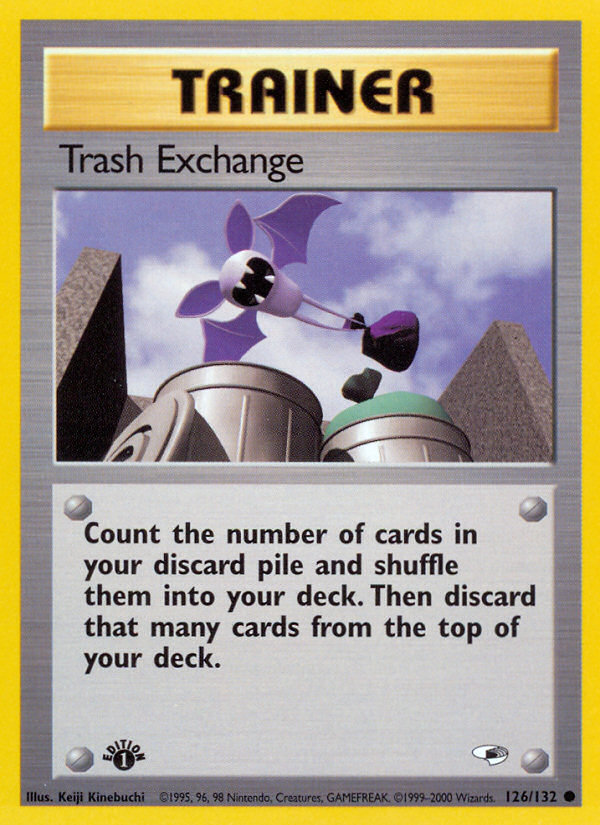
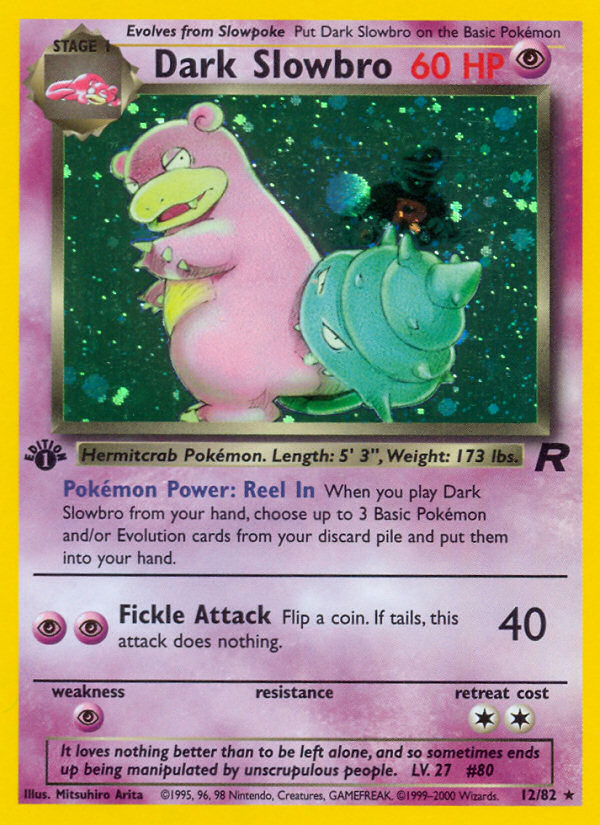
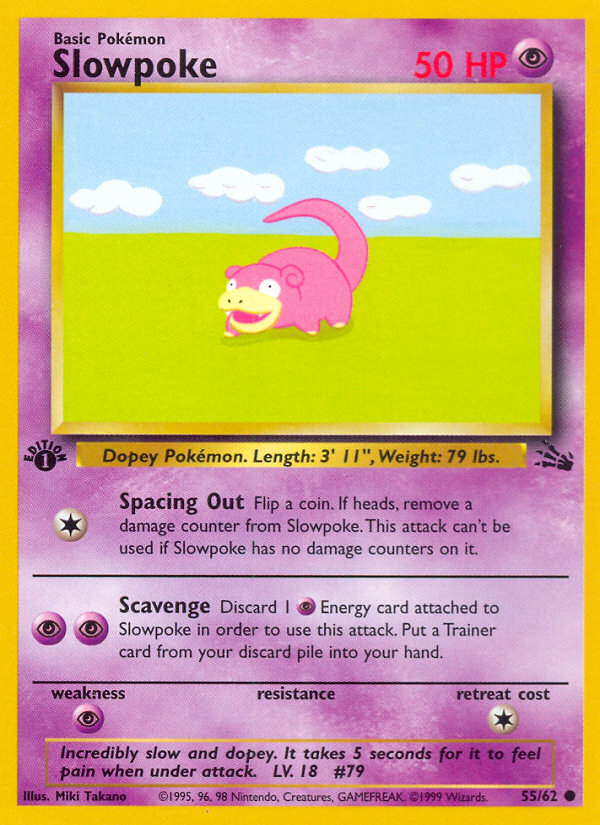
And while Recycle is clearly a risky card, Trash Exchange
might be a similar gamble with the outcome mostly random. Psychic decks with Mon
similar Dark Slowbro, Fossil Slowpoke and/or Fossil Gastly *might* be able to leverage
a singular Trash Exchange to restock key cards.

3. Disruption
These cards are the best tools to surprise your opponent
(and win games)! I would say that everything listed is closer to fringe
playable beyond the following staples: Gust of Wind, Super Energy Removal,
Energy Removal, The Rocket’s Training Gym, PlusPower, Chaos Gym.
Opposing Active Manipulation
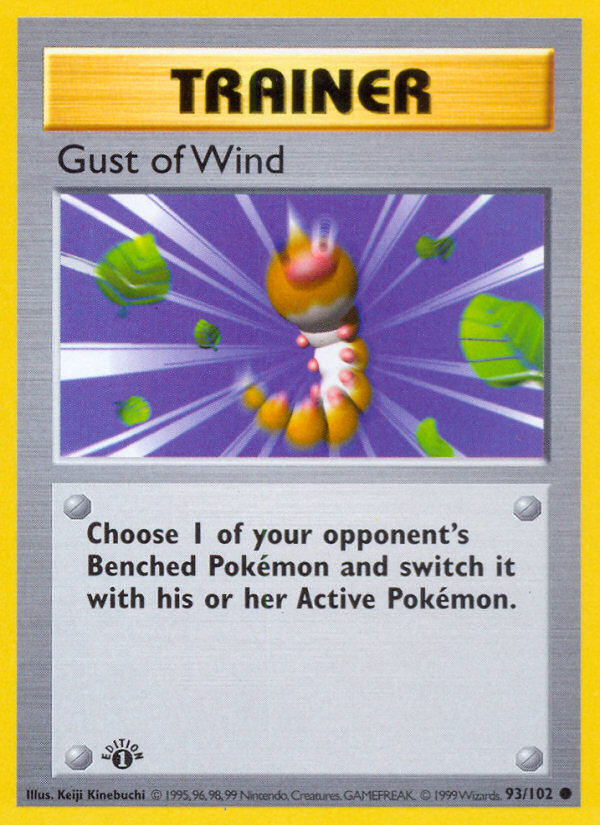
I assume most decks must have access to Gust of Wind unless
they are dedicated stall (though may also want a Gust); it has been one of the
strongest cards in many of my builds (but also can be next to useless and/or
hard to use at the correct time). Do not be afraid to use Gust to slow the
opponent down by forcing a strong attacker out of the active spot if that’s
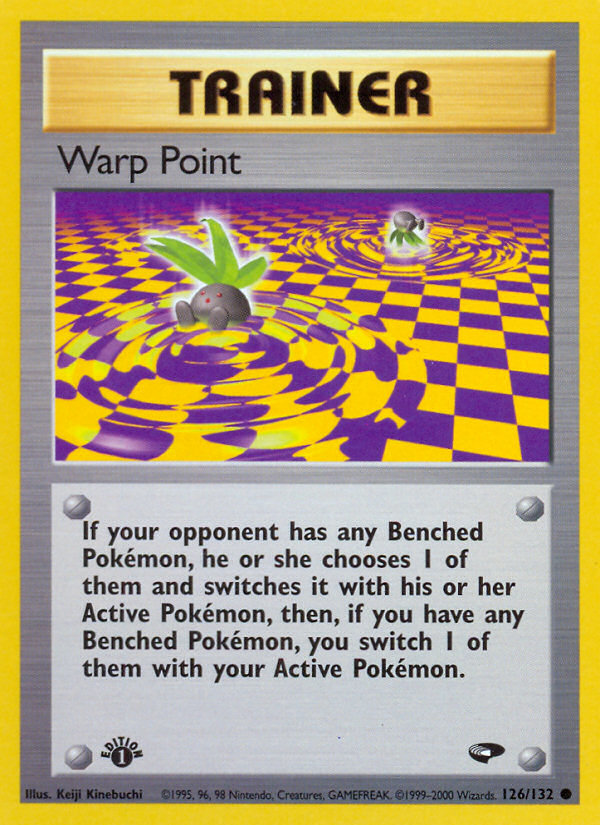
what is needed, but please use Gusts wisely! I could see Warp Point having some
edge use cases as a disruptive Switch (paired with free retreaters).
Energy Taxation
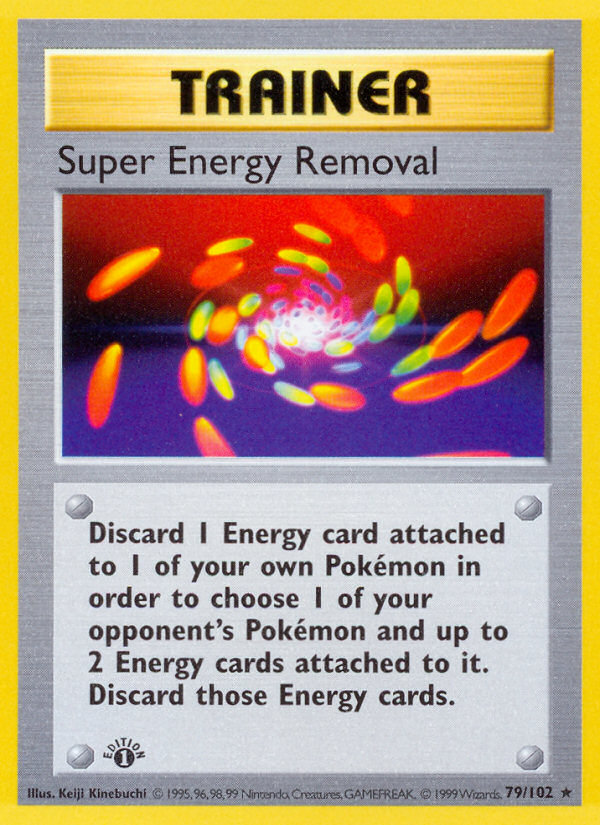
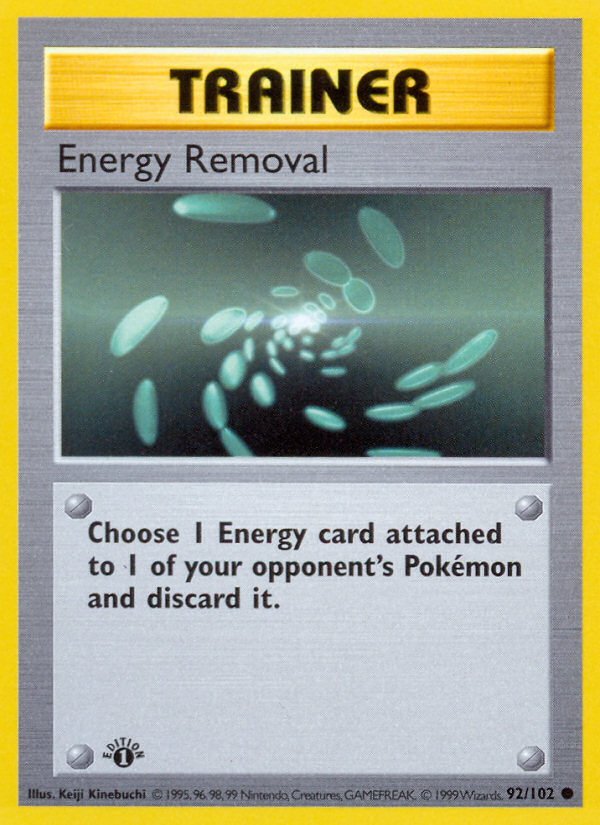
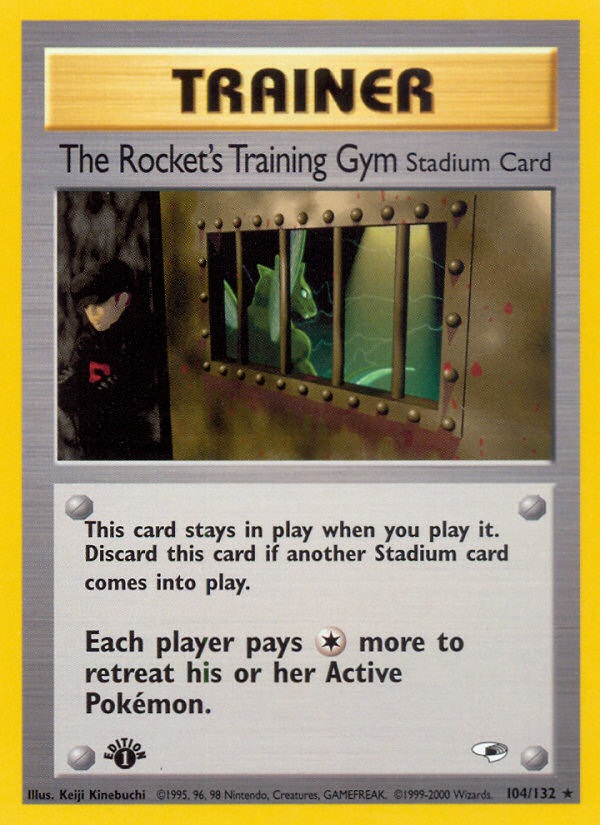
Next to Gust of Wind, Super Energy Removal is one of the strongest
Trainers in Prop 15/3 as a way to stall, to trap a Pokemon in the active or to
stop a high-energy-cost attacker from dishing out damage. I’ve found Energy
Removal and The Rocket’s Training Gym to shine when supplementing stall
strategies, but I’m sure they warrant looks in other strategies (as energy
denial can be so strong).
Additional Damage
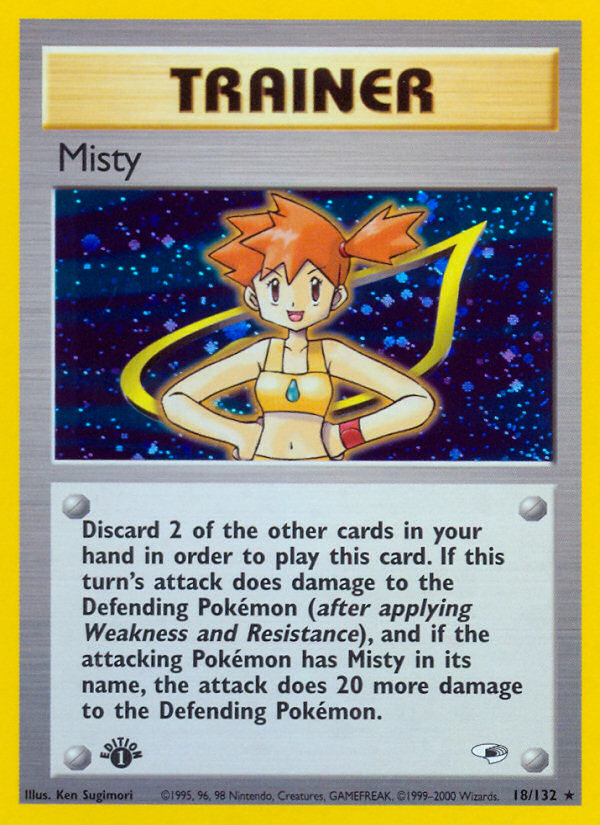
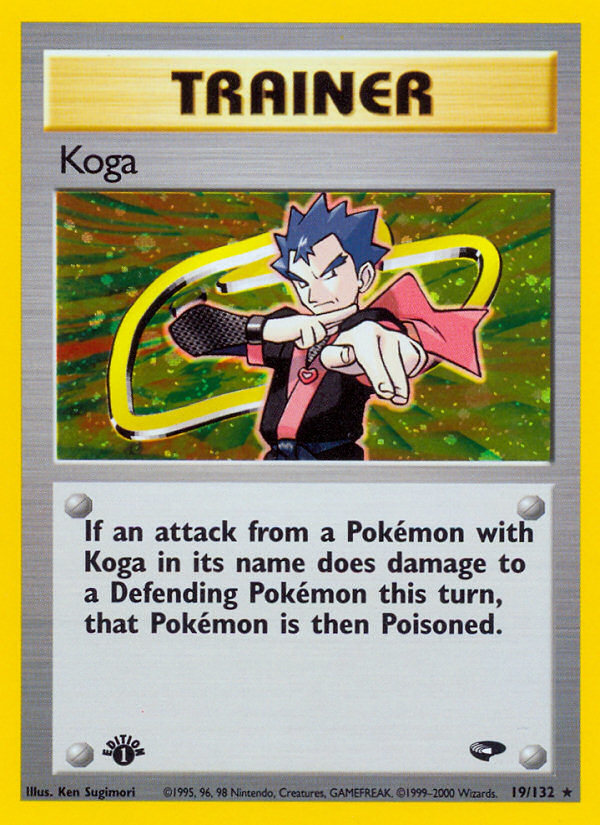
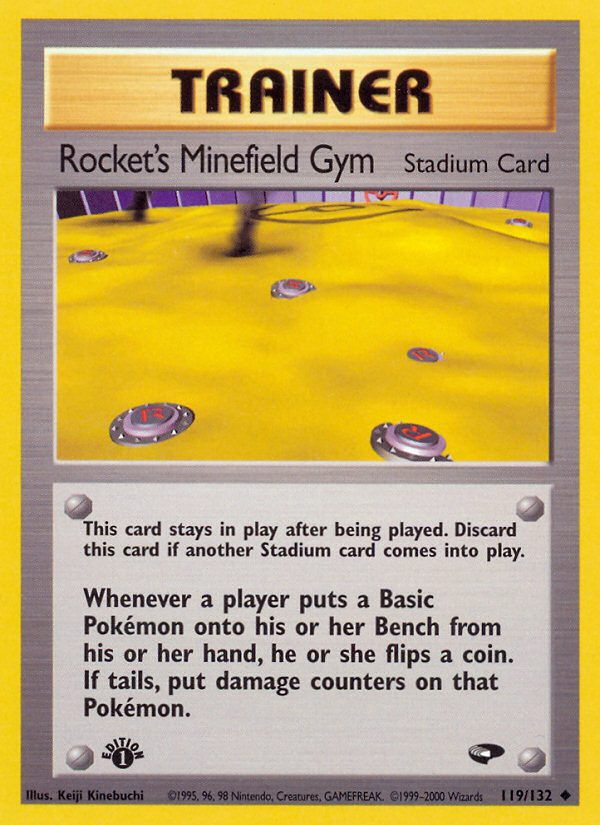
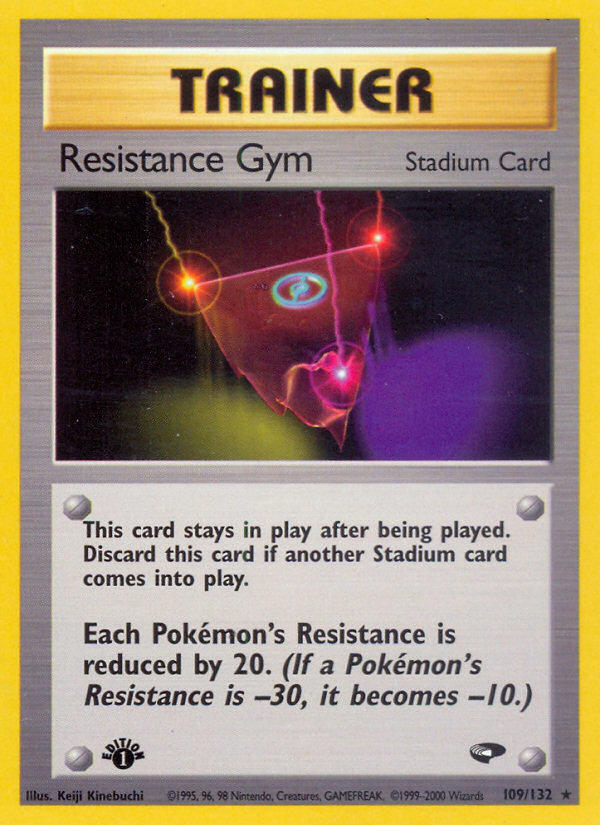
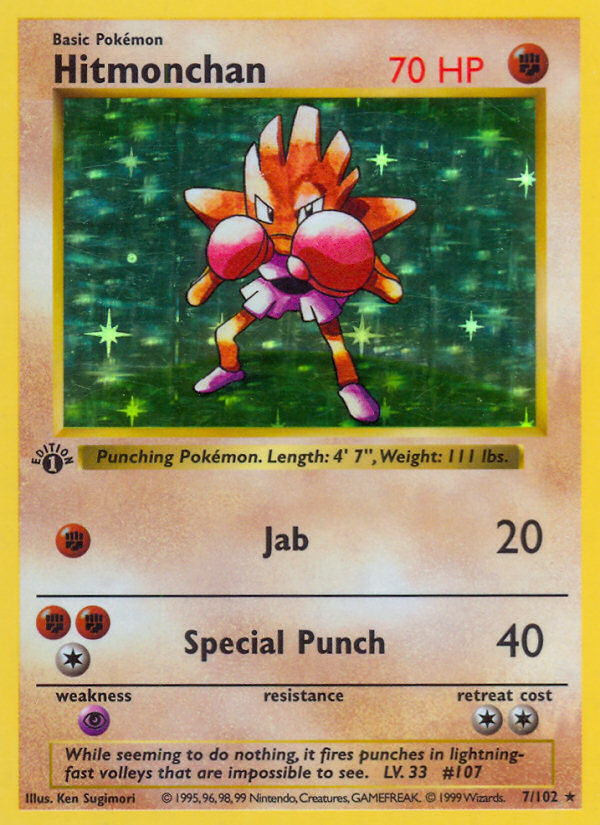
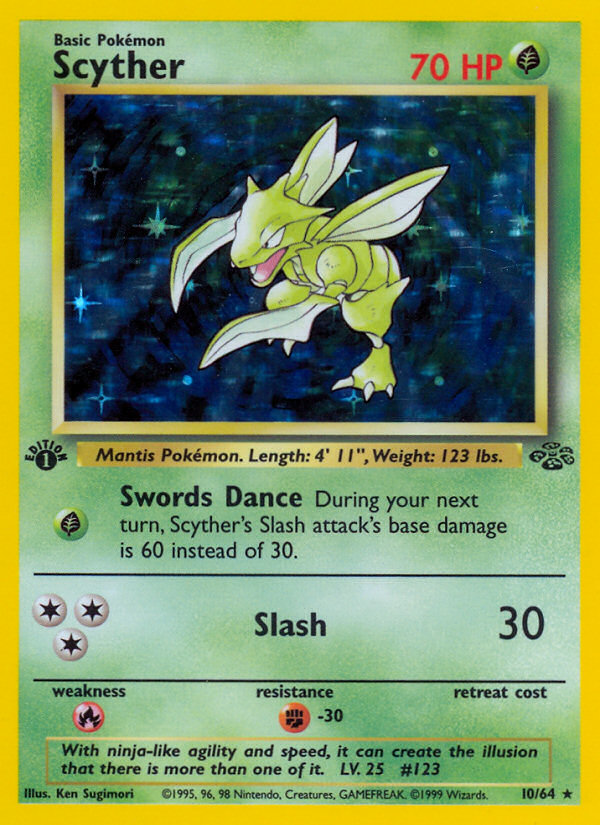
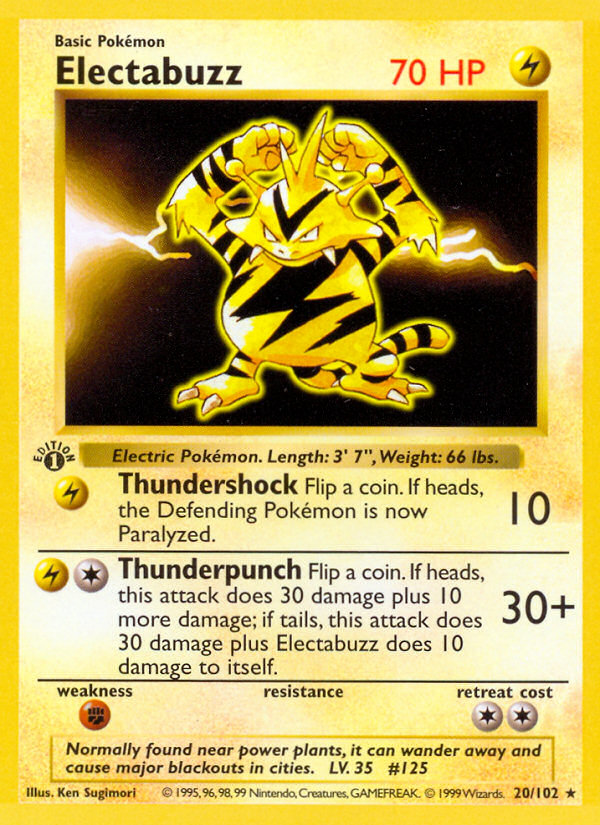
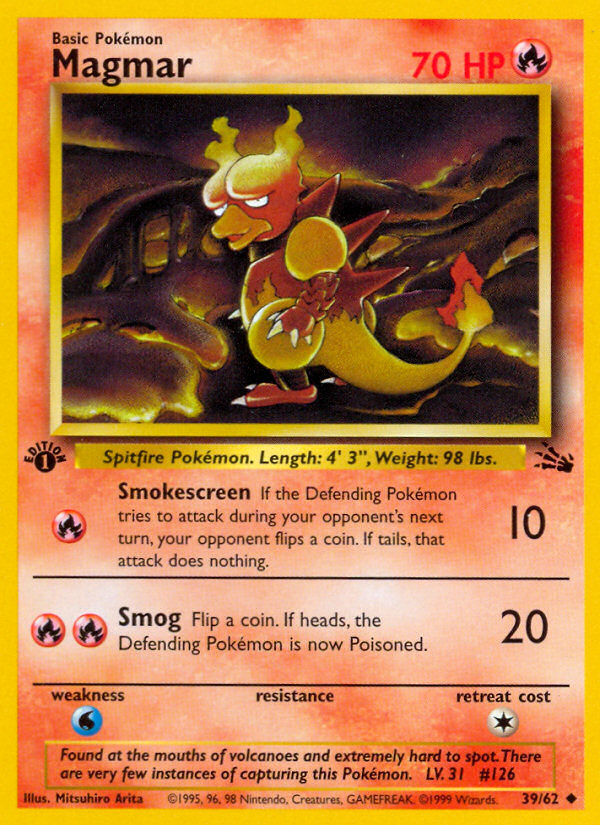
PlusPower, Misty, Koga, Rocket’s Minefield Gym (note that this places *2* damage counters) and
Resistance Gym are some of the few ways to sneak in extra damage to take prizes
a turn early. I have found a single PlusPower (or Misty/Koga!) and several Item
Finders to be the approach that I am most comfortable with, but I could see
Rocket’s Minefield Gym or Resistance Gym having a place in some decks. Resistance
Gym is most likely for Psychic decks and will provide the most “extra damage”
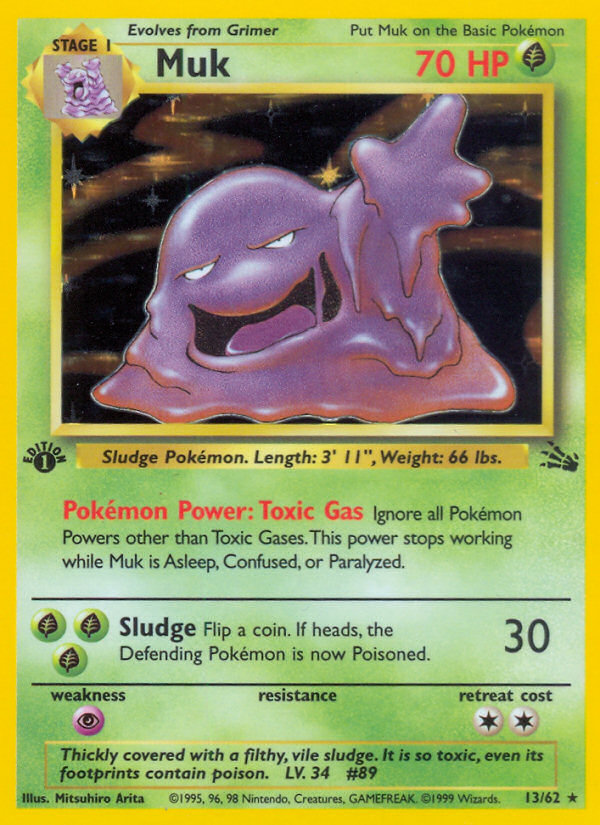
when it has impact. The Trainers that only add 10 damage are most useful for decks
that are dealing 60 damage with a single attack (to knock out Muk and Big
Basics in a single attack), but they can also just claim a surprise knock out
at any time when the math lines up!
Bench Disruption
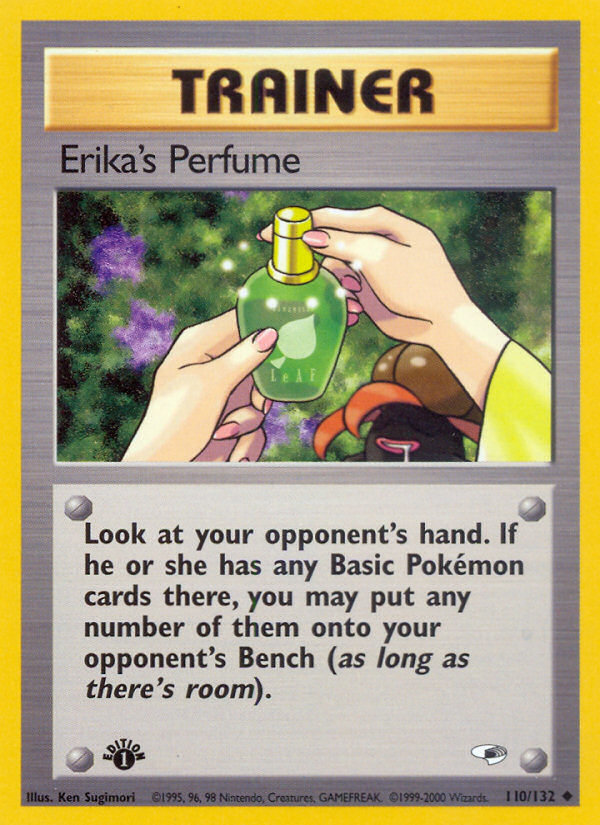
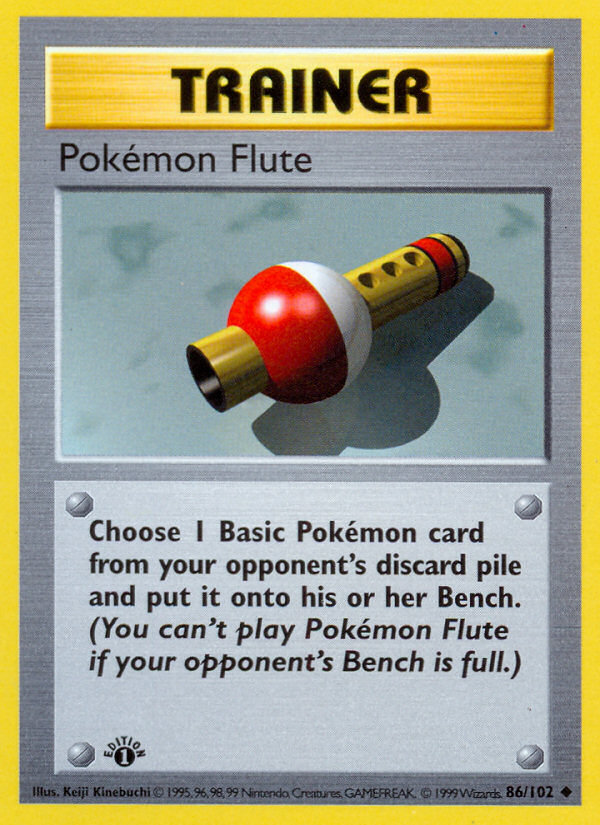
Erika’s Perfume or (less impactfully with) Pokemon Flute can clog up opposing benches with
undesirable Pokemon, especially if played in the later game when an opponent
has accumulated many cards in hand or the discard. This is a great way to power up a deck
dishing out damage to each benched Pokemon! It also may just stop an opponent
from developing important evolved Mon.
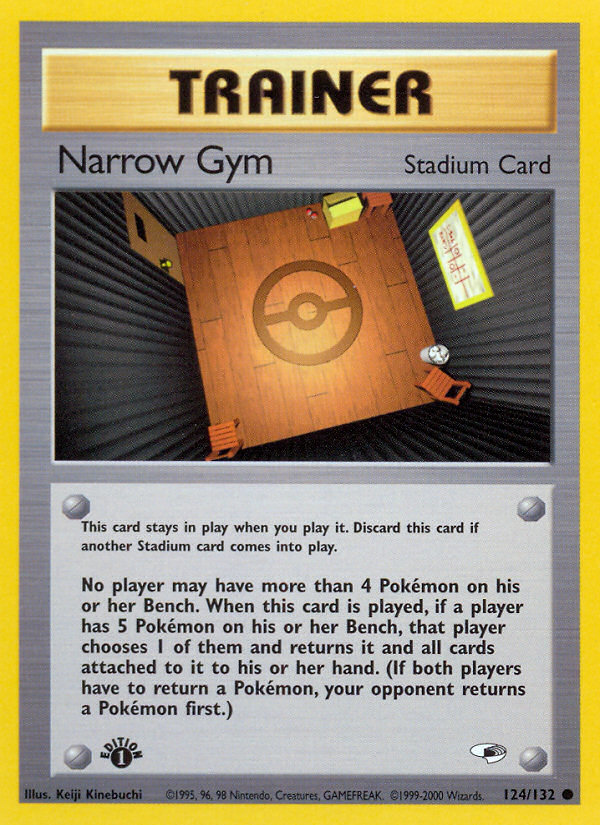
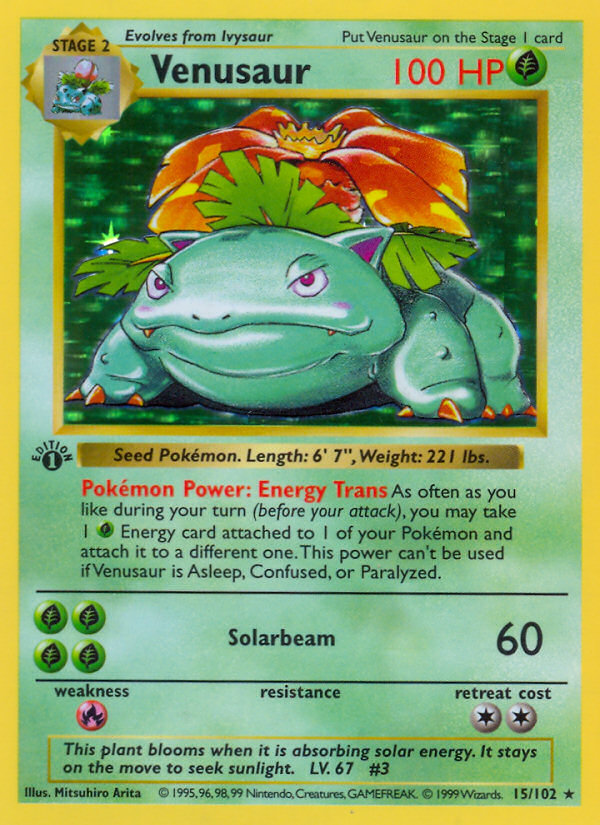
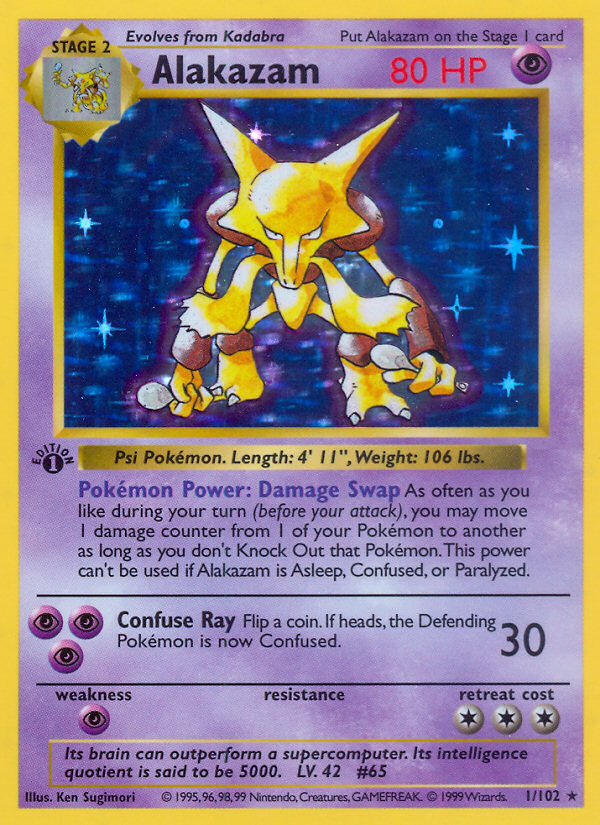
Narrow Gym is best at stopping decks that require many
different benched Pokemon, like Venusaur or Alakazam, to perform (including
reducing the amount of damage done by Wigglytuff). It also can punish decks
that take a toolbox approach to their Pokemon.

Hand/Trainer Disruption
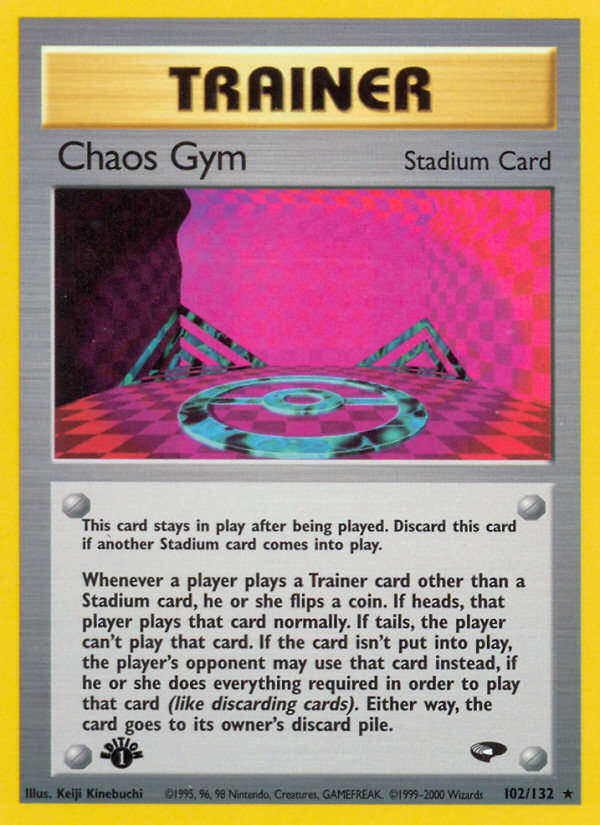

Chaos Gym is the scariest card in Prop 15/3: if you play it and an opponent flips heads one or two times in a row, you can find yourself behind and in the same spot that you thought to find the opponent! In my opinion, the threat of an opposing Chaos Gym is one of the greatest reasons to consider playing a strategy-relevant Stadium card to discard it, so I've written in-depth on how I am looking to approach the card.
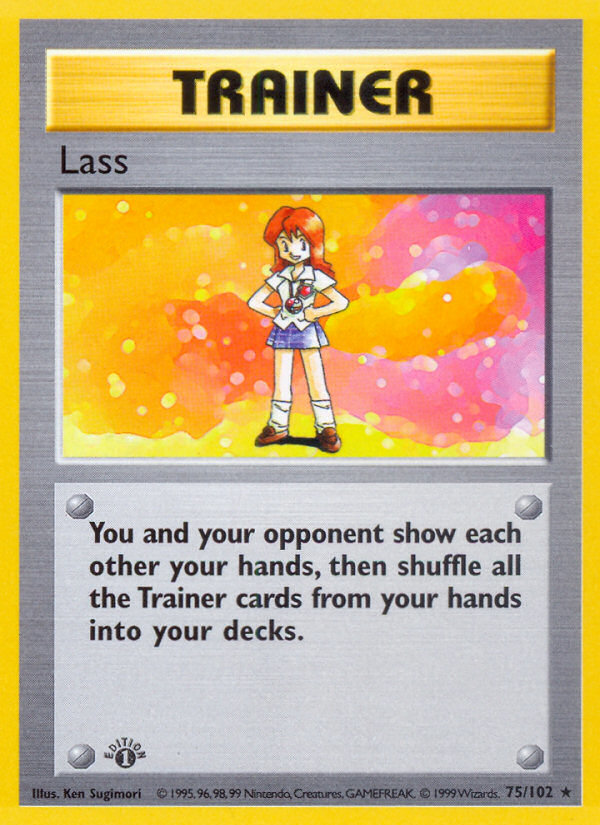
Lass can be similar to Chaos Gym, but it backfires when the
opponent draws a strong Trainer. I do really like Lass for decks that use Misty’s
Wrath and an overabundance of glue Trainers as a possible way to stop from
decking for a few more turns in the very ending turns of the game.
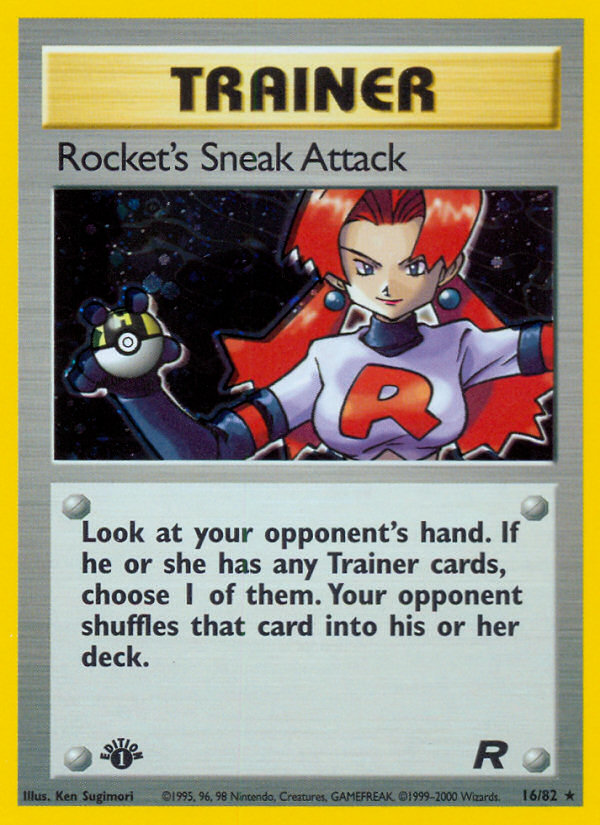
Rocket’s Sneak Attack, The Rocket’s Trap and Imposter
Professor Oak all seem too low impact for me to highly consider in a 15/3 deck,
but they could randomly steal a game here and there.
4. Protection

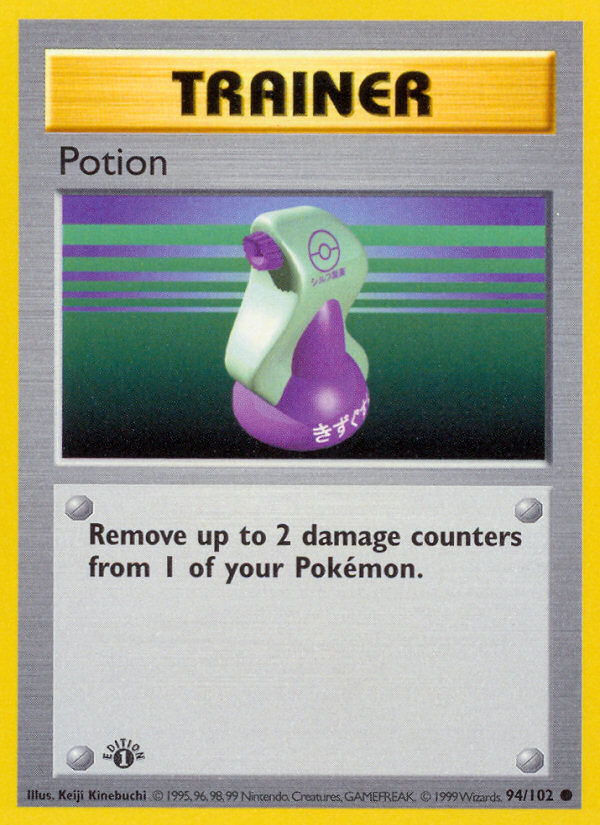
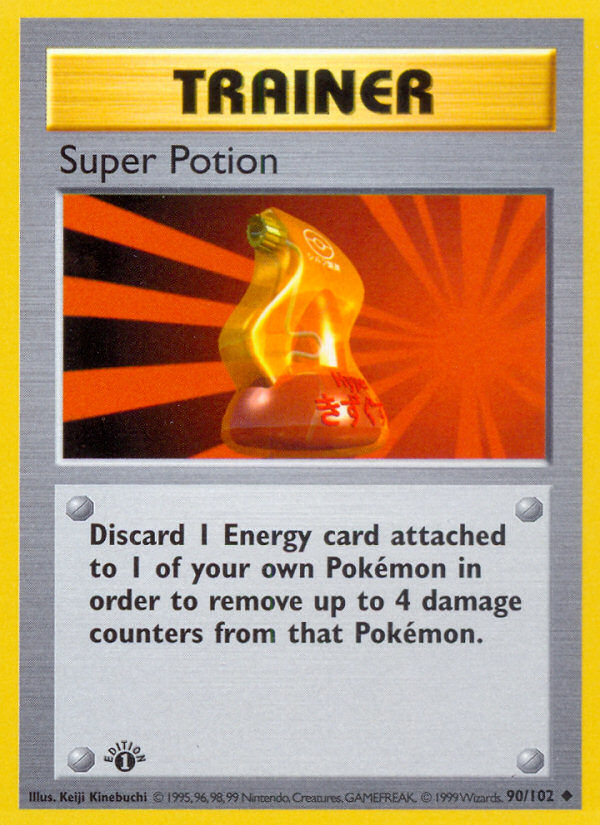
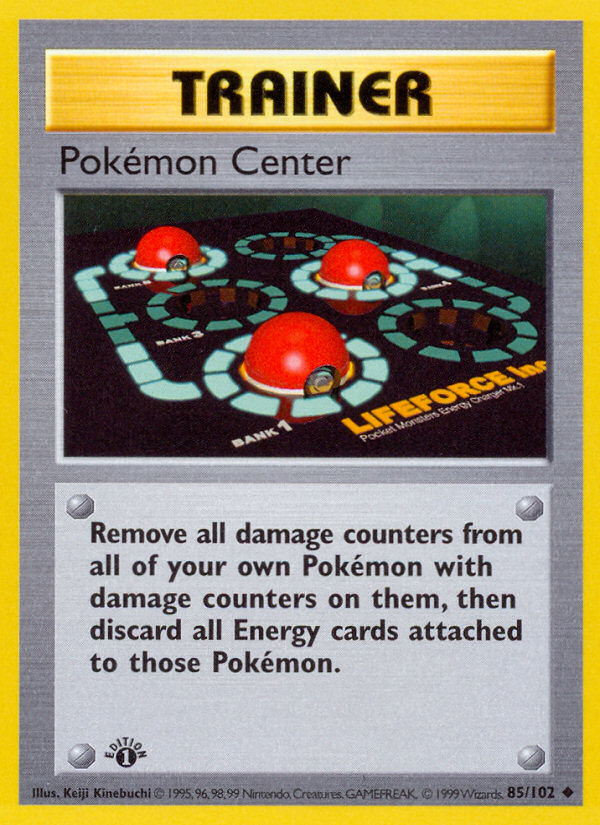
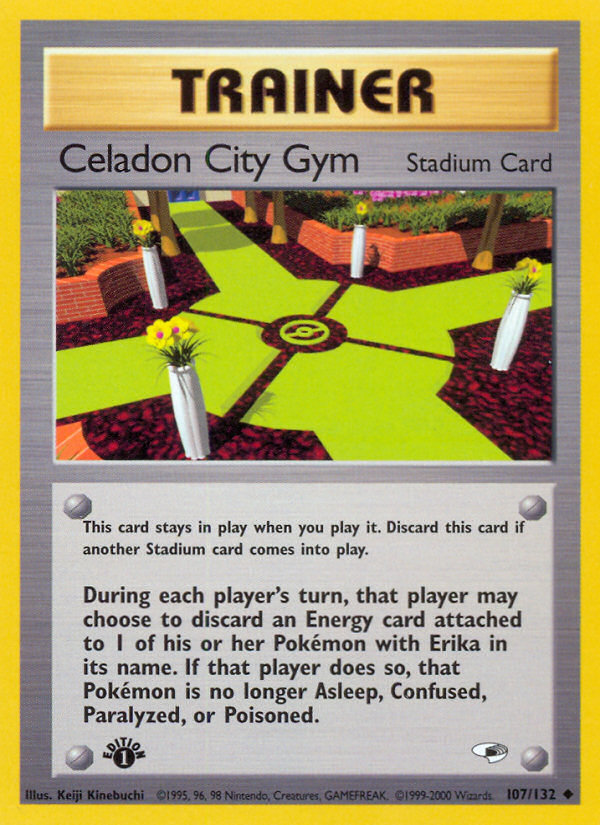
This class of card will either aim to stop knock outs, stop Energy disruption, save retreat costs and/or clear statuses. These act as a sort of disruption to the opponents' game plan but primarily further your game plan Of the cards that protect Pokemon, Scoop Up and Pokemon Center are the biggest staples.
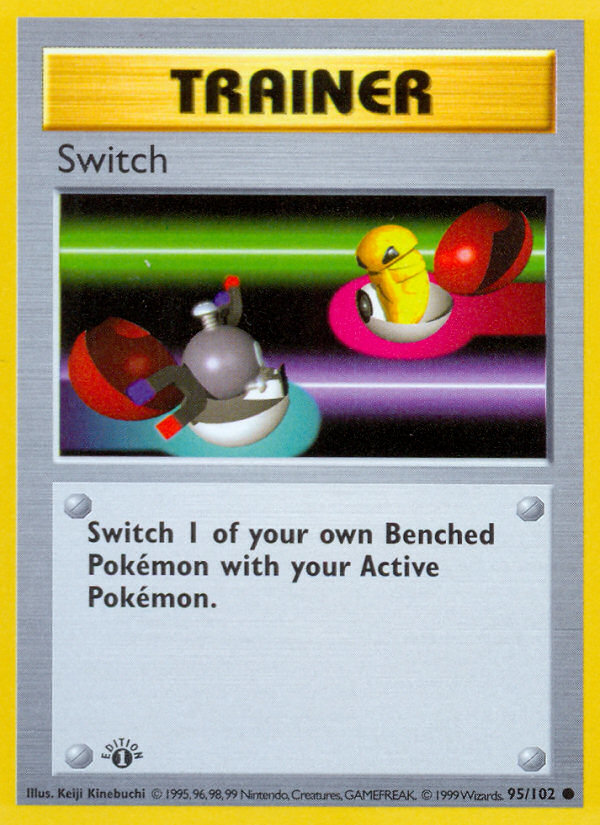
Scoop Up, Switch and to a lesser extent, Warp Point are key cards to save energy placements while facilitating proper Pokemon are in the active spot; they are 0-energy “retreats”. Scoop Up, Fuchsia City Gym, Mr. Fuji and Narrow Gym also can deny opponent’s prizes by taking damaged or vulnerable Pokemon off the playing field completely.
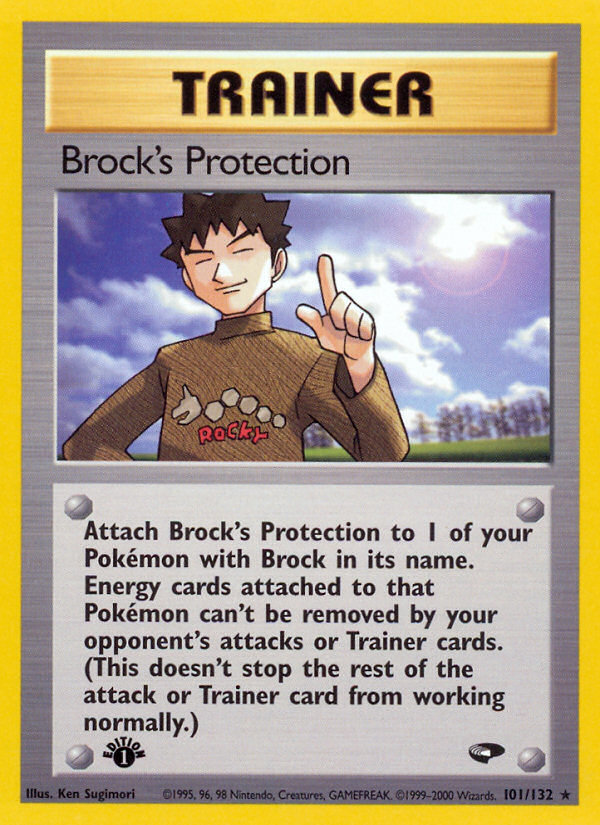
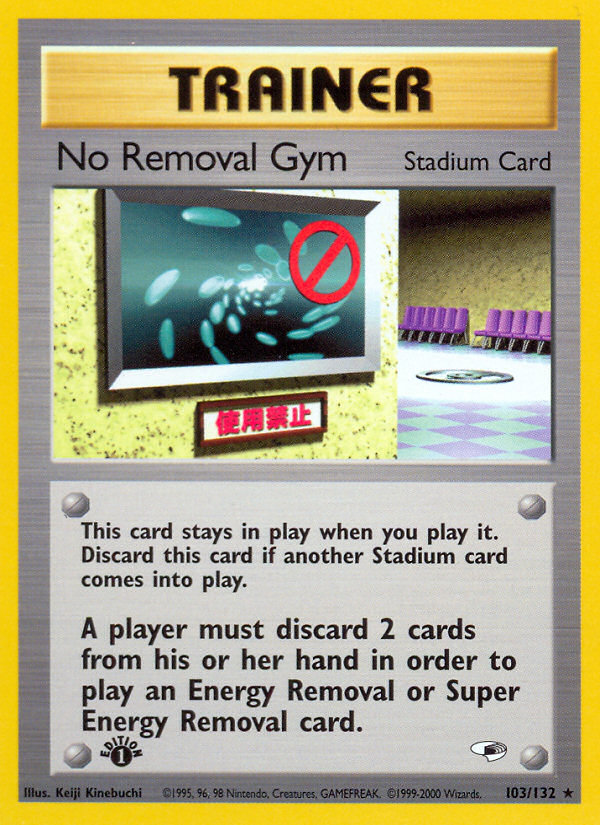
To protect against Energy taxation, Brock’s Protection and
No Removal Gym are all we really have. Very Energy-hungry and Buzzap decks
should really consider No Removal Gym, while any deck not playing Energy
Removals may consider the Gym to counter others and make opponents really have
to pay for their removals. Brock’s Protection might make sense in a Brock’s-Pokemon
deck, but I wager it may only be in such a deck with Buzzap and Brock’s
Ninetales).
The last class of card is for healing Pokemon of damage and
statuses. Celadon City Gym gives Erika-Pokemon-based decks a strong way to
ensure Paralysis and other effects won’t slow the deck down as often (beyond
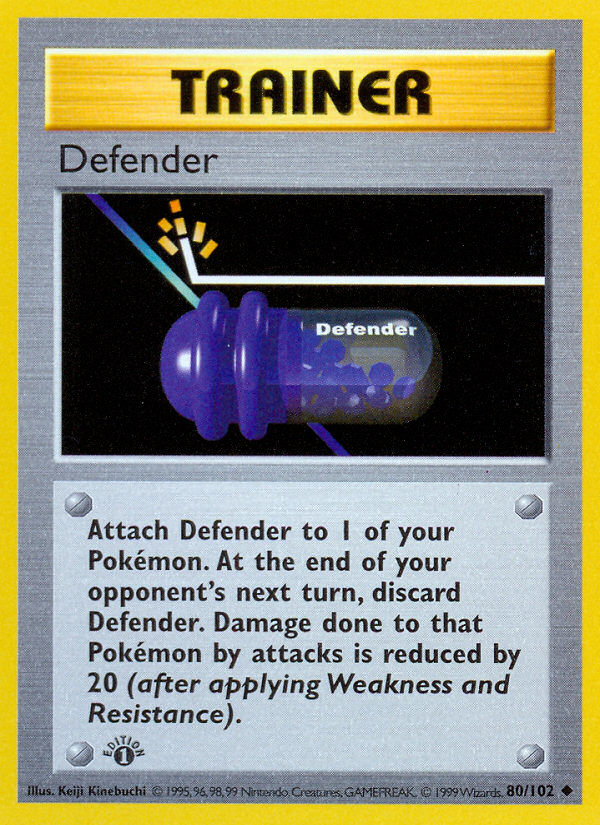
the retreat aids above). Of the singular damage healing cards, Defender may see
some play when a Pokemon self-damages, and I haven’t seen a great use-case for
Potion (but it may exist like there are some for PlusPower), but I do think
that Super Potion warrants a spot in decks that can sneak Energy into play more
than once per turn or really want an attacker to last many turns!
Of all of the Trainers, Pokemon Center may be one of the
strongest! It can single handedly erase *many* turns of attacks, especially
when combined with Pokemon Powers and/or strategic retreating. Pokemon that
attack effectively for a single Energy can also leverage this incredibly
powerful card.
Niche Use Cases
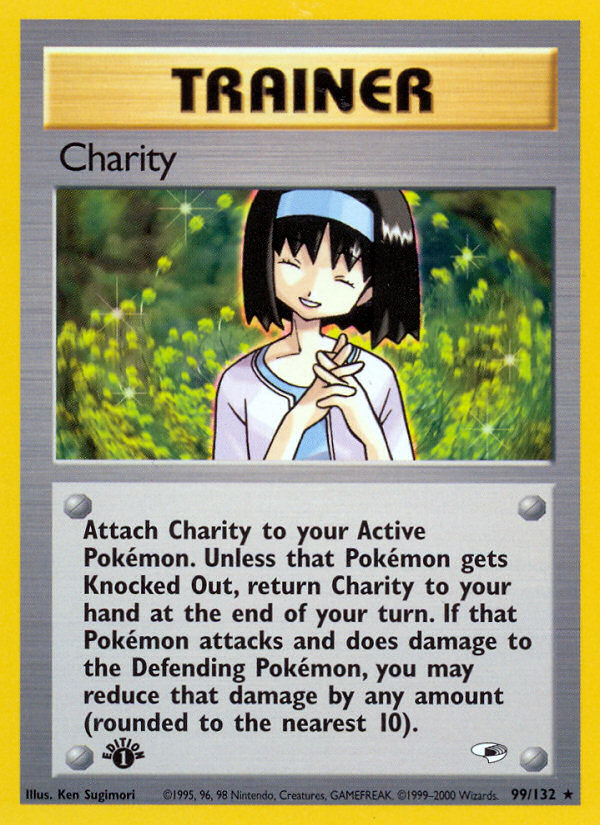
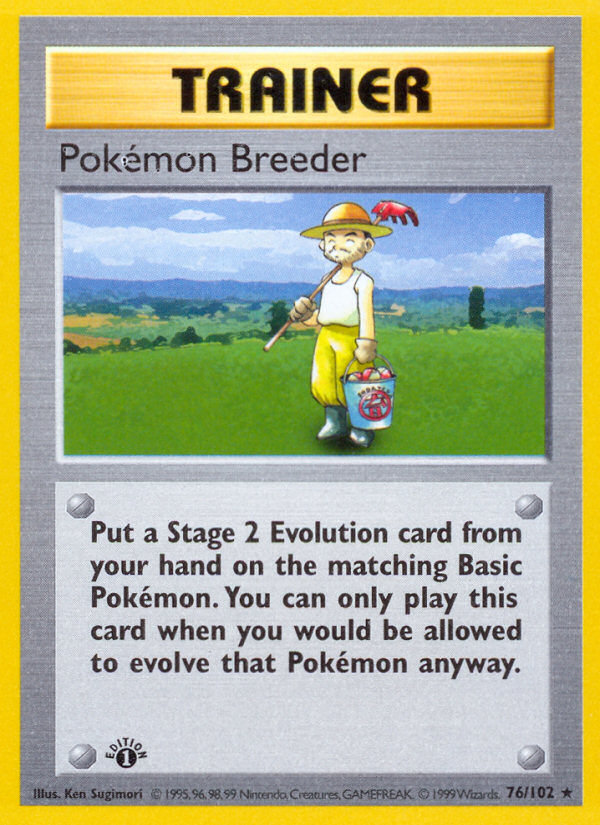
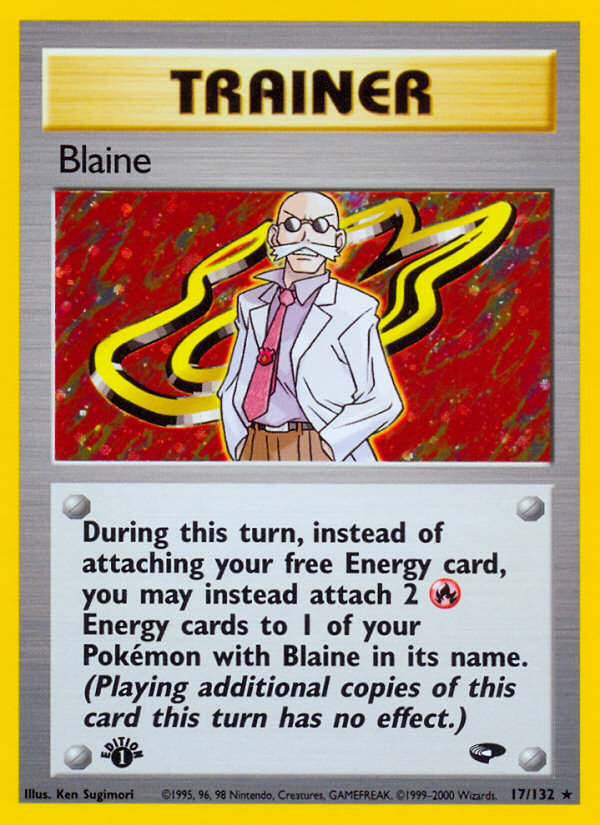
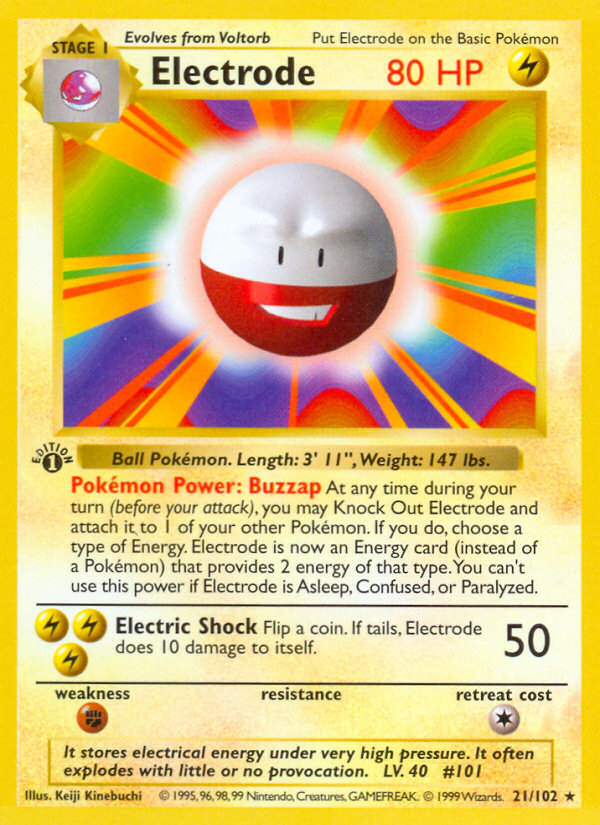
Mr. Mime is the sole reason I would ever consider playing a
Charity. The card can be repeatedly used to attack under Mime’s Pokemon Power
and then can eventually be discarded to something like Item Finder or Computer
Search. You can also attach it to your active to not discard it to Professor
Oak or shuffle it in your deck to your own Lass.
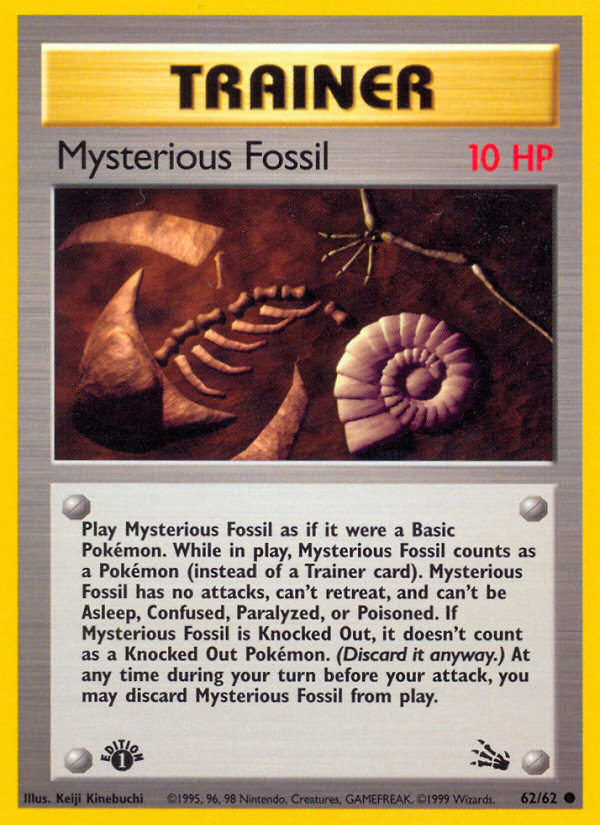
Aerodactyl is the primary reason to include a Mysterious
Fossil, but I could also see it being useful in a stall game to force an
opponent to Gust or waste an attack.
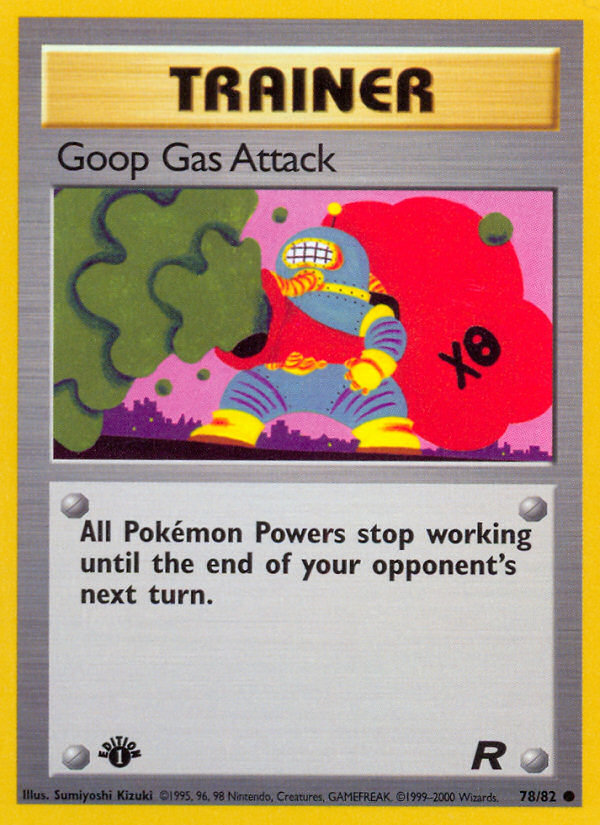
Good Gas Attack can temporarily answer Mime and Aero along
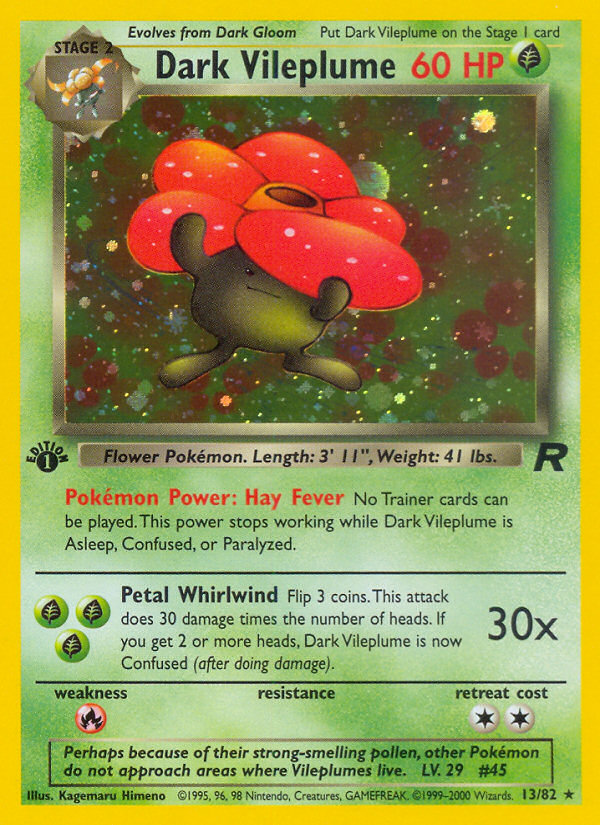
with many other Pokemon Powers, but remember that Dark Vileplume prevents
Trainers from being played in the first place and all Pokemon Powers are turned
off (so it doesn’t really answer Muk).
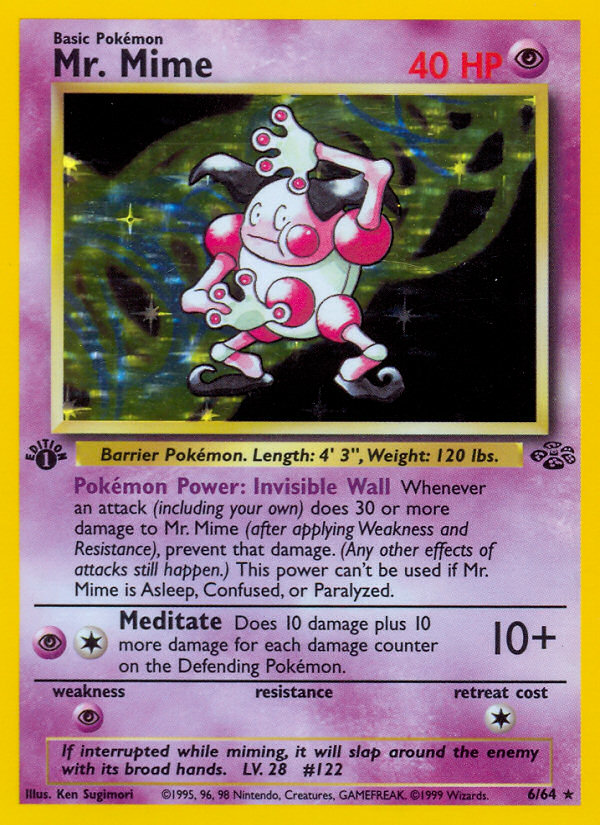
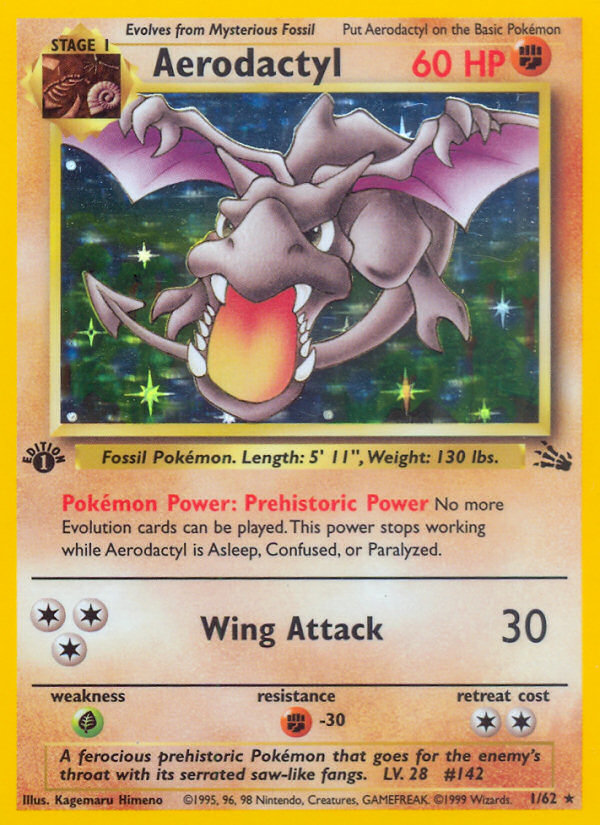
Pokemon Breeder and Blaine may have some limited application
to accelerate a deck’s plan, but until now, the Trainer spot seems more
valuable to me as something else in almost every deck I’ve built.
Special Energy: Secret Trainers #16 and Beyond!
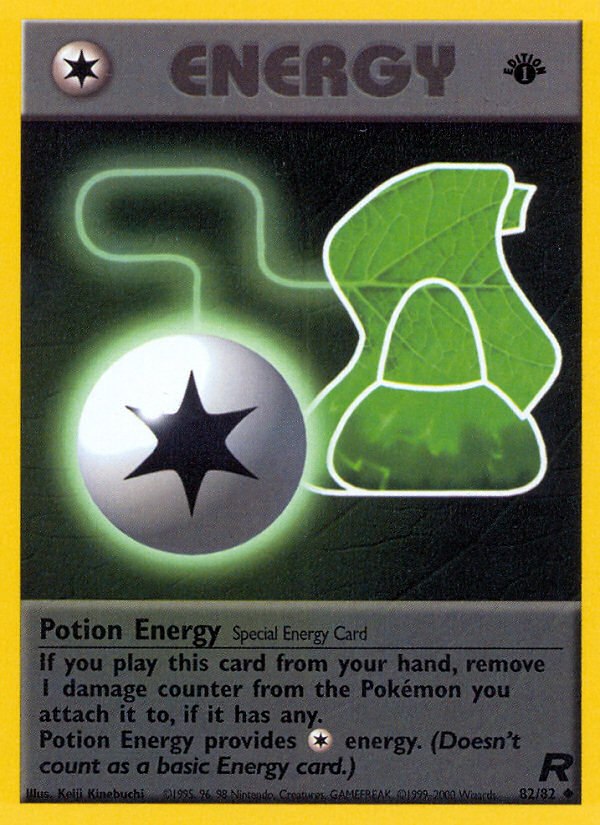
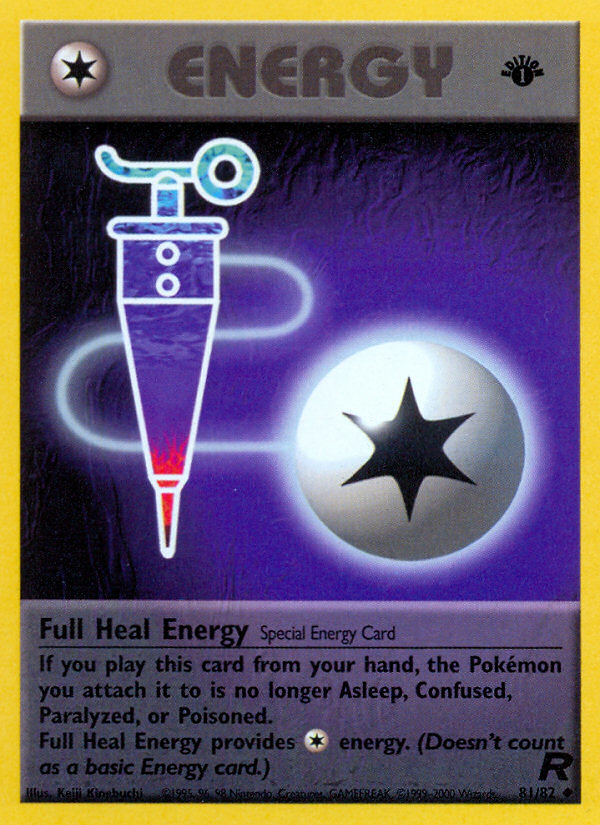
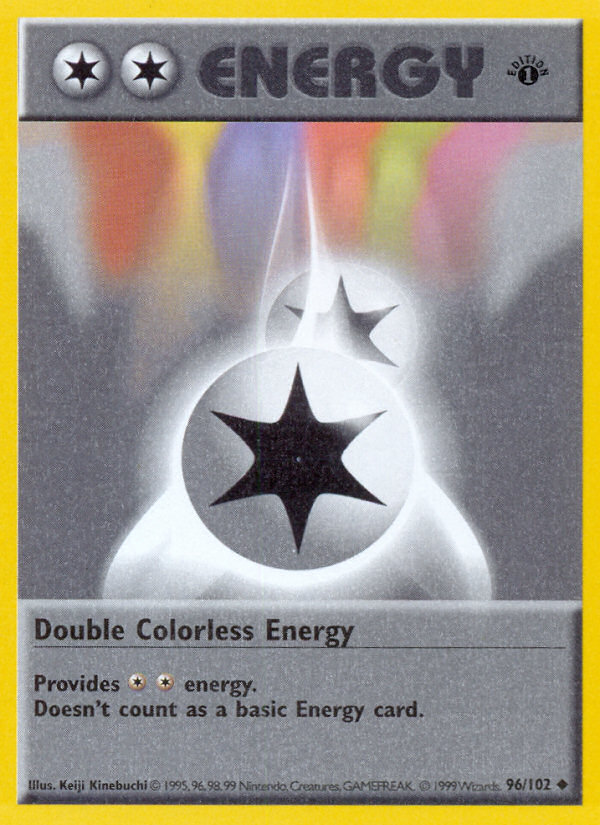
Potion Energy, Full Heal Energy and Double Colorless Energy
all offer some Trainer-like effect, with Double Colorless (can pay for 2
retreat in a single play and functions as energy acceleration for some attacks)
being the strongest in a vacuum. I highly recommend considering at least one
Double Colorless Energy and one Full Heal Energy in decks with Computer Search
that may appear to not use colorless energy well.
That’s everything for now; thanks for reading! This will be
updated with additional cards and new ideas as needed!


Comments
Post a Comment